Yama Glass 5-Cup Stovetop Siphon Coffee Maker Review

Vacuum brewing, the most theatrical way to make a clean cup of coffee

The Yama Glass 5-Cup Stovetop Siphon is a vacuum coffee brewer in hand-blown borosilicate glass, holding 590ml across five cups, using a reusable cloth filter on a stovetop.

Spec-led review. Built from the manufacturer’s published specification and price rather than hands-on testing. Figures we could not find stated are left blank instead of estimated. Updated when we get one in.

Where you can buy itUS confirmed

Confirmed on Amazon US, which is where this link points. Availability in other Amazon stores has not been checked, and a regional store may substitute a different product.

Our rating
6.5/ 10
Decent
5 of 5 scored, out of 74.2 points · 25.8 not judgeable from specs

How we rate immersion brewers — what each criterion measures, and what we cannot.

Brew Quality & Filtration8.5 / 10
worth 26 of 74.2 · well evidenced
how we got 8.5

what this measures, and what we cannot

What it was scored onScored from specs that predict this rather than measure it. 100% published.
FilterCloth, reusable2.0 / 3.5
Reusable filter offeredYes, the cloth filter is the standard filter2.0 / 2.0
Brew volume590, published as 15oz across 5 cups3.0 / 3.0
Body materialHand-blown heat-resistant borosilicate glass1.5 / 1.5

The rows that apply here are worth 10.0 between them and this one took 8.5, which is 8.5 out of 10. That 0–10 result is what the criterion's 26 of 74.2 points are then scaled by.

Build Quality & Seal (replacement parts sold not published)7.1 / 10
worth 15.4 of 74.2 · 6.6 unpublished · partly evidenced
how we got 7.1

what this measures, and what we cannot

What it was scored onScored from the specs the maker publishes. 57% published.
MaterialHand-blown heat-resistant borosilicate glass3.5 / 4.0
Replacement parts soldnot applicable
Warrantynot in our data1.5 / 3.0

The rows that apply here are worth 7.0 between them and this one took 5.0, which is 7.1 out of 10. That 0–10 result is what the criterion's 15.4 of 74.2 points are then scaled by.

The 3.0 points we could not find a figure for are scored at the middle of the scale rather than as a zero, which awards 1.5 of them: the greyed figures above. We will not guess a specification and we will not mark the product down for our own missing research.

Ease of Use & Cleaning (dishwasher safe only)5.0 / 10
worth 8 of 74.2 · 12 unpublished · thinly evidenced
how we got 5.0

what this measures, and what we cannot

What it was scored onScored from the specs the maker publishes. 0% published.
Dishwasher safenot in our data2.0 / 4.0
Parts to washnot applicable
Brew timenot applicable

The rows that apply here are worth 4.0 between them and this one took 2.0, which is 5.0 out of 10. That 0–10 result is what the criterion's 8 of 74.2 points are then scaled by.

The 4.0 points we could not find a figure for are scored at the middle of the scale rather than as a zero, which awards 2.0 of them: the greyed figures above. We will not guess a specification and we will not mark the product down for our own missing research.

Portability (weight not published)4.2 / 10
worth 10.8 of 74.2 · 7.2 unpublished · thinly evidenced
how we got 4.2

what this measures, and what we cannot

What it was scored onScored from the specs the maker publishes. 33% published.
Travel case includednot in our data2.0 / 4.0
Weightnot applicable
Drop resistanceHand-blown heat-resistant borosilicate glass0.5 / 2.0

The rows that apply here are worth 6.0 between them and this one took 2.5, which is 4.2 out of 10. That 0–10 result is what the criterion's 10.8 of 74.2 points are then scaled by.

The 4.0 points we could not find a figure for are scored at the middle of the scale rather than as a zero, which awards 2.0 of them: the greyed figures above. We will not guess a specification and we will not mark the product down for our own missing research.

Value for Money (no price published)5.0 / 10
worth 14 of 74.2 · not evidenced
how we got 5.0
The verdict

The Yama Glass 5-Cup Stovetop Siphon is a vacuum coffee brewer in hand-blown borosilicate glass, holding 590ml across five cups, using a reusable cloth filter on a stovetop.

Pros

  • A stovetop siphon, so it needs no burner stand or halogen lamp of its own
  • Hand-blown borosilicate that the maker states is non-reactive, so nothing metallic reaches the cup
  • A reusable cloth filter and a measuring spoon in the box

Cons

  • Glass over a hob is the most fragile arrangement here
  • Cloth filters need rinsing and storing wet or they taint
  • 590ml, and no price or warranty term published

What is the Yama stovetop siphon?

A brewer that uses physics rather than gravity, and it is the only one of its kind here.

Yama publishes hand-blown heat-resistant borosilicate glass construction, a 15oz capacity across five cups, non-reactive glass the maker says leaves no metallic taste, a reusable cloth filter and a measuring spoon in the box. It sits 7 inches across.

How vacuum brewing actually works

Steam pushes the water up, and a vacuum pulls the coffee back down. Nothing else brews this way.

Water goes in the lower globe and coffee in the upper chamber. Heat the lower globe and the expanding vapour forces the water upward through a tube into the grounds, where it sits and steeps as a full immersion, exactly like a French press, at a temperature the flame holds steady.

Then you take it off the heat. The lower globe cools, the vapour condenses, and the pressure inside drops below atmospheric. That partial vacuum pulls the brewed coffee back down through the cloth filter, fast and evenly, leaving the grounds above.

Two things follow from that. The steep happens at a genuinely stable temperature, which no pour over manages. And the draw-down is powered by pressure difference rather than gravity, so it pulls through a cloth filter far finer than any metal mesh could drain by itself. That combination is why siphon coffee is exceptionally clean and why cafes that own one make a performance of it.

The cloth filter is the part that decides the cup

Finer than metal, and unlike paper it is not throwing the oils away.

A metal filter passes oils and fines, giving body and sediment. Paper traps both, giving clarity and a thinner mouthfeel. Cloth sits between: it holds back the fine particles that make sludge while letting more of the aromatic oils through than paper does.

The cost is maintenance, and it is real. A cloth filter must be rinsed thoroughly, kept wet in the fridge between uses or dried completely, and replaced when it starts to smell. Coffee oils go rancid in fabric. A neglected cloth filter is the most common reason somebody decides siphon coffee tastes stale, and it is not the brewer's fault.

Yama siphon vs the AeroPress

Both are immersion. One is a five minute ritual and the other is thirty seconds.

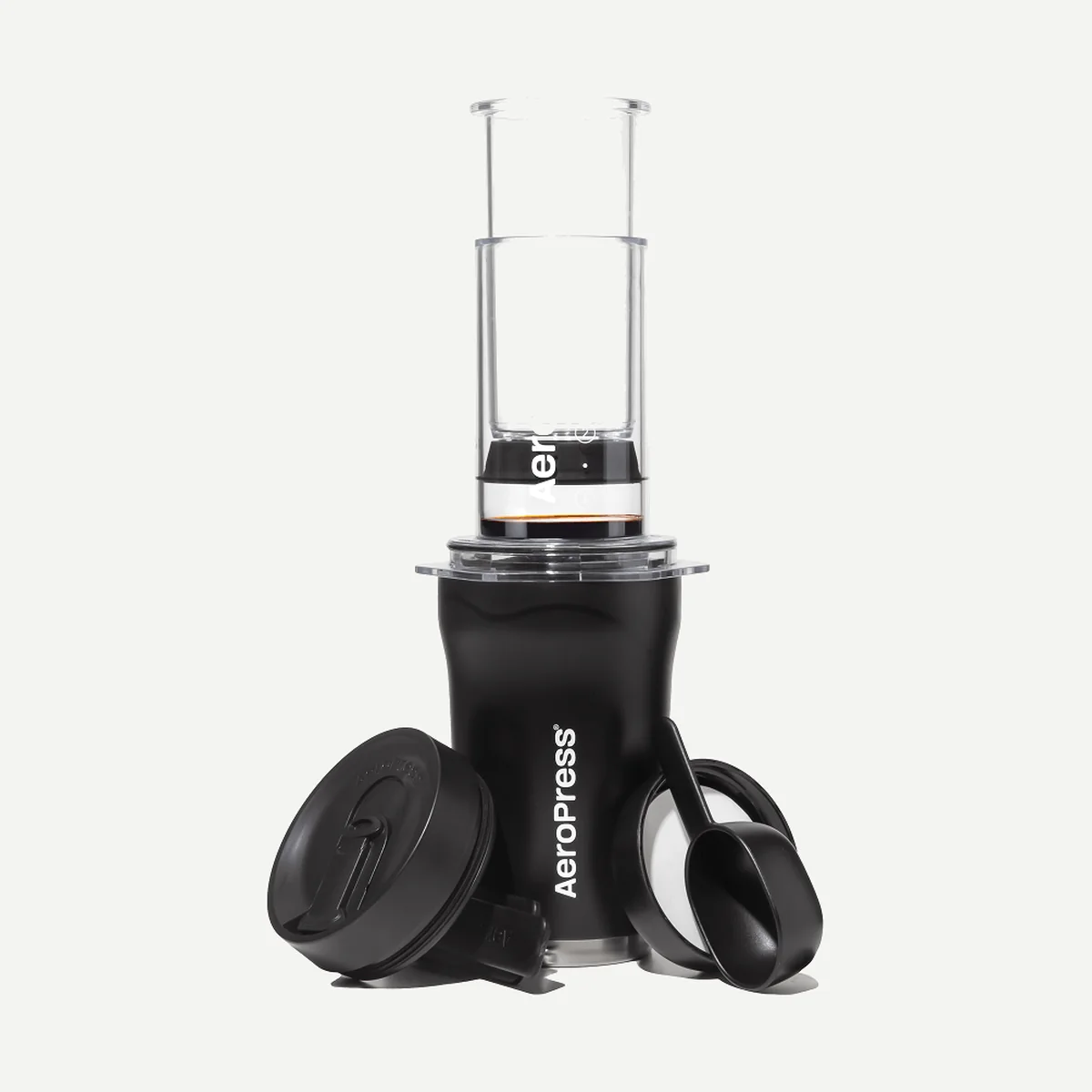
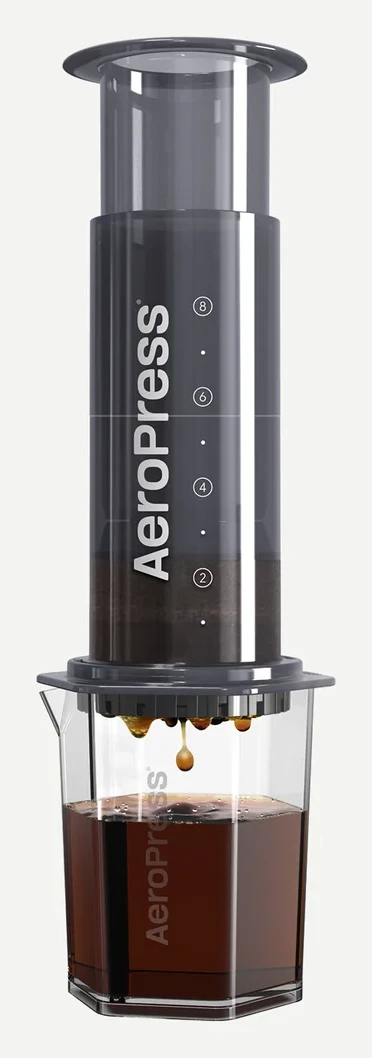
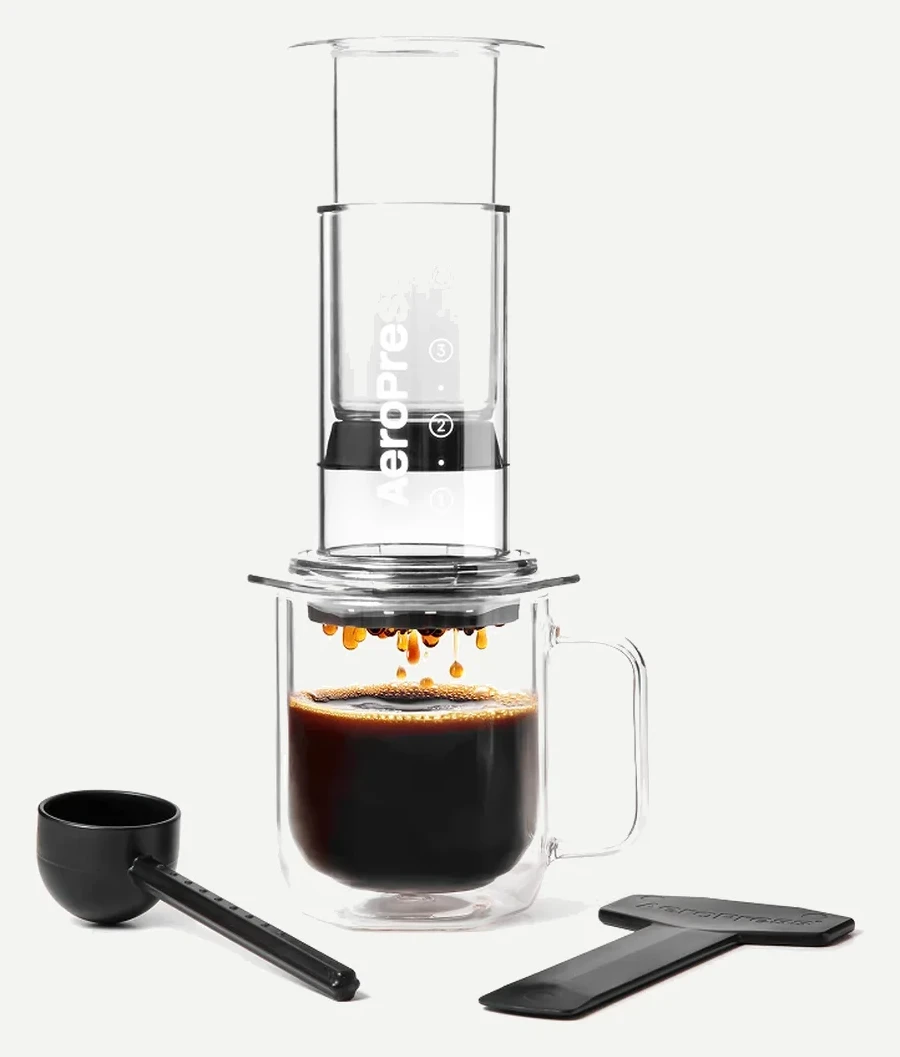
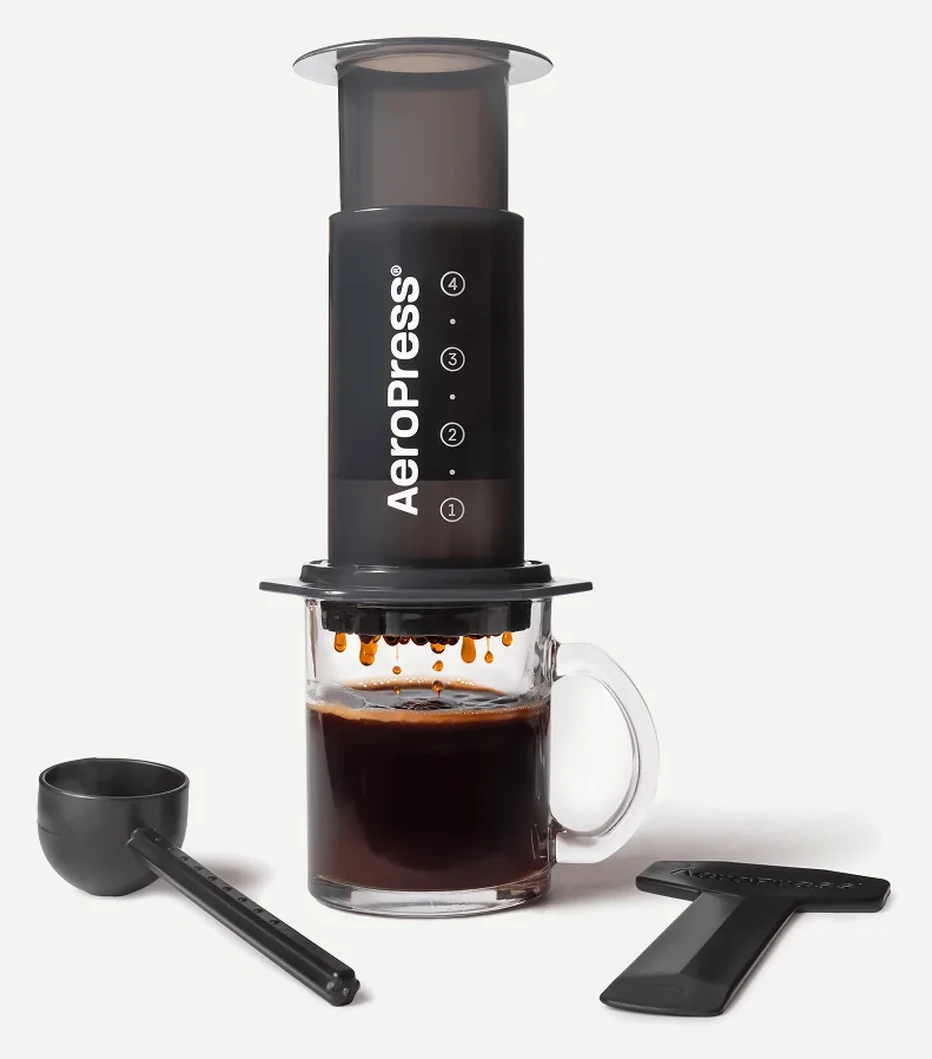
An AeroPress steeps then pushes through paper under hand pressure, in a plastic tube you can drop. It is faster, tougher and cheaper.

The siphon holds temperature better through the steep and filters more finely, and it makes a visibly cleaner cup. It is also glass on a hob, in several pieces, and it takes real attention. If you want good coffee quickly, the AeroPress. If the making is part of the point, this.

Is the Yama siphon worth it?

Worth it as a weekend brewer, and a poor choice as a daily one.

It makes the cleanest coffee of any manual brewer on this site and it is genuinely enjoyable to use. Yama's glass is hand-blown borosilicate and the brand has made these for decades.

Against that: it is glass over a flame in multiple parts, it needs a hob or a burner, and the cloth filter needs looking after. Yama publishes no weight, no warranty term, no parts count and no replacement parts availability on this listing, which matters when the fragile part is the whole brewer.

Who should buy it (and who should not)

Buy it if brewing coffee is something you want to spend ten minutes on.

It suits somebody who already owns a daily brewer and wants a weekend one, anybody chasing the cleanest possible cup, and people who like watching a thing work.

Do not buy it as a first brewer. Do not buy it if it will be handled by a household in a hurry. And do not buy it without accepting that the cloth filter is a chore.

Frequently Asked Questions

How does a siphon coffee maker work?

Steam pressure pushes water up into the grounds to steep, then cooling creates a vacuum that pulls the brewed coffee back down through the filter.

Does siphon coffee taste different?

Cleaner than a French press and fuller than paper pour over, because the cloth filter holds back fines while passing more of the oils.

Do you need a special burner?

This is the stovetop model, so it goes on a hob. Yama also makes versions with their own burner.

How do you look after the cloth filter?

Rinse it thoroughly and either keep it wet in the fridge or dry it completely. Coffee oils go rancid in fabric.

How much does it make?

590ml, published as 15oz across five small cups.
Yama Glass 5-Cup Stovetop Siphon Coffee Maker appears in

Yama Glass 5-Cup Stovetop Siphon Coffee Maker is featured in

More on immersion brewers

Background reading that puts this review in context.

Alternatives to Yama Glass 5-Cup Stovetop Siphon Coffee Maker

See all Yama Glass 5-Cup Stovetop Siphon Coffee Maker alternatives →

Other Immersion Brewers options we've reviewed.