What is Jot Dark Ultra Coffee?
The bolder of Jot's two core concentrates: a blend Jot describes as organic Colombian and Sumatran beans, at $26.60 for about fourteen cups.
Everything mechanical about it is identical to Jot Original: a 20x liquid concentrate, a tablespoon a cup, hot or cold, milk or water. What changes is the blend.
Jot's own page calls it a bolder blend that "leads with flavor": bold, complex and smooth. That is as far as the maker goes. Jot publishes no tasting notes for Dark, so anything more specific about how it tastes would be our guess rather than their claim.
What is in the bottle
Colombian and Sumatran coffee, which Jot's own blog calls organic. The product page itself names no origin and no certification.
That gap is worth knowing about before you buy on it. Jot's blog describes Dark as "its blend of organic Colombian and Sumatran beans", and the blend was launched in 2021 as fair trade, but neither word appears on the page you buy from today, and no certifier is named anywhere on jot.co. If a certified organic or fair trade label is the reason you are choosing it, that is not something Jot currently shows.
Beyond the two origins Jot publish very little: no roast date, no processing method, no producer. That is normal for the instant shelf and thin against a bag of whole beans, where this site expects a farm to be named.
How you actually use it
One tablespoon in a cup, then water or milk, hot or cold. No kettle timing, no grinder, no filter, no waiting.
That is the whole mechanism, and it is why Jot competes with instant rather than with beans. A 200ml bottle holds about fourteen tablespoons, so fourteen cups, and the ratio is yours to move: more for a flat white, less for a long black, and the same tablespoon over ice with milk gives an iced latte without a cold brew steeping overnight. Jot's own serving ideas are exactly those: iced coffee, a latte and an affogato.
Because it is a liquid it goes into things a powder does not. It stirs into cold milk without clumping, which instant famously does not, and that single property is most of the case for it. Iced coffee at home otherwise means brewing hot and waiting, or owning a cold brew bottle and planning twelve hours ahead.
It is refrigerated once opened, which is the trade-off against a jar of instant that lives in a cupboard for a year. A bottle is a fortnight for one person at a cup a day, so shelf life is a real question for a household that drinks less than that.
Is Jot Dark worth the price?
$26.60 a bottle is $1.90 a cup. On Jot's monthly subscription, $19.95, it is $1.43.
That puts it under specialty instant and well over supermarket instant. The subscription is where the price makes most sense: a quarter off, for a bottle a household at a cup a day finishes in about a fortnight anyway.
Jot vs Intelligentsia Instant
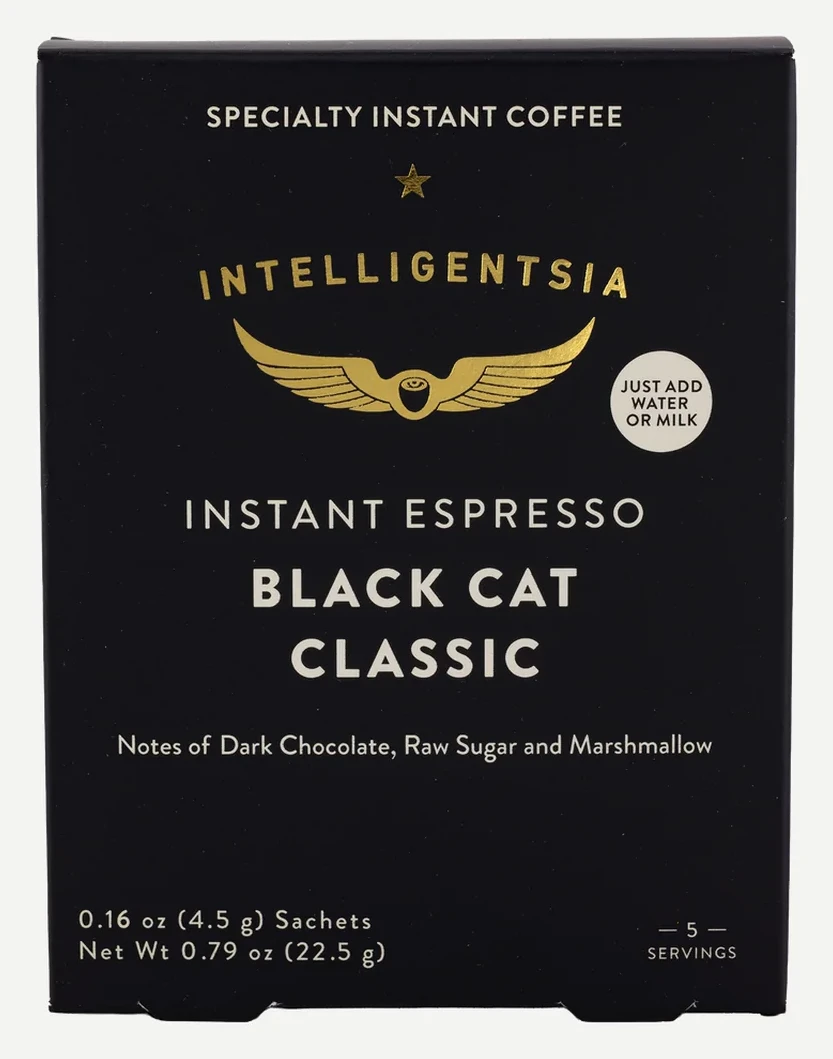
The surprise is the price. Jot is $1.90 a cup and Intelligentsia's Instant House Blend is $2.60, so the specialty concentrate undercuts the specialty powder by more than a quarter.
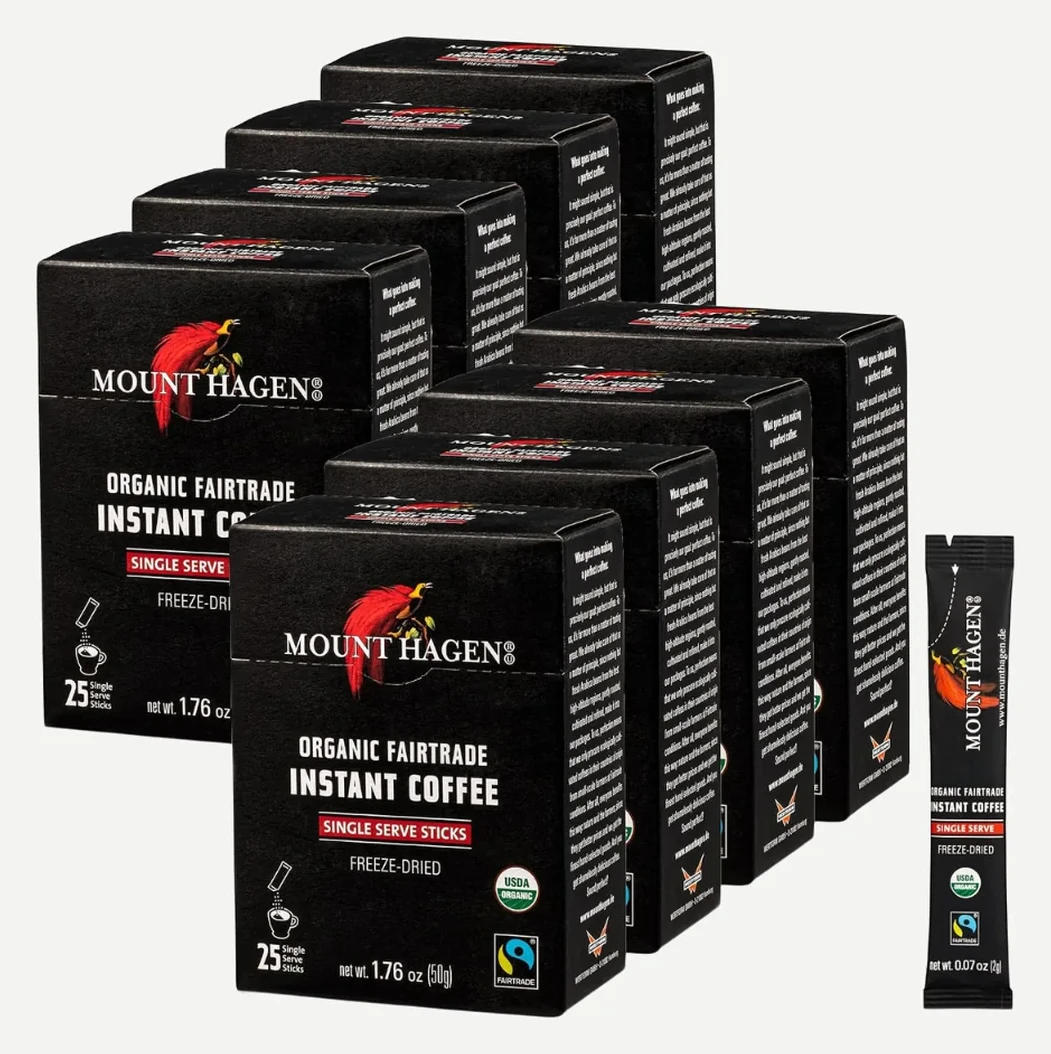
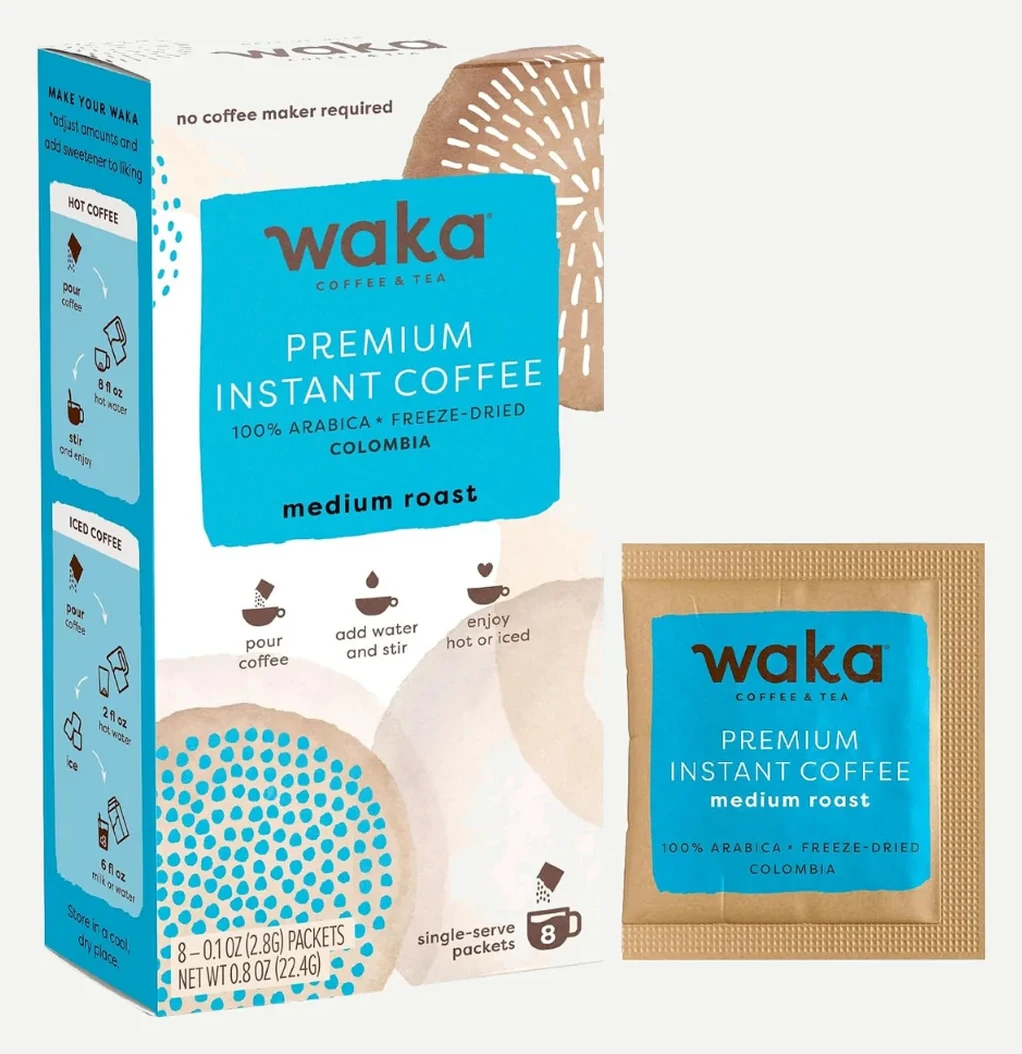
They aim at the same person and solve the problem differently. Intelligentsia freeze-dry a named house blend into single-serve sachets, which travel anywhere, keep for a year in a drawer and need nothing but hot water. Jot brews and concentrates, which works cold as well as hot, and asks for fridge space.
So the choice is portability against cold drinks. A sachet goes in a rucksack and a glass bottle does not; a tablespoon of Jot makes an iced latte in ten seconds and a sachet of freeze-dried does not.
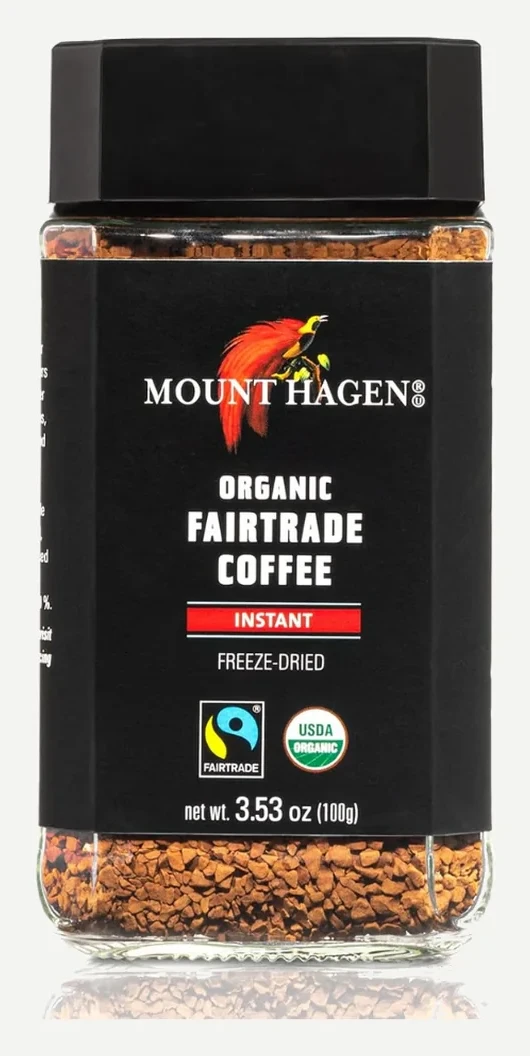
Neither is competing with the bottom of the shelf. Nescafe Clasico is 150 servings a jar and lands at a few cents a cup. If cost per cup is the whole question, that is the answer and Jot is not.
Who should buy it (and who should not)
The one to pick if Original tastes too mild to you and you want coffee without equipment.
Buy it if
- You already use Jot Original and want the bolder of the two
- You make iced coffee or lattes at home and want them in seconds
- You drink a cup a day and can take the subscription
Skip it if
- You drink light or medium roasts, where Original is the better fit
- You need a certified organic or fair trade label on the product itself, which Jot does not show
- You want the origin detail a specialty bag gives you
- You need something that lives in a cupboard rather than a fridge
Frequently Asked Questions
What is the difference between Jot Original and Jot Dark?
The blend. Dark is the bolder of the two, from Colombian and Sumatran beans that Jot's blog describes as organic. Both are 20x concentrate at $26.60 for about fourteen cups, so the choice is taste rather than price.
Is Jot Dark organic?
Jot's own blog describes its beans as organic Colombian and Sumatran. The product page does not mention organic or name a certifier, so if you need a certified label, it is not shown there.
Is Jot Dark fair trade?
It was launched as fair trade in 2021, but Jot's current pages do not say so.
Is Jot Dark stronger in caffeine?
Dark refers to the roast, not the caffeine. A darker roast tastes bolder but is not reliably higher in caffeine, and with a concentrate the tablespoon you use sets the strength of the cup either way.
Does Jot Dark work in milk drinks?
Yes. Jot's own serving ideas for it are a latte and an iced coffee, and as a liquid it stirs into cold milk without clumping.
How many cups are in a bottle?
About fourteen, from a 200ml bottle at one tablespoon a cup, the same as Original.
How much does Jot Dark cost?
$26.60 a bottle, or $19.95 on Jot's monthly subscription: $1.90 or $1.43 a cup.