What is Nescafe Clasico Dark Roast?
The bold end of the supermarket shelf, and by some distance the cheapest cup here.
Nescafe publishes a dark roast described as bolder and richer, a 10.5oz jar giving up to 150 cups, a dose of one teaspoon to six fluid ounces of hot water, and beans described as high quality and sourced from around the world.
150 cups, and what that number means
Work it out and this is coffee at a few pence a cup.
A 10.5oz jar at 150 cups is about 2g of soluble per cup. Set against a bag of specialty beans at 60 to 70 cups a kilo, the difference in cost per cup is not close, and it is worth being straightforward about that: for an enormous number of people, this is what makes drinking coffee affordable at all.
The trade is what 2g of soluble can carry. All the aromatic compounds that survived brewing, drying and storage are in there, and that is a smaller set than what comes off fresh grounds. No amount of dosing recovers them.
Why dark roast dominates instant
Roast character survives processing and origin character does not.
A dark roast tastes of roasting: chocolate, toast, a touch of smoke. Those compounds are formed late and are relatively stable, so they come through drying and rehydration largely intact.
The delicate acidity and fruit that make a light roast interesting are volatile, and most of them do not survive. That is why almost every instant sold at scale is roasted dark, and why the Starbucks blonde instant is the unusual one.
Dark roasting is not a shortcut here. It is the format choosing the roast that works in it.
What is not published
No process, no origin, no certification.
Nescafe does not state whether this is freeze-dried or spray-dried, and Clasico is widely understood to be spray-dried. As with the Taster's Choice, we record what is published rather than what is understood, so nothing is recorded and nothing is credited.
Origin is "from around the world", which is a phrase meaning a commodity blend that changes with the market. That is not a criticism at this price; it is how coffee at this price is bought.
Is it worth it?
On cost per cup nothing else here comes close, and that is the whole argument.
If the question is how to have coffee every day for very little money, this answers it better than anything on this site. It is consistent, it is everywhere, and it does not go stale in a way you would notice.
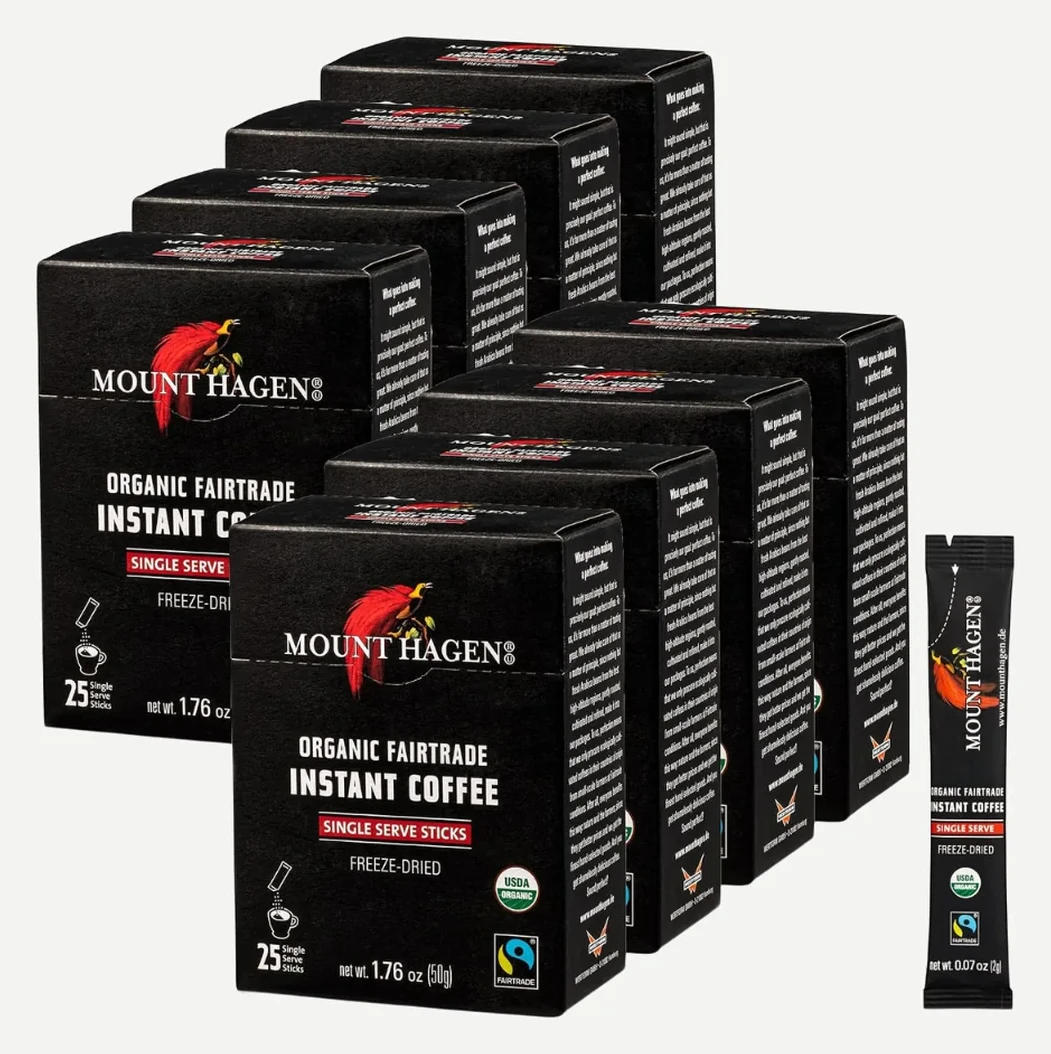
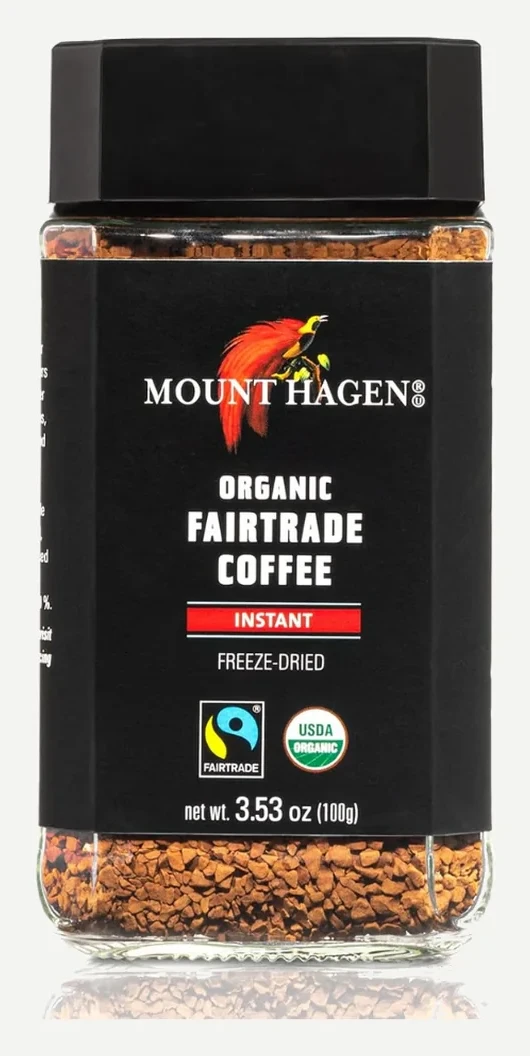
If the question is how good coffee can be, this is the wrong shelf, and a jar of freeze-dried organic instant coffee costs a little more and tastes meaningfully better.
Who should buy it (and who should not)
Buy it if volume and price are the constraints.
It suits a workplace, a large household, anybody who drinks coffee with milk, and cooking, where a dark instant dissolves into a sauce or a cake without fuss.
Do not buy it if you are trying instant for the first time to see whether it can be good. It cannot answer that question, and the freeze-dried jars can.
Frequently Asked Questions
How many cups does a jar make?
Up to 150 from the 10.5oz jar, at one teaspoon per six fluid ounces.
Is Clasico freeze-dried?
Not stated on this listing. Clasico is widely understood to be spray-dried, which is the cheaper process and the one that costs the most aroma.
Why is instant coffee usually dark roast?
Roast-derived flavours are stable and survive drying. The delicate acidity of a light roast largely does not, so dark roasting is what works in this format.
Where does the coffee come from?
Nescafe says only that the beans are sourced from around the world, which means a commodity blend rather than a named origin.