Coffee Bags vs Instant: Not the Same Thing at All
One is real ground coffee you brew like tea. The other is coffee that was already brewed, then dried. The difference decides everything about how the cup tastes.
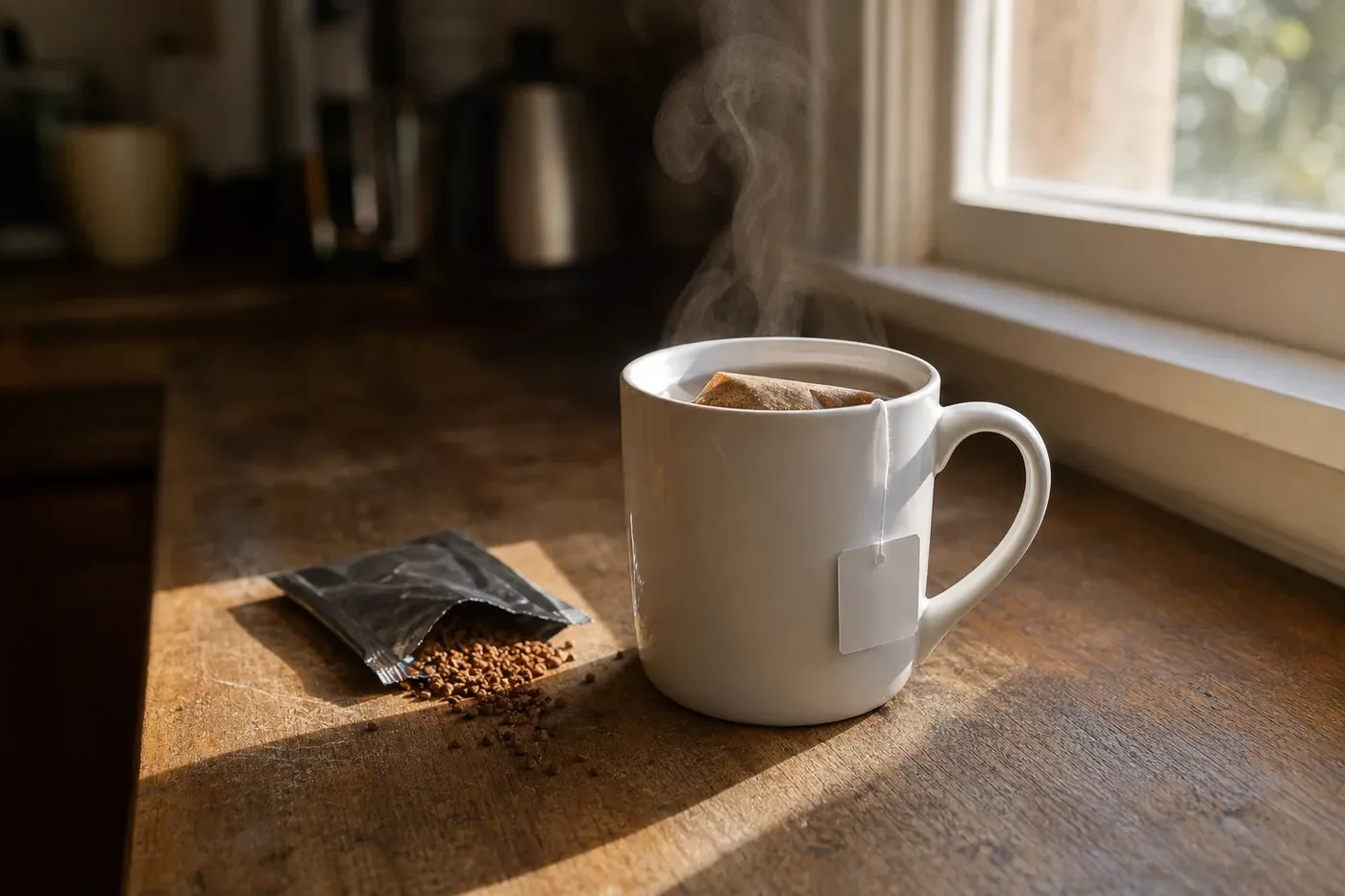
A coffee bag and a sachet of instant look similar on a shelf and are completely different products. One contains ground coffee and brews in your cup. The other contains coffee that somebody else already brewed, dried into crystals, and you are rehydrating it.
That distinction is the whole article, and it explains the price gap, the taste gap and why people who dislike instant often like coffee bags.
What are coffee bags?
Ground coffee in a filter pouch, sealed and usually individually wrapped. You put it in a mug, pour hot water on it, and let it steep for three to five minutes, exactly like tea. Then you take the bag out.
Chemically it is identical to any other brewed coffee. Water is extracting soluble compounds from ground beans in real time, in your cup. The only thing that has changed is the container.
The Taylors of Harrogate Rich Italian coffee bags are exactly that: real ground coffee in a bag, individually wrapped.
What is instant coffee?
Instant coffee was brewed in a factory at industrial scale, then had the water removed, either by spraying it into hot air or by freeze-drying it. What you buy is the solid that was left. Adding water reverses the drying but does not re-brew anything.
Freeze-drying preserves more aroma than spray-drying, which is why specialty instant is almost always freeze-dried. The Intelligentsia Black Cat instant espresso is freeze-dried, and that is the reason.
Coffee bags vs instant coffee: why the taste differs
Aroma compounds are volatile, which is another way of saying they leave. Every stage of making instant, the industrial brew, the heat, the drying, drives some of them off. The best freeze-dried instant retains a great deal and is genuinely enjoyable. It still cannot contain compounds that evaporated in a factory two years ago.
A coffee bag has lost none of that, because nothing has been extracted yet when you buy it. What it loses instead is freshness: the coffee was ground at packing, and ground coffee stales far faster than beans. Nitrogen flushing is the fix, and the Mondo single-serve coffee bags use it, which is why that one is the best-documented bag on the site.
Coffee bags vs instant coffee: cost per cup
Coffee bags run roughly $1.65 to $2.00 a serving on the pages here. Instant is usually far cheaper per cup, though specialty freeze-dried instant reaches $2.60 a sachet, which is more than most coffee bags.
So the price ordering is not simple. Supermarket instant is the cheapest coffee you can make. Specialty instant is among the most expensive per cup on this site. Coffee bags sit in the middle and are dearer than brewing loose coffee, because you are paying for the filter, the individual wrapper and the convenience.
How to brew coffee bags properly
Most people under-brew them, then conclude coffee bags are weak. The bag is doing immersion, the same method as French press brewing, and it needs the same three to five minutes. Thirty seconds of dunking is not a brew.
Water just off the boil, cover the mug if you can, and leave it. Then take the bag out. Leaving it in continues extraction and turns the cup bitter, which is the other half of why people dislike them.
Do not squeeze the bag. Squeezing pushes the fines and the harshest compounds through the filter, which is the same reason you do not press a tea bag against the side of the mug.
Why dose is the whole story for a coffee bag
A coffee bag cannot be adjusted. The grind is fixed, the dose is fixed, and the only variable you control is time and water volume. That makes the amount of coffee inside the bag the single most important number in the product, and the one most makers do not print.
Twelve grams is a full filter dose and will make a proper mug. Mondo publishes 12g and the Mozza Aurora Blend 14.4g. The rest of the category says nothing, which means you are buying an unknown dose and blaming the format when the cup is thin.
The corollary: use less water rather than more. If a bag was cut for a small cup and you fill a large mug, no steeping time will rescue it.
Where instant coffee beats coffee bags
Instant dissolves in cold water, which no coffee bag does. That makes it the only option for iced coffee made in seconds, for stirring into food, and for anywhere hot water is not available.
It also keeps almost indefinitely. A jar of instant opened a year ago is still what it was; a coffee bag opened a year ago is stale ground coffee in a filter. For a drawer at work used twice a month, instant is the more sensible product.
And it is compact in a way bags are not. Our instant coffee reviews cover the range from supermarket jars to specialty freeze-dried sachets, and the good end of that market is far better than its reputation.
Stale ground coffee: the freshness problem both share
Ground coffee stales fast, and both products are ground long before you buy them. Instant handles this by removing the water entirely, which stabilises it. Coffee bags handle it, when they handle it at all, by flushing the pack with nitrogen to displace the oxygen and sealing each bag individually.
Where that is not done, the coffee is exposed and the clock is running. Only one of the five bags on this site records nitrogen flushing, and only some are individually wrapped. It is the first thing to look for and the least advertised.
When coffee bags are the right choice
When you have a kettle and a mug and nothing else. Hotel rooms, offices, camping, a desk drawer. Anywhere a brewer will not fit, the bag brews properly and instant is the only other option.
The Stella Blue Big Cat Blend bags extend that to cold brew: steeped in cold water rather than a cup, which turns overnight cold brew into something you do without equipment.
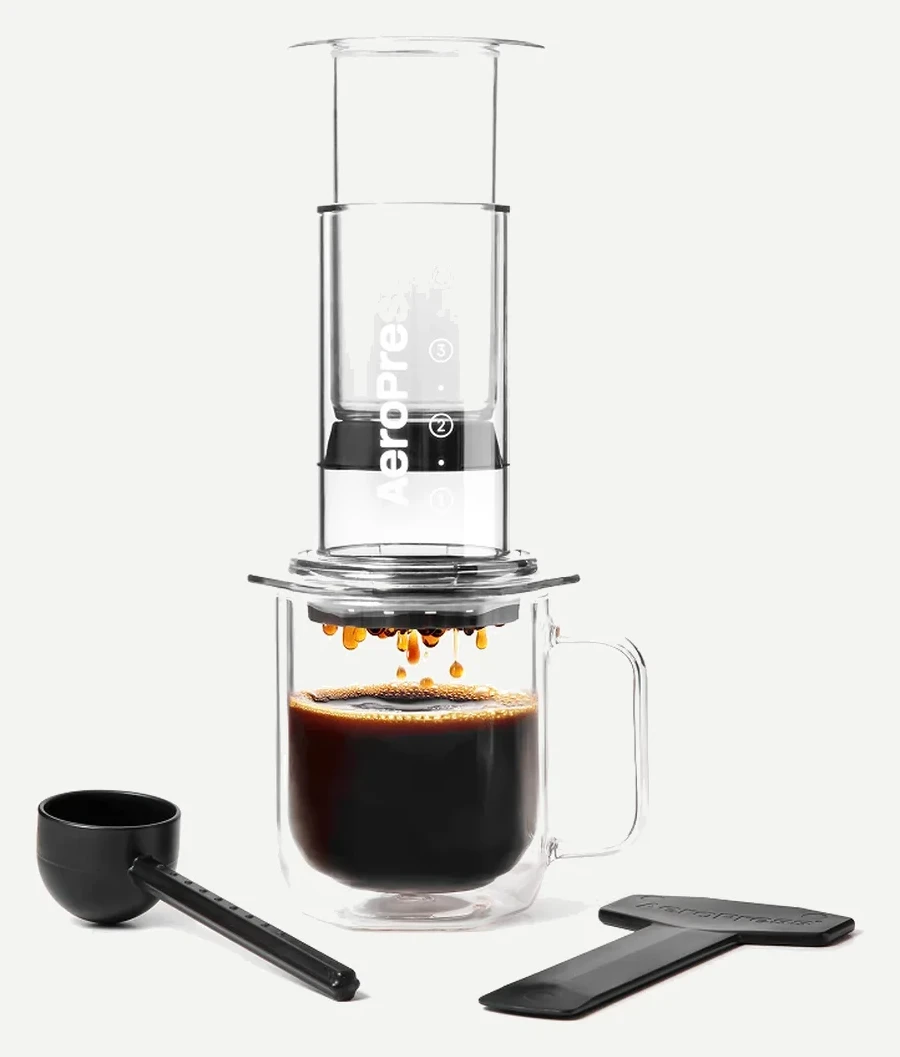
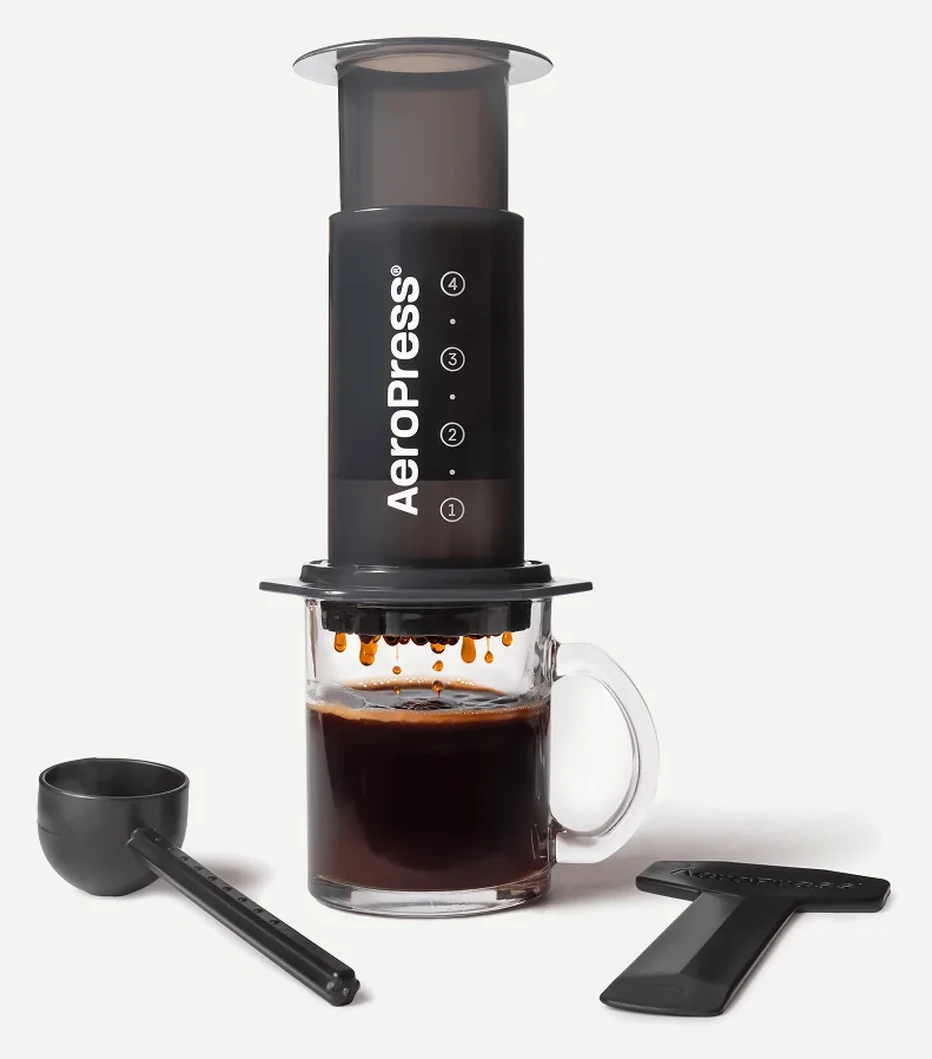
They are the wrong answer when you have a brewer available. An AeroPress or a French press makes better coffee at a lower cost per cup, and the only thing the bag saves is rinsing something out.
How to choose good coffee bags
Look for the dose. Twelve grams is a full filter dose and produces a proper cup; much under that and the bag is fighting a losing battle no matter how good the coffee inside is. Our rating guide scores that figure directly, and notes that only two of five makers here publish it.
Then look for nitrogen flushing and individual wrapping, because ground coffee in a permeable bag in a box goes flat quickly. And look for a stated origin: the Kahawa 1893 single-serve packs name Kenya, Rwanda and Congo, which is more than most bags will tell you.
One warning about that category: it is small, only five products, and too small for our coverage gate to run. Two inputs there are published by almost nobody and are not struck out of the scoring the way they would be in a larger category. The rating guide says so on the page.
Coffee bags vs instant FAQ
Are coffee bags the same as instant coffee?
No. A coffee bag holds real ground coffee and brews in your cup, exactly like tea. Instant coffee was brewed in a factory, dried into crystals, and is rehydrated when you add water. The bag is brewing; the instant is reconstituting something already brewed.
Do coffee bags taste better than instant?
Generally yes, because nothing has been extracted or dried out of them yet. Every stage of making instant drives off volatile aroma compounds. Good freeze-dried instant retains a lot and is genuinely enjoyable, but it cannot contain what evaporated in a factory.
How long do you steep a coffee bag?
Three to five minutes, like tea, then remove it. Leaving it in continues extraction and turns the cup bitter, and squeezing the bag pushes fines and harsh compounds into the coffee.
Are coffee bags worth the money?
They cost about $1.65 to $2.00 a serving, which is more than brewing loose coffee and less than most cafes. They are worth it where you have only a kettle and a mug: hotels, offices, camping. If you have an AeroPress or a press to hand, that makes better coffee for less.
How much coffee is in a coffee bag?
It varies, and most makers do not say. Where it is published it runs around 12 to 14 grams, and 12 is a full filter dose. Much less than that and the cup will be thin regardless of the coffee's quality, which is why we score the figure where a maker states it.
Reviewed on this site
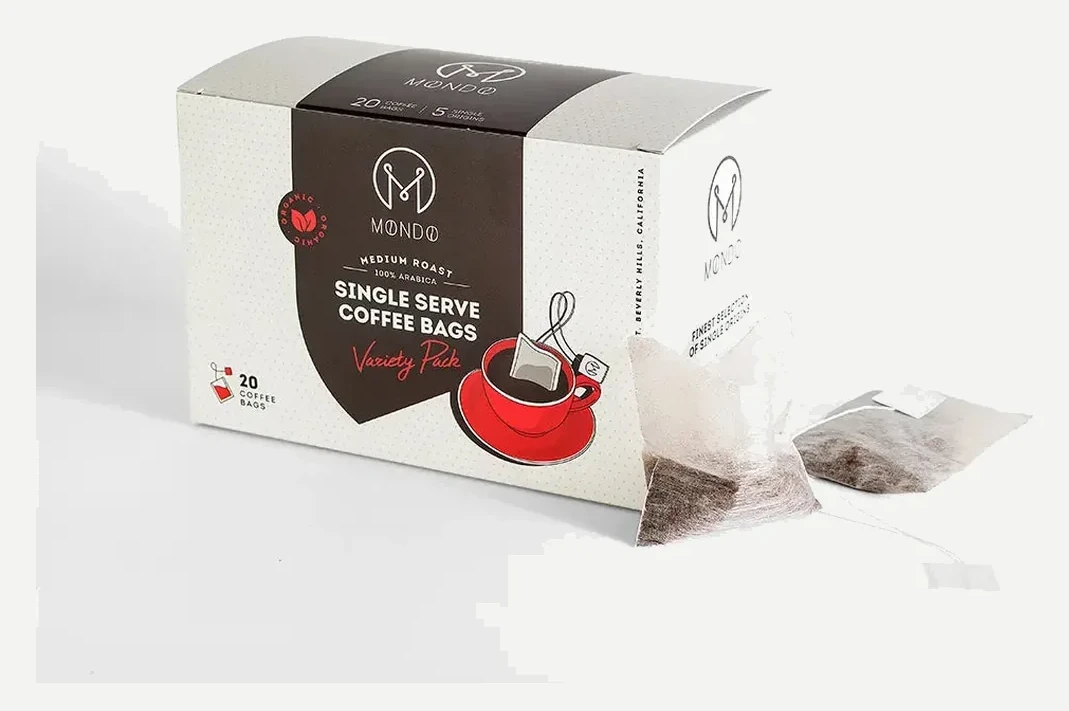 Mondo Single-Serve Coffee Bagssomebody who wants the best-documented coffee bag and will buy twenty at a time
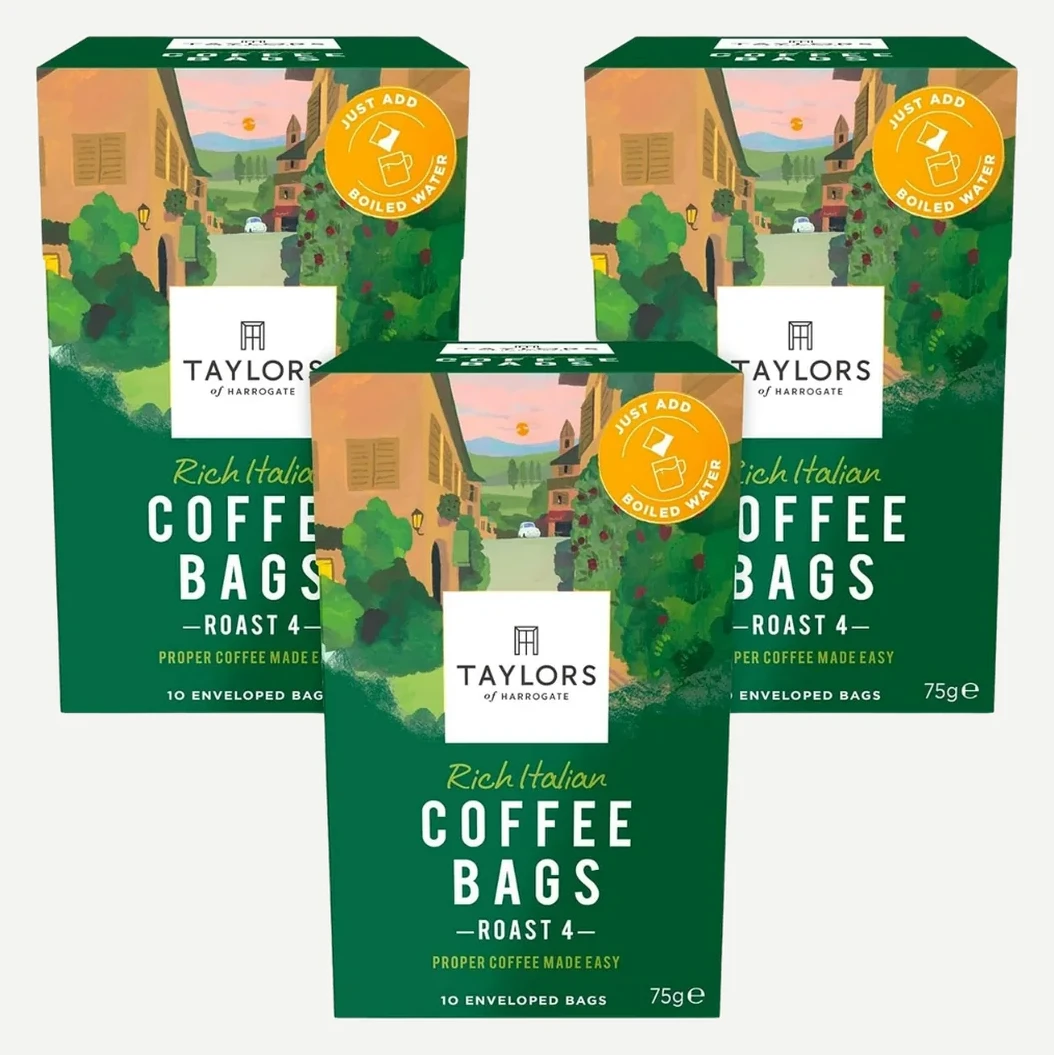 Taylors of Harrogate Rich Italian Coffee Bags 30ctProper ground coffee in a cup with no equipment and nothing to wash up
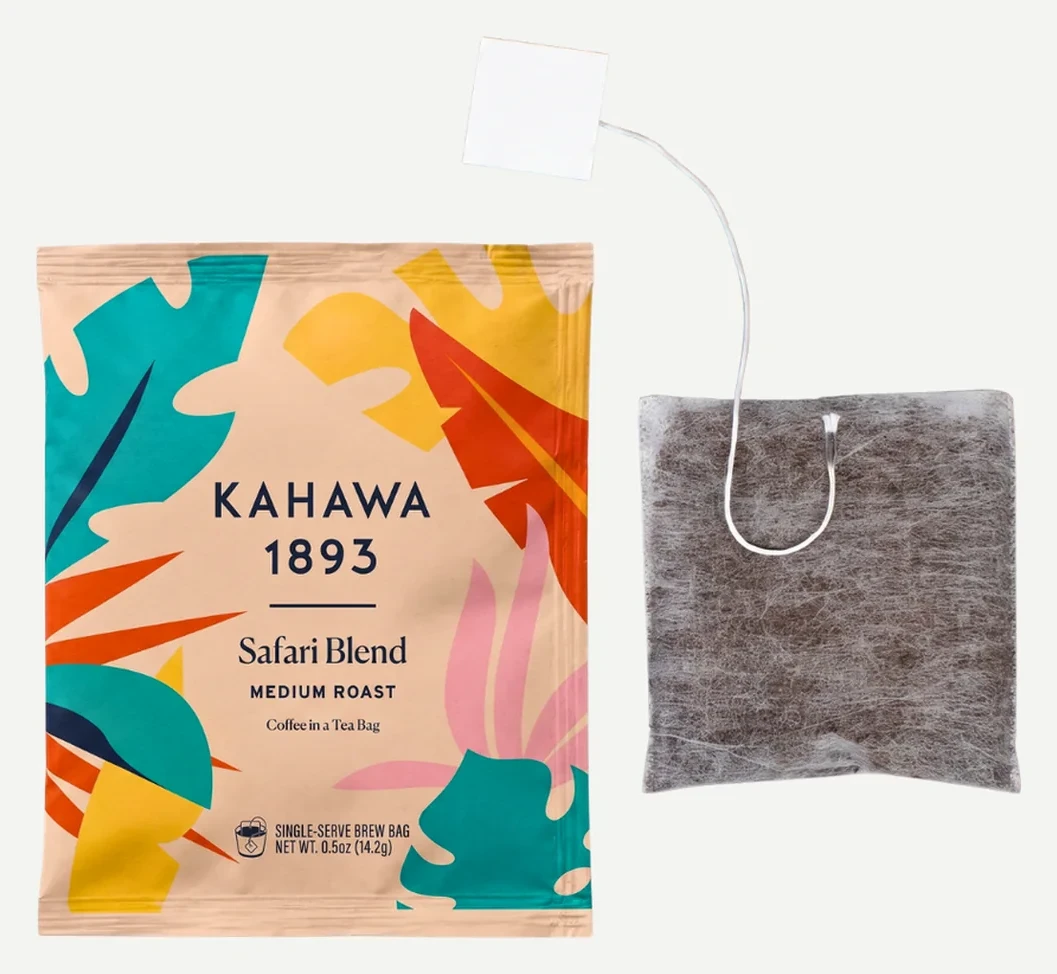 Kahawa 1893 Single-Serve Coffee Packssomebody who wants East African coffee in a bag and cares where the money goes
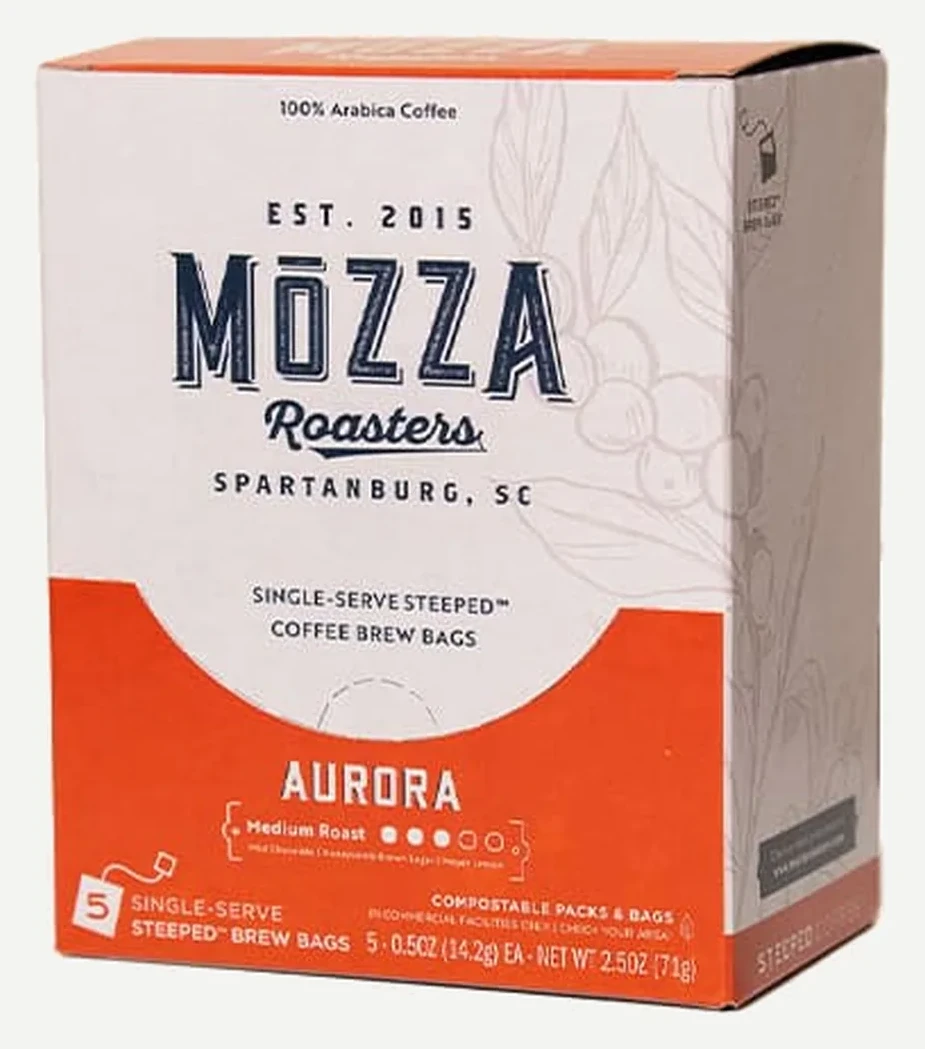 Mozza Aurora Blend Coffee Bagssomebody who wants to try the format without buying twenty
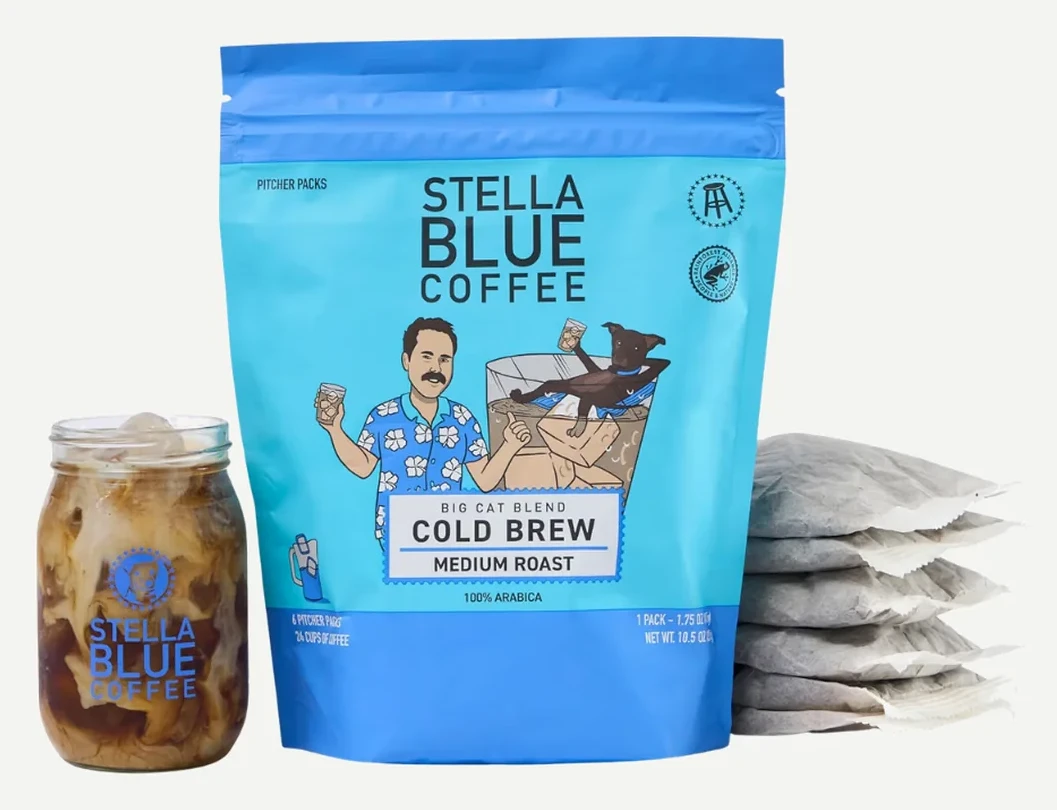 Stella Blue Big Cat Blend Cold Brew Coffee BagsCold brew with no jug, no filter and nothing to clean afterwards