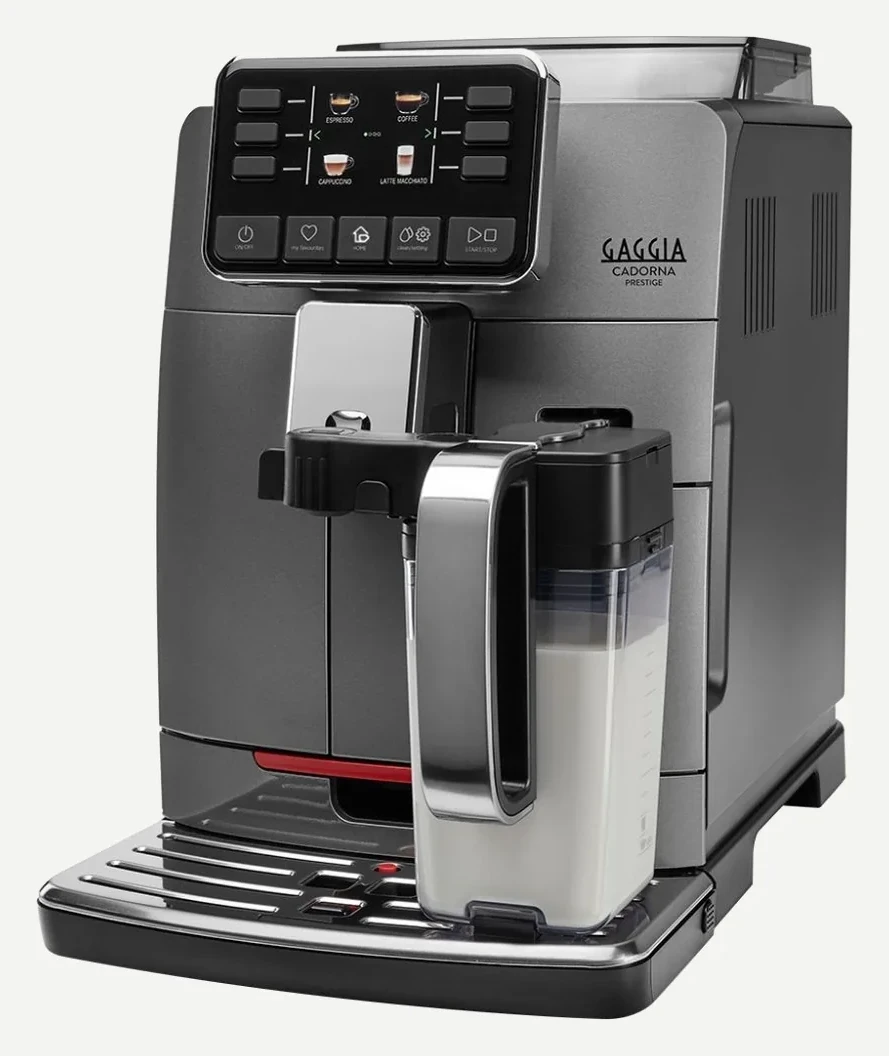
What is the Gaggia Anima?
A bean-to-cup that did not throw away the steam wand, from a company that has been making espresso machines since 1938.
It is one of the few machines with a removable brew group at this price. Gaggia publishes a 15 bar pump, 100% ceramic adjustable burrs with five settings, five coffee strength selections, three brew temperatures, a 150 gram bean hopper, a 1.8 litre tank, a removable brew group, a chute for pre-ground coffee and a classic stainless steel Pannarello wand. It is designed and made in Italy and costs $699.00.
What Gaggia does not publish anywhere on either of its own sites is a warranty term, which is dealt with below because it is the one thing that should give a buyer pause.
Three stated brew temperatures, which almost nothing here gives you
Temperature is the second lever after grind, and most bean-to-cups hide it behind low, medium and high.
Different roasts want different water. A dark roast is already soluble and gives up bitter compounds readily, so it does better cooler. A light roast is dense and needs heat to give anything up at all.
Gaggia publishes three settings with actual numbers, 177.5F, 182.9F and 184.5F, which means you can match the machine to your beans and know exactly what you changed rather than guessing at a dial. Note the range is narrow and it is cooler than the 195F to 205F usually quoted for espresso, which is worth knowing if you buy light roasts and find the cup thin. It is a specification most makers will not give you at all, and it is the most interesting thing on this machine.
Ceramic burrs, and what they change
The grinder is the part of a bean-to-cup that decides how it ages.
Gaggia states 100% ceramic burrs. Ceramic holds an edge longer than steel and conducts less heat into the grounds, which matters on a machine that grinds several times a morning. The trade is brittleness: ceramic chips if a stone gets into the hopper, where steel would usually survive it.
Five grind settings is the number to weigh against that. It is half what the Magnifica Start gives you at the same price, and grind is the main lever you have on any bean-to-cup. Five steps is enough to move between roasts and not enough to fine-tune within one. Gaggia pairs it with five strength settings, which change the dose rather than the grind, so there is more adjustment here than the grinder alone suggests.
The Pannarello wand, and why it is the middle option
It is a steam wand with a training sleeve on it.
A bare steam wand injects steam and you introduce the air yourself by positioning the tip, which is a skill. A Pannarello adds a shroud with an air hole that draws air in automatically, so it produces foam without technique.
That foam is bubblier and stiffer than true microfoam, so it suits a cappuccino better than a flat white, and latte art is effectively off the table. What it gives you in exchange is control over when to stop and how hot to go, which an automatic milk system takes away, and far simpler cleaning: a purge and a wipe rather than a carafe and a tube rinse cycle. What real microfoam is, and why a sleeve cannot make it, is worth reading before you decide that matters. On a machine that will be used every day for years, that is a real argument and not a consolation.
The warranty Gaggia will not print
The most expensive silence on this page.
Gaggia publishes no warranty length on gaggia.com or on its North American site, on this machine or on any other in the Anima range. That is unusual. De'Longhi publishes two years on a cheaper machine, and a third if you register it. Breville publishes one and two. JURA publishes two years or 6,000 brews.
Retailer pages do carry a term, and they do not agree with each other on who underwrites it, which is exactly why we will not state one here as fact. If you buy this machine, get the warranty in writing from the seller before you pay, because it is the only specification on this page you cannot check yourself.
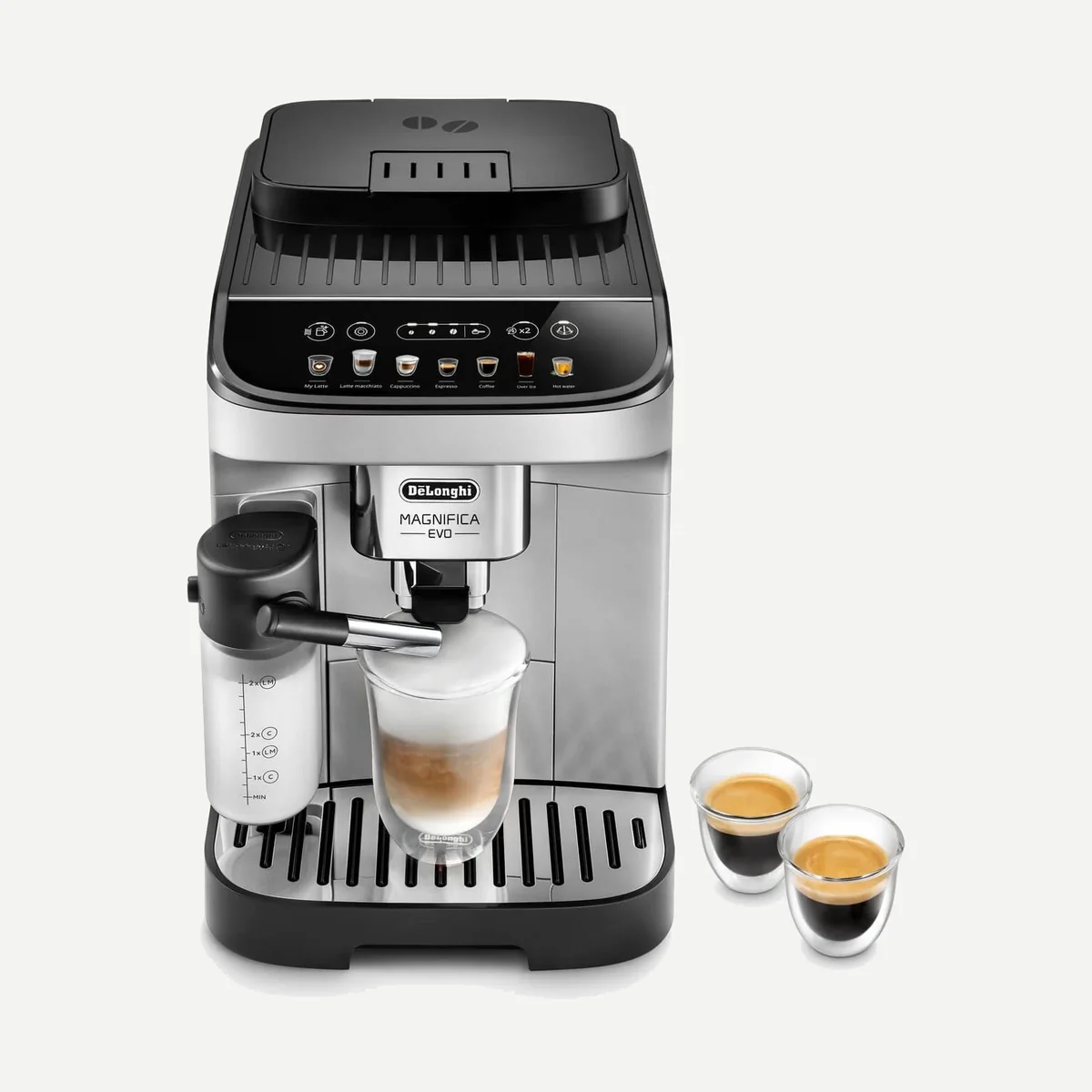
Gaggia Anima vs De'Longhi Magnifica Start
The same money, and a clean split between them.
The Magnifica Start is $699.99 against the Anima's $699.00. De'Longhi gives 13 grind settings and two years of published cover, three if you register. Gaggia gives ceramic burrs, three stated brew temperatures, a removable brew group, a Pannarello wand and Italian manufacture, and no warranty term.
If you drink cappuccino daily and like the idea of tuning the water temperature, the Anima is the more interesting machine and the wand is a genuine advantage over a plain frother. If you want grind resolution and want to know what happens when it breaks, the De'Longhi is the safer purchase. Neither is wrong, and the deciding factor is which risk you mind more.
Is the Gaggia Anima worth it?
Worth it if you want bean-to-cup coffee but distrust automatic milk systems.
It sits in a genuinely useful middle: the coffee side is automated, the milk side is not, and the milk side is where these machines break and where the cleaning lives. The removable brew group means the part that does the work comes out and goes under a tap, which is the other common failure point dealt with. Gaggia is an espresso name rather than a general appliance brand, and the machine is made in Italy at a price where most are not.
It is harder to recommend to somebody buying their only machine for a decade, purely because of the warranty silence. Everything else here is stated plainly and some of it is stated more plainly than the competition manages.
Who should buy it (and who should not)
Buy it if
- You want convenience for the coffee and control for the milk.
- You are coming off a pod machine and drink cappuccino.
- You want to set brew temperature by number rather than by guess.
Skip it if
- You want latte art, because a Pannarello does not make microfoam.
- You want one-touch milk drinks with no wand at all.
- You will not buy an appliance without a written warranty term.
Frequently Asked Questions
What is a Pannarello wand?
A steam wand with a sleeve that draws air in automatically, so it foams milk without technique. The foam is stiffer and bubblier than true microfoam.
What temperatures does the Gaggia Anima brew at?
Three settings, published as 177.5F, 182.9F and 184.5F. That is cooler than the 195F to 205F usually quoted for espresso.
What warranty does the Gaggia Anima have?
Gaggia does not publish a term on either of its own websites. Retailers state one and disagree on who provides it, so get it in writing from the seller before buying.
Does the Gaggia Anima have a removable brew group?
Yes. Gaggia states it comes out and can be washed under the tap.
Where is the Gaggia Anima made?
Italy. Gaggia prints designed and made in Italy on the product page.