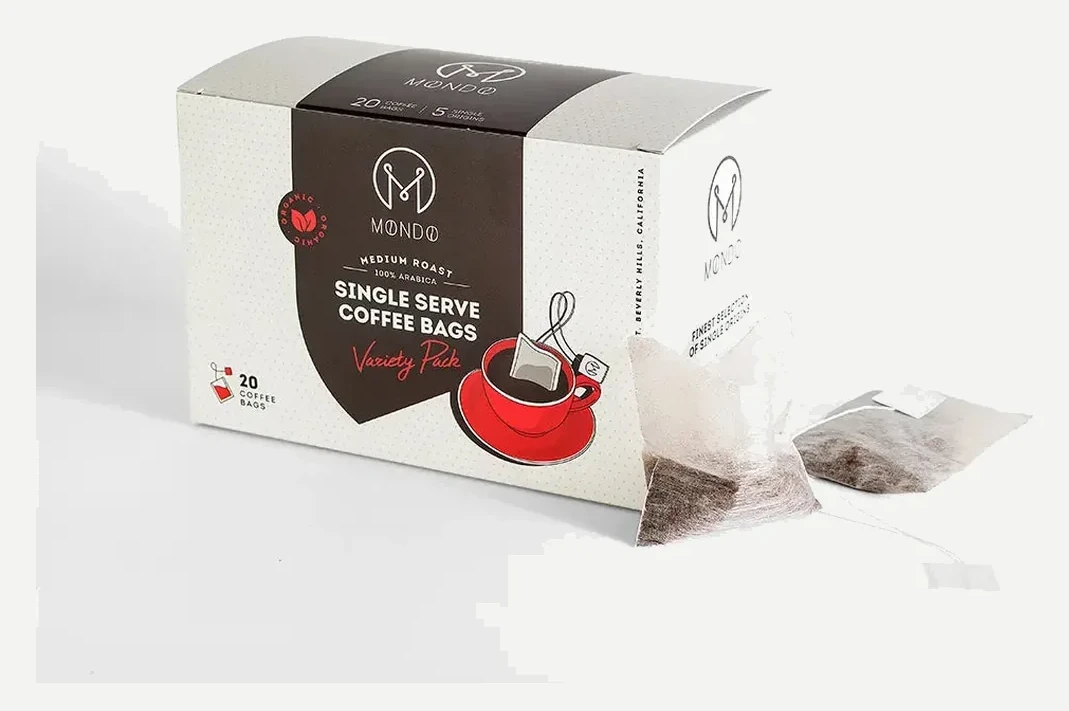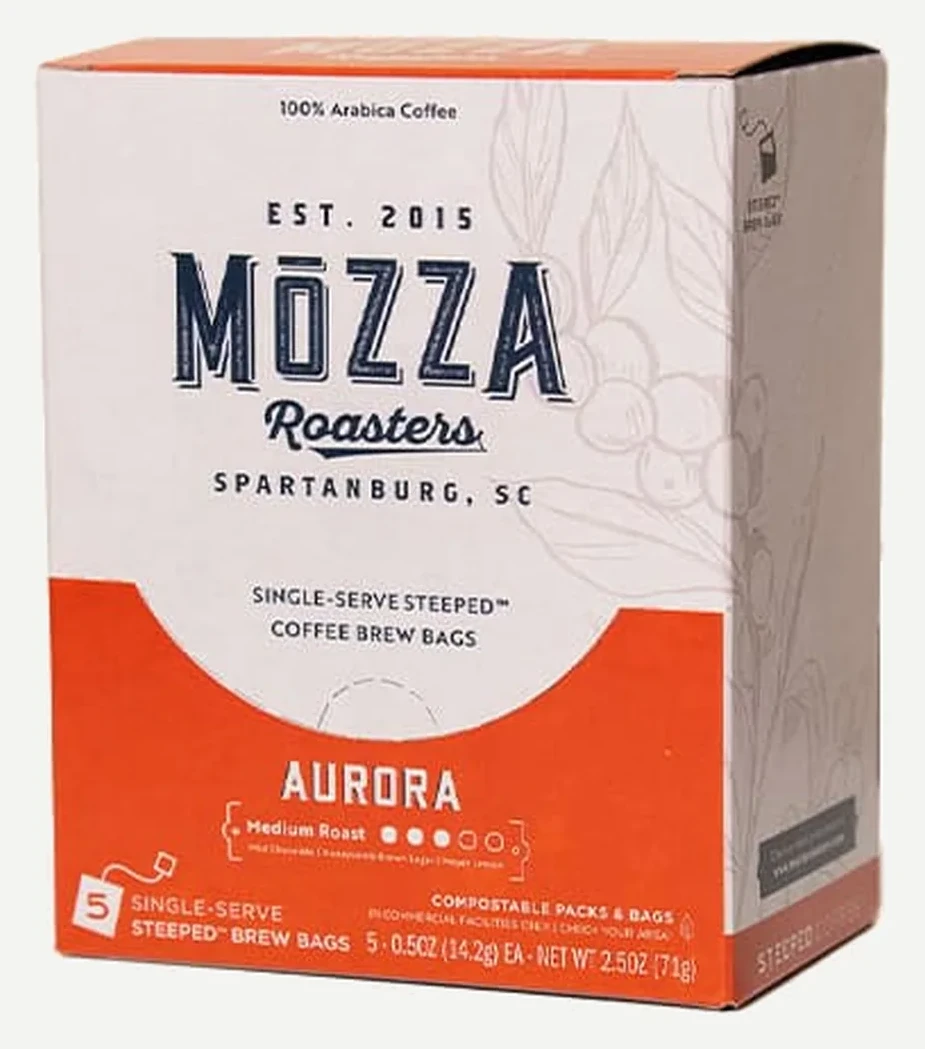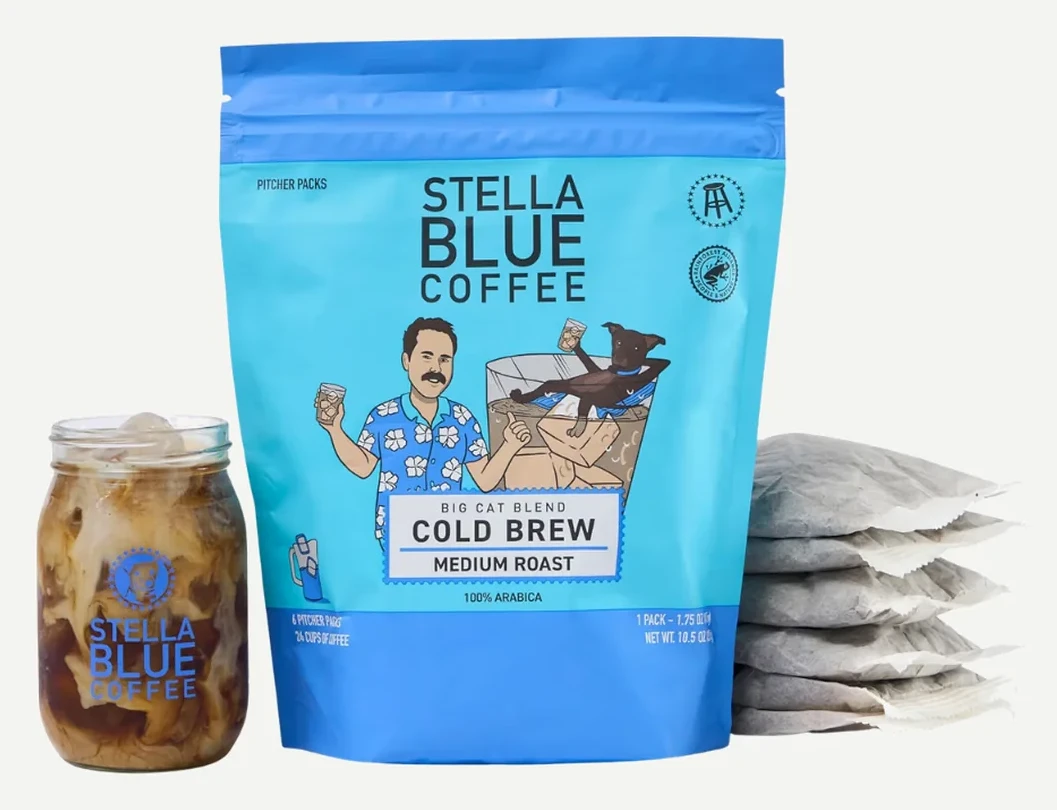
What are Taylors of Harrogate coffee bags?
Proper ground coffee, in a bag, brewed in your cup.
Taylors publishes 30 individually wrapped bags in three packs of ten, a medium roast the company numbers as Roast 4, flavours of dark chocolate and almond in a Northern Italian roast style, brewing directly in the cup, and Rainforest Alliance certification.
What a coffee bag is, and why it is not instant
Ground coffee in a filter bag. You steep it and take it out, like tea.
This is the distinction that decides which shelf a single-serve product belongs on. Instant coffee is soluble: it was brewed, dried and turned into a solid that dissolves back into water. Nothing is left behind and nothing is removed.
A coffee bag is real ground coffee that has never been brewed. Hot water goes in, the grounds stay inside the bag, and you lift the bag out and bin it. What you drink is brewed coffee, made the same way a cafetiere makes it, with the filter doing the separating instead of a plunger.
That is why they taste different and why they are scored differently here. Freeze-drying against spray-drying is the biggest quality question in instant and means nothing at all for a bag, which has no drying step. What matters instead is the dose in the bag, the roast, and whether the bag was sealed.
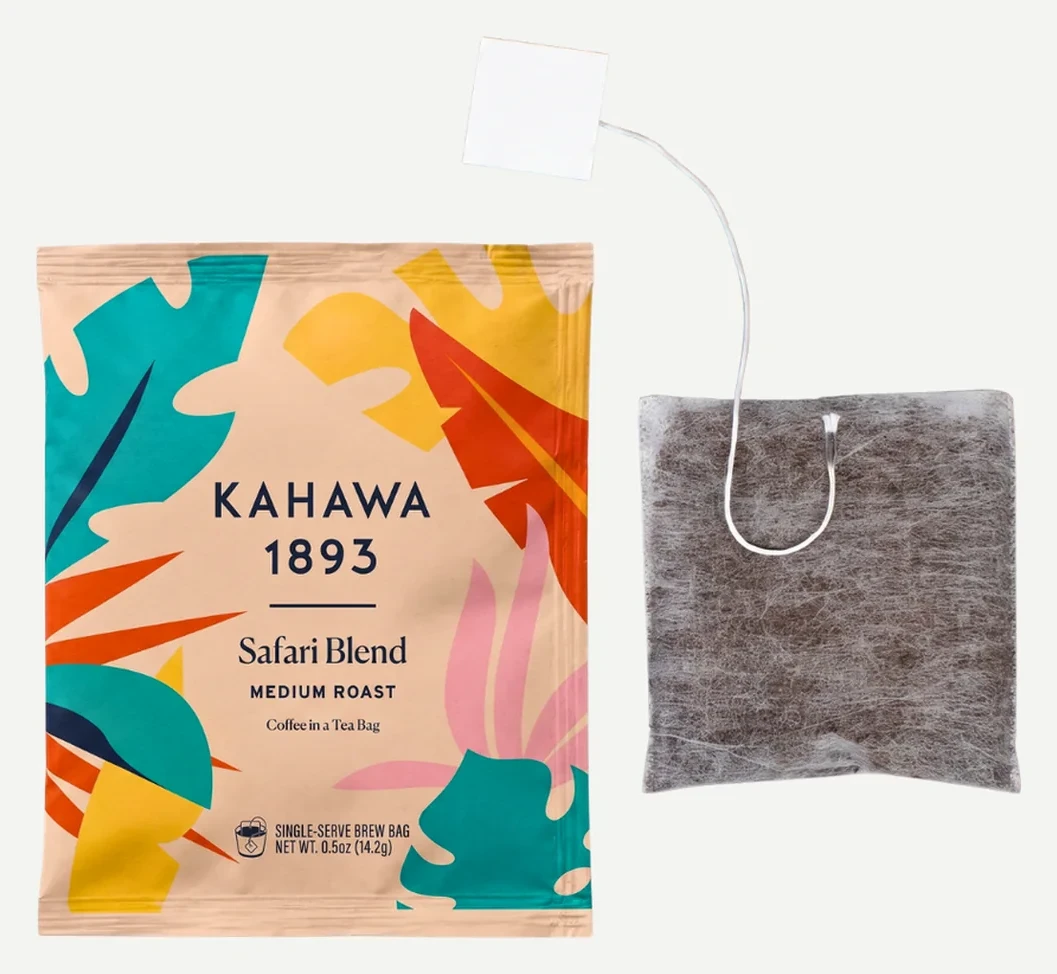
Individually enveloped, which is the whole freshness story
Ground coffee stales in days, and a box of loose bags would be stale before you finished it.
Grinding multiplies the surface area exposed to oxygen enormously, which is why ground coffee goes flat far faster than beans. A box of thirty unwrapped coffee bags would have a first cup and a thirtieth cup that tasted noticeably different.
Wrapping each bag in its own sealed envelope fixes that at the factory, and it is the same reasoning that makes sealed sachets the best format for instant. It is also why coffee bags cost more per cup than a bag of ground coffee: you are paying for thirty small packages.
Where a coffee bag actually wins
It is the only way to get brewed coffee with nothing to clean.
Every other route to brewed coffee leaves you with wet grounds to deal with: a cafetiere to rinse, a filter to bin, a portafilter to knock out. A coffee bag goes in the cup and then in the bin.
That makes it genuinely better than instant for anybody who wants brewed coffee in an office, a hotel room or a caravan, and better than a pour over coffee maker for anybody who does not want to own the equipment. It is a narrow use case and there is nothing else that fills it.
Is it worth it?
Worth it for what it is, and expensive per cup against a bag of beans.
Thirty enveloped bags from a serious British roaster, Rainforest Alliance certified, is a well-made version of this product. Taylors publishes a roast level, tasting notes and a certification, which is more than most single-serve coffee manages.
What is not published is the weight of coffee in each bag, which is the number that would let you judge strength and value properly, and no roast date is given.
Who should buy them (and who should not)
Buy them for an office, a hotel room, or anywhere with a kettle and no kit.
They suit anybody who wants brewed rather than instant coffee without owning a brewer, and travellers who would rather not carry an AeroPress Go Travel.
Do not buy them for home if you own any brewer at all; the same coffee ground into a cafetiere costs a fraction as much. And do not expect espresso: Rich Italian is a roast style, not a brewing method.
Frequently Asked Questions
Are coffee bags the same as instant coffee?
No. A coffee bag holds real ground coffee that you steep and remove. Instant is a soluble that dissolves completely. They taste different and are made completely differently.
How long do you brew a coffee bag?
Taylors does not publish a steep time on this listing. Most coffee bags are brewed for two to four minutes, and longer makes a stronger cup.
How many bags in a box?
30, as three packs of ten, each individually wrapped.
What does Roast 4 mean?
It is Taylors' own roast scale. Roast 4 is one of their medium roasts.