What is the Mondo Single-Serve Coffee Bags?
Twenty coffee bags, four each from five origins, nitrogen sealed in Japanese unbleached paper.
A coffee bag is not instant. Instant is soluble - coffee brewed at a factory and dried, which you dissolve. This is real ground coffee in a filter, and the brewing happens in your cup.
Mondo's version is the best documented in this format. Each bag holds 12 g, the pack covers Brazil, Colombia, Costa Rica, Guatemala and Honduras with four bags of each, and it carries organic, non-GMO, kosher and EU Bio certification.
It is $32.99 for twenty, which is $1.65 a cup.
Mondo Single-Serve Coffee Bags what it is like to use
Twelve grams a bag, which is the number that decides whether a coffee bag makes a real cup or a weak one.
The dose is the thing most coffee bags get wrong. A filter brew uses around 15 g for a mug; a sachet that holds 7 or 8 makes a thin cup no steeping time can rescue. Twelve grams is close enough to a full dose that the result is coffee rather than a suggestion of it.
Five origins sold as one pack is unusual and it is the format working in its favour: a bag is a single serving, so a variety pack costs nothing in staleness the way five open bags of beans would.
What you can brew with it
One cup at a time, from five different origins in the same box.
A bag in a mug, hot water, steep, remove. It also makes a decent iced coffee brewed strong and poured over ice, and the format takes to a flask better than ground coffee does because there is nothing to filter out afterwards.
A separate 20-pack of decaf is sold if that is what you need.
Living with it, day to day
Nothing to grind, nothing to wash, and the bag composts.
The used bag goes in the food waste rather than the bin, which is the argument this whole format makes against pods. Mondo state the paper is unbleached, non-GMO, sourced from Japan, and fully biodegradable.
Nitrogen sealing is the specification that matters most here and it is easy to skip past. Ground coffee stales in hours in open air; replacing the oxygen with nitrogen is the only reason a pre-ground sachet can still be good months after it was packed. Without it a coffee bag is stale coffee in a tidy wrapper.
Mondo Single-Serve Coffee Bags vs Kahawa 1893 Single-Serve Coffee Packs
Against Kahawa 1893 at $2.00 a cup, this is cheaper per serving and better documented.
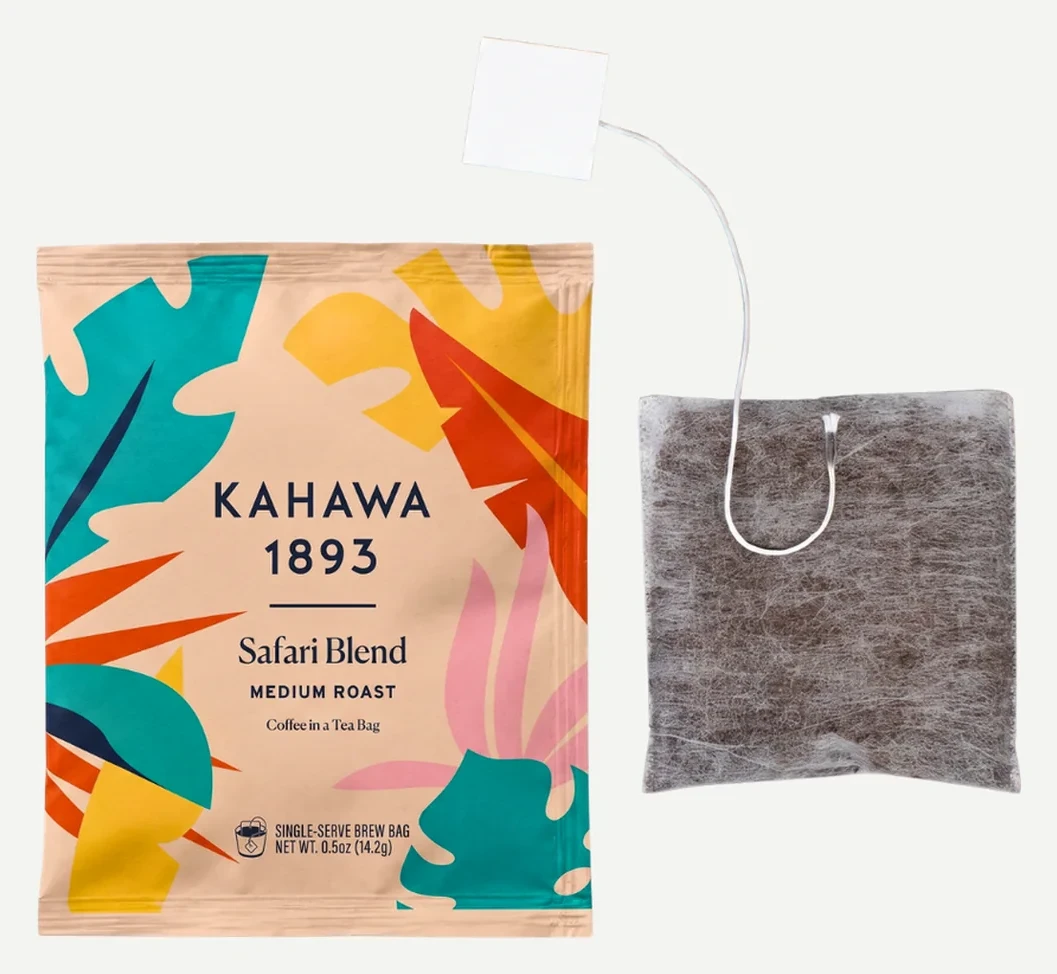
Kahawa sell twelve bags for $24.00 from Kenya, Rwanda and Congo, and put money back into East African growers. Mondo sell twenty for $32.99 across five Latin American origins, state the dose, and carry four certifications. Mondo wins on the specification sheet; Kahawa wins if where the money goes is the reason you are buying.
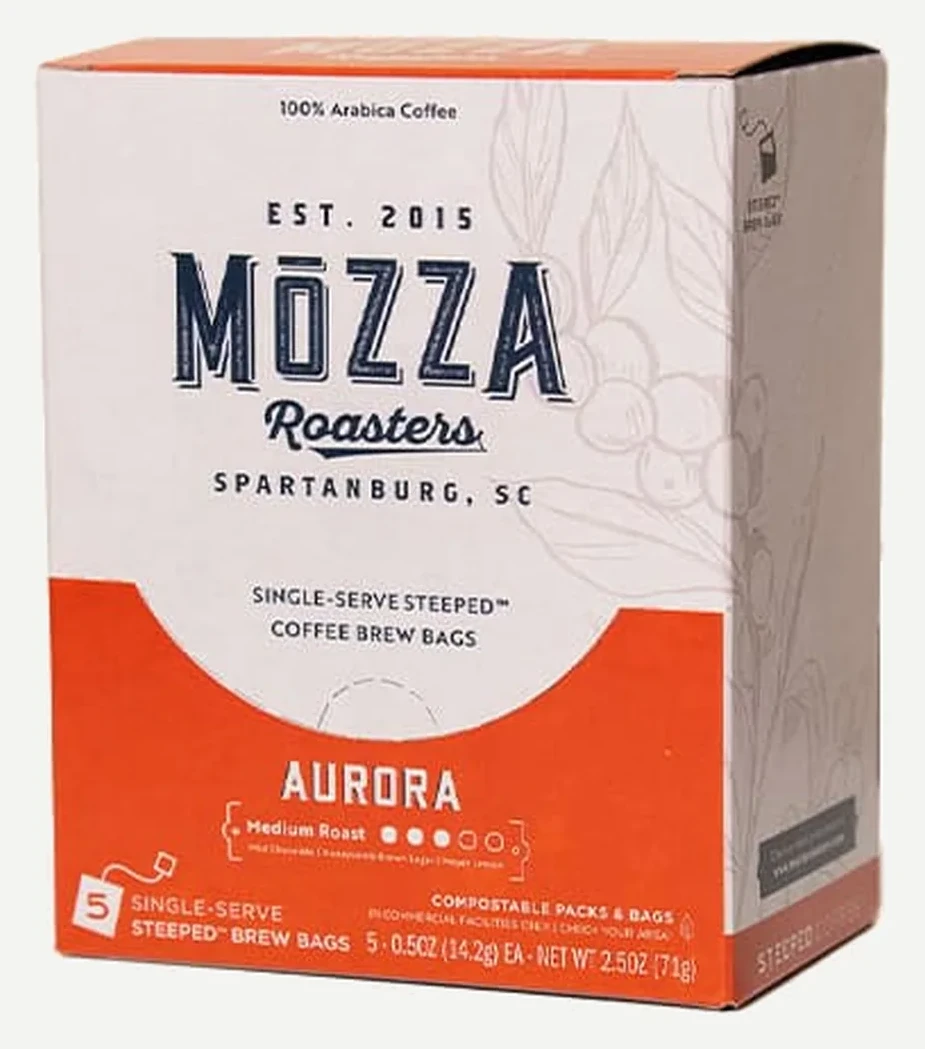
Against Mozzaro at $9.50 for five, that is the cheapest way to try the format and the dearest way to drink it at $1.90 a cup.
Against instant, this is real brewing and takes five minutes. Against a bag of beans it is roughly triple the price per cup and needs no equipment at all.
Is the Mondo Single-Serve Coffee Bags worth it?
$1.65 a cup, which undercuts every other coffee bag here and every specialty instant.
$32.99 is the highest shelf price in this category and the lowest cost per cup in it, which is the trap a pack-size comparison sets. Twenty servings is where the maths turns.
Against a bag of beans at around 64 cents a cup it is expensive. Against a coffee shop it is not close. The format sits where a grinder and a brewer are not going to happen: a desk, a hotel, a boat.
Who should buy it (and who should not)
Right for somebody who has decided the format works and wants the best of it; wrong as a first try.
Buy it if you already know you like coffee bags, want a full 12 g dose, and care that the sachet composts. The five-origin pack is also the cheapest way to taste Latin American origins side by side without opening five bags of beans.
Take Mozzaro's five-pack instead if you have never tried the format, because $9.50 is the right price for finding out. Take Kahawa if East African coffee or the giving-back model is the point.
Frequently Asked Questions
What is a coffee bag?
Real ground coffee in a filter sachet, steeped in hot water like a tea bag. It is not instant: instant is soluble powder that was brewed at a factory and dried, while a coffee bag is brewed by you, in your cup, in about five minutes.
How much coffee is in a Mondo bag?
12 g, which is close to a full filter dose. That number matters more than anything else in this format: a sachet holding 7 or 8 g makes a thin cup that no amount of steeping will rescue.
Are the bags compostable?
Mondo state the paper is unbleached, non-GMO, sourced from Japan and fully biodegradable and compostable. The used bag goes in food waste rather than the bin, which is the argument this format makes against plastic pods.
What does nitrogen sealing do?
It replaces the oxygen in the pack so the ground coffee does not stale. Ground coffee goes flat in hours in open air, so nitrogen flushing is the only reason a pre-ground sachet can still taste good months later. It is the single most important specification here.
How much is a Mondo coffee bag per cup?
$1.65, from $32.99 for twenty. That is the cheapest per serving of the coffee bags on this site, despite having the highest shelf price - pack sizes here run from five bags to twenty, so only the per-cup figure compares them.
Is there a decaf?
Yes, sold as a separate 20-pack rather than mixed into the variety box. The standard pack is four bags each of Brazil, Colombia, Costa Rica, Guatemala and Honduras.