What is the Kahawa 1893 Single-Serve Coffee Packs?
East African coffee in a compostable sachet, twelve to a box, steeped for five minutes.
A coffee bag is not instant. Instant is soluble - coffee brewed at a factory and dried, which you dissolve. This is real ground coffee in a filter, and the brewing happens in your cup.
Kahawa 1893's angle is the origin and the model behind it: the coffee comes from Kenya, Rwanda and Congo, and the company puts money back into the growers there. The name is the Swahili word for coffee and the year is when the first crop was planted in Kenya.
Three versions are sold: Safari as a medium roast, Serengeti as a dark roast, and a chai spice blend. Twelve packs are $24.00, which is $2.00 a cup.
Kahawa 1893 Single-Serve Coffee Packs what it is like to use
East African coffee, which is the reason to buy this rather than a cheaper bag.
Kenyan and Rwandan coffee is grown high and tends towards blackcurrant, citrus and a hard, bright acidity. Very little of it reaches this format, which is dominated by Latin American blends, so a coffee bag that tastes distinctly of somewhere is unusual.
The five-minute steep is longer than most tea and it matters: pulling the bag early is how a coffee bag ends up tasting weak, and this is one of the few makers that states the time.
What you can brew with it
Three versions, including a spiced one, twelve bags to a box.
Safari is the medium roast and Serengeti the dark. The chai spice blend is the outlier, and it is a real flavoured product rather than a suggestion of one - worth knowing if flavoured coffee is something you avoid.
Larger boxes go up to 72 packs, and the price per cup improves as they get bigger.
Living with it, day to day
Five minutes, no equipment, and the bag composts.
Steep for five minutes, lift the bag out, done. There is no grinder, no filter and nothing to rinse, which is the whole proposition.
The maker states the bags are 100% compostable. What is not stated is whether they are nitrogen sealed, and that is the specification that decides whether pre-ground coffee is still good when it reaches you.
Kahawa 1893 Single-Serve Coffee Packs vs Mondo Single-Serve Coffee Bags
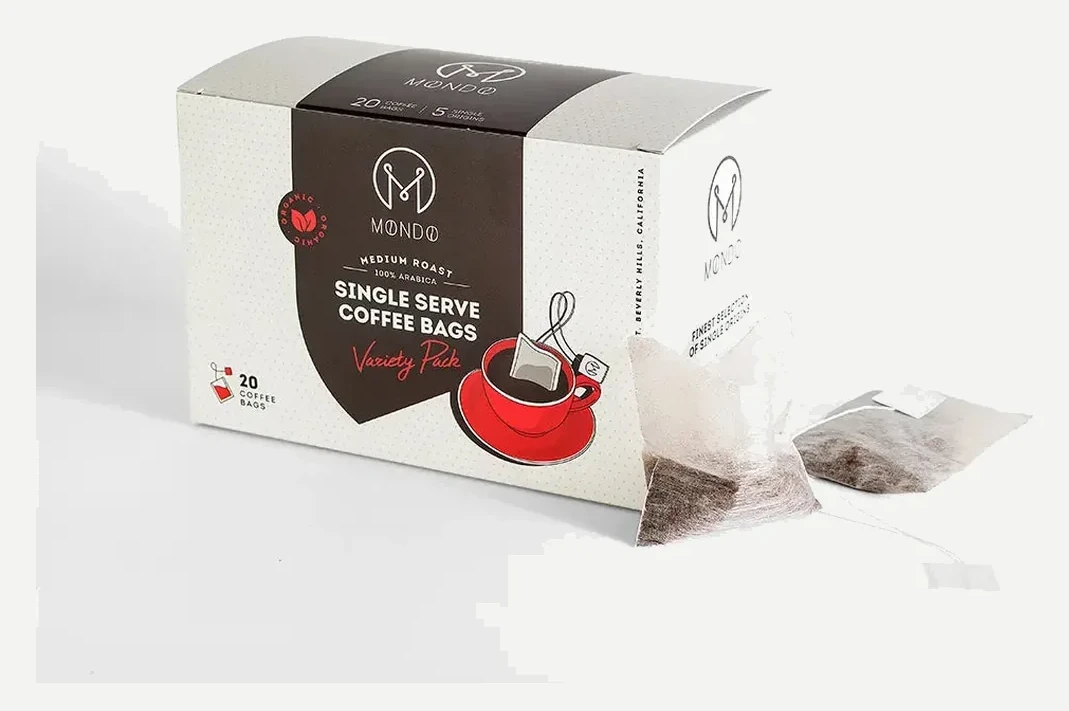
Against Mondo at $1.65 a cup, this is dearer and it is the one with East African coffee in it.
Mondo sell twenty bags for $32.99, state a 12 g dose, carry four certifications and nitrogen seal the pack. Kahawa sell twelve for $24.00 from Kenya, Rwanda and Congo. Mondo is the better specification; Kahawa is the more interesting coffee and the better story.
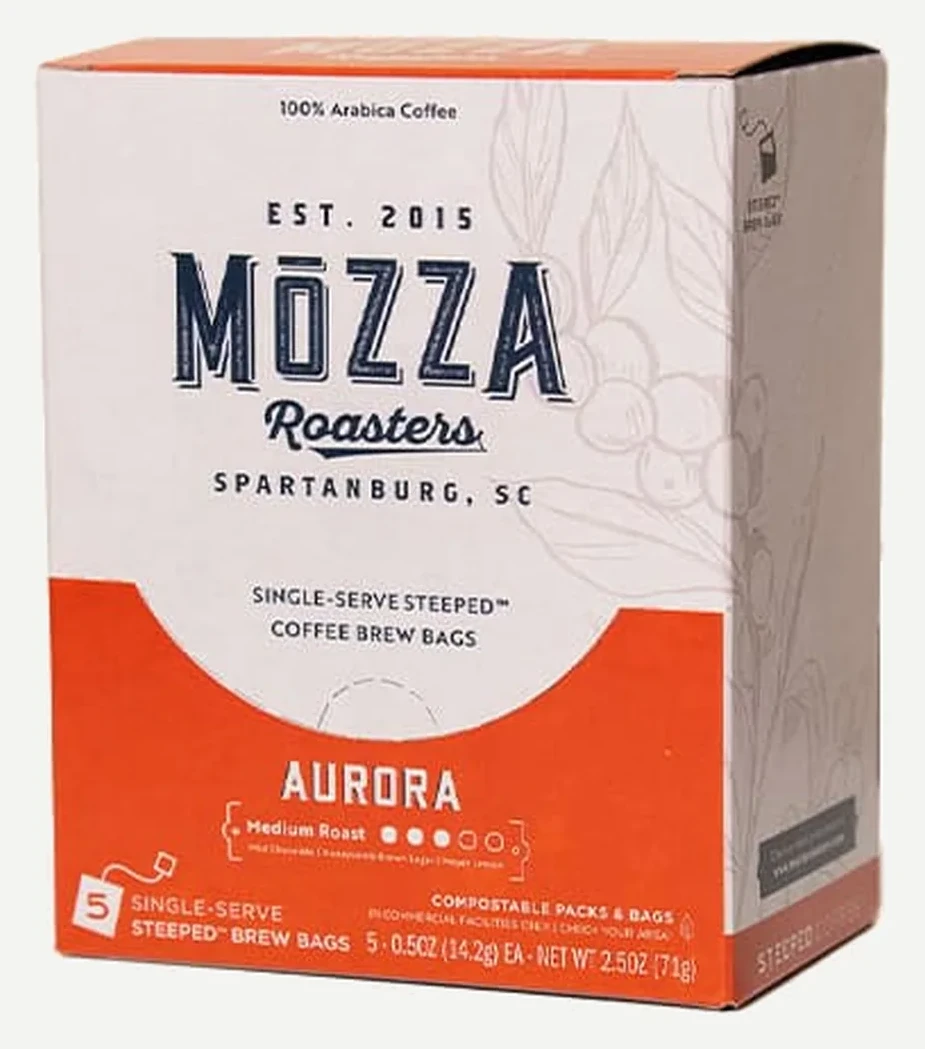
Against Mozzaro at $9.50 for five, that is a smaller commitment at a similar cost per cup.
Against a bag of Kenyan beans, this is several times the price per cup and needs no kettle discipline, no scale and no brewer.
Is the Kahawa 1893 Single-Serve Coffee Packs worth it?
$2.00 a cup, the dearest coffee bag here, for coffee the others do not offer.
Two dollars is a lot for a cup you make yourself, and the honest comparison is not against beans. It is against the instant sachets at $2.60 and the coffee shop at four times that.
The larger boxes are the answer if this becomes a habit: 72 packs bring the per-cup figure down substantially, and a coffee bag does not stale on a shelf the way an opened bag of grounds does.
Who should buy it (and who should not)
Right for somebody who wants East African coffee without equipment; wrong for anyone shopping on price.
Buy it if bright, high-grown African coffee is what you like and you want it somewhere a brewer is not going to happen, or if the East African giving-back model is a reason on its own.
Take Mondo instead if cost per cup and a stated dose matter more, or Mozzaro if you want to spend $9.50 finding out whether you like the format at all.
Frequently Asked Questions
What is Kahawa 1893?
A coffee company selling East African coffee in single-serve bags steeped like tea, from Kenya, Rwanda and Congo. Kahawa is the Swahili word for coffee and 1893 is when the first crop was planted in Kenya. Twelve packs are $24.00.
How long do you steep a coffee bag?
Kahawa state five minutes, which is longer than tea and is the number most makers leave out. Pulling the bag early is the usual reason a coffee bag tastes weak, so a stated steep time is genuinely useful.
What flavours are there?
Safari as a medium roast, Serengeti as a dark roast, and a chai spice blend. The chai is a properly flavoured product rather than a hint of one, which is worth knowing if flavoured coffee is something you avoid.
Kahawa or Mondo?
Mondo is $1.65 a cup, states a 12 g dose, carries four certifications and nitrogen seals the pack. Kahawa is $2.00 and brings Kenyan, Rwandan and Congolese coffee, which almost nothing else in this format does. Specification against origin.
Are the bags compostable?
The maker states they are 100% compostable. What they do not state is whether the pack is nitrogen sealed, which is the specification that decides whether pre-ground coffee is still fresh by the time it reaches you.
Is a coffee bag the same as instant?
No. Instant is soluble powder that was brewed at a factory and dried, so you dissolve it. A coffee bag holds real ground coffee in a filter and you brew it yourself by steeping, which takes five minutes and tastes much closer to filter coffee.