What Is Third Wave Coffee?
Coffee treated as an agricultural product with an origin, rather than a commodity with a brand. The waves are a useful story and a rough one.
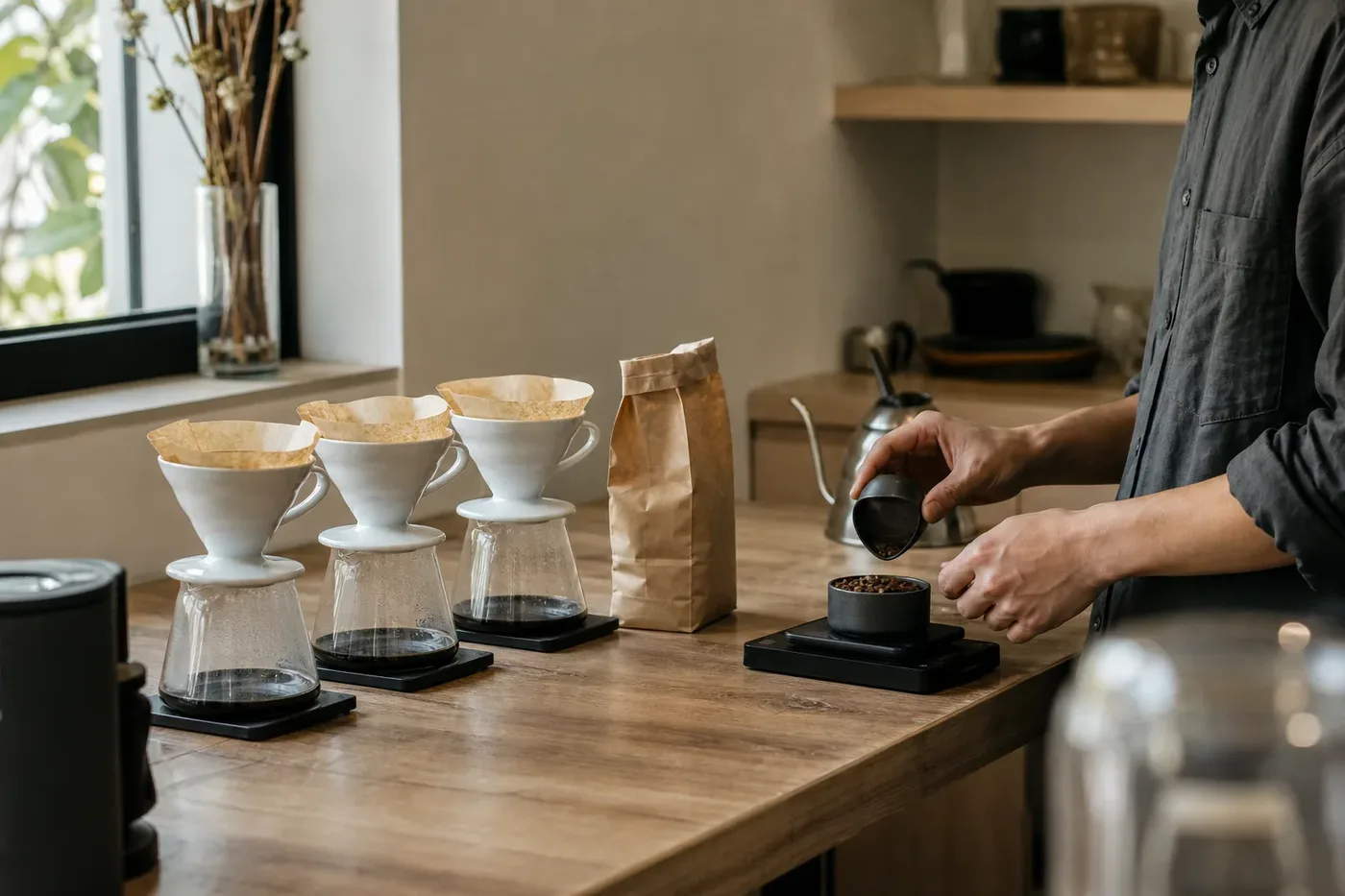
Third wave coffee is the idea that coffee is an agricultural product whose origin, variety and processing matter, and should be named. The comparison everyone reaches for is wine, and it is the right one.
The three waves of coffee
First wave made coffee ubiquitous. Vacuum packing, instant coffee, the tin on the supermarket shelf. Coffee as an undifferentiated commodity, sold on availability and price, with the origin irrelevant and usually unstated.
Second wave made coffee an experience. The cafe chain, the espresso menu, Italian drink names in every English-speaking high street. Origin appeared on the bag, usually as a country, and roasts were dark enough to taste consistent regardless of what went in.
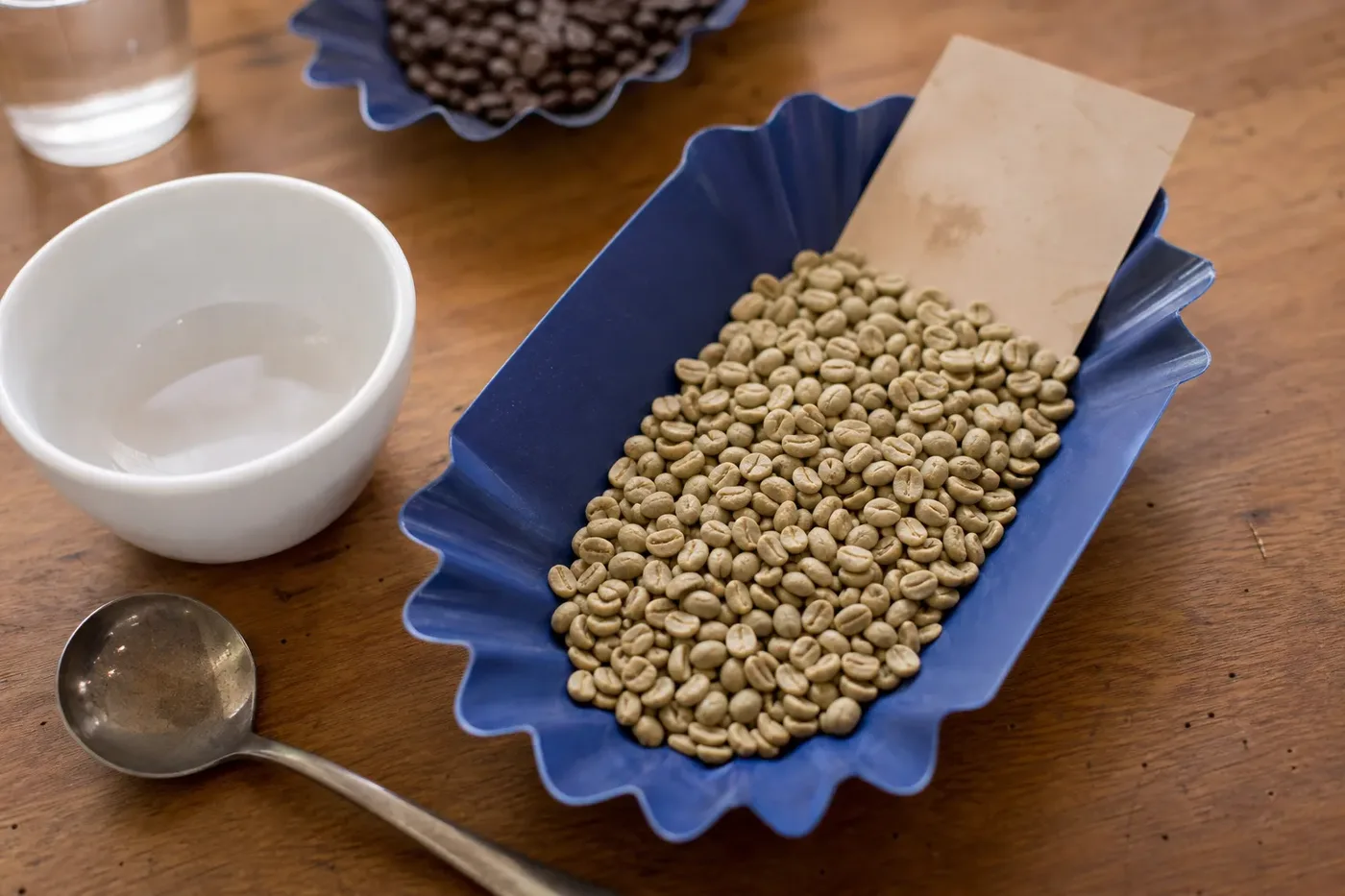
Third wave made coffee an ingredient with provenance. A farm rather than a country, a variety, a processing method, a roast date, and a roast light enough that the origin still shows through.
What third wave coffee looks like in practice
- The bag names a place. Not Colombia but a specific farm, co-op or region.
- A roast date is printed, not a best-before. See our roast-date filter for how rare that still is.
- Lighter roasting, because a dark roast tastes of roasting rather than of the coffee.
- Filter is taken seriously, not treated as the drink you have when you cannot afford espresso.
- Recipes, not habits. Weighed doses and stated ratios.
- Direct relationships with producers, or importers who publish what they paid. See what the labels guarantee.
Fair criticisms of third wave coffee
It is worth stating them, because the movement can be insufferable about itself.
The light roasting is dogmatic. A roast light enough to preserve every origin note is also a roast that punishes imprecise brewing and can be sour in unskilled hands. Not everyone wants a cup that demands a scale.
The transparency is uneven. Naming a farm is not the same as paying well for it, and the vocabulary of ethical sourcing is easy to adopt without the substance behind it.
The gatekeeping is real. A culture that says the way you have drunk coffee your whole life is wrong is not obviously winning anyone over, and plenty of excellent coffee traditions predate all three waves. The Ethiopian ceremony roasts far darker than any speciality roaster would and is not doing it wrong.
What third wave coffee got right
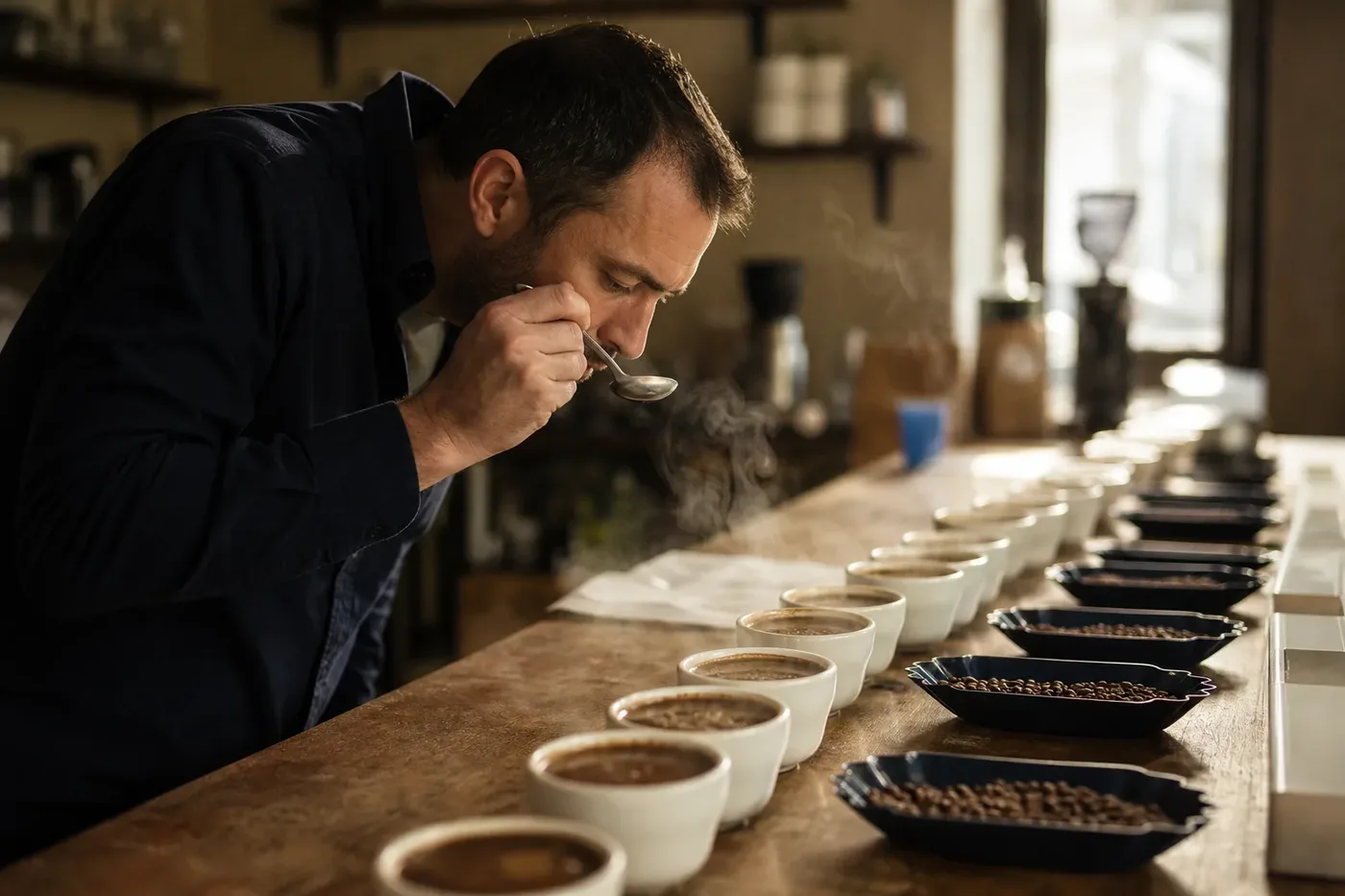
Two things, and they are large. Producers can now be named and paid for quality rather than for weight. And the roast date exists, which is the single most useful piece of information on any bag of coffee and did not used to be there at all.
Where the term third wave coffee came from
Trish Rothgeb coined it in 2002, writing in a roasters' guild newsletter about what she had been seeing in Norway. It was a description of something already under way rather than a manifesto, which is why the boundaries were never crisp and why arguments about who qualifies have run ever since.
The wave metaphor was borrowed deliberately. It describes a shift in how the whole trade behaves, not a style you can adopt by buying the right equipment.
How to spot a real third wave coffee shop
Plenty of shops have the visual language without anything behind it. Exposed brick and a single origin chalked on a board cost nothing. Four things are harder to fake.
- A roast date you can read, a few weeks old, not a best-before a year out.
- Staff who can name the farm, or who say plainly that they do not know.
- A filter option that is not an afterthought, made to a stated recipe rather than left standing on a hotplate.
- A menu that changes, because coffee is seasonal and a fixed year-round single origin is usually a blend being described loosely.
None of that requires roasting on site, which is the test people reach for most often and the one that proves least.
Third wave coffee FAQ
What are the three waves of coffee?
First wave was mass-market coffee as a commodity, sold on convenience. Second wave was the cafe chain and the espresso menu, selling coffee as an experience. Third wave treats coffee as an agricultural product with a named origin, like wine.
What makes a roaster third wave?
Naming the farm or co-op, publishing roast dates, roasting lighter to preserve origin character, buying directly or through transparent importers, and brewing to recipes rather than by habit.
Is third wave coffee just expensive coffee?
It is usually more expensive, because selective picking and direct buying cost more. But price alone certifies nothing, and plenty of expensive coffee is second wave in everything but price.
Is there a fourth wave?
The term gets used, usually for the science-led end of speciality: refractometers, precise recipes and controlled fermentation. It is not settled and the waves were never a formal taxonomy anyway.