Espresso vs Cappuccino: What the Milk Changes
A cappuccino is an espresso with steamed milk and foam added. Size, taste, caffeine and when Italians drink each one, side by side.
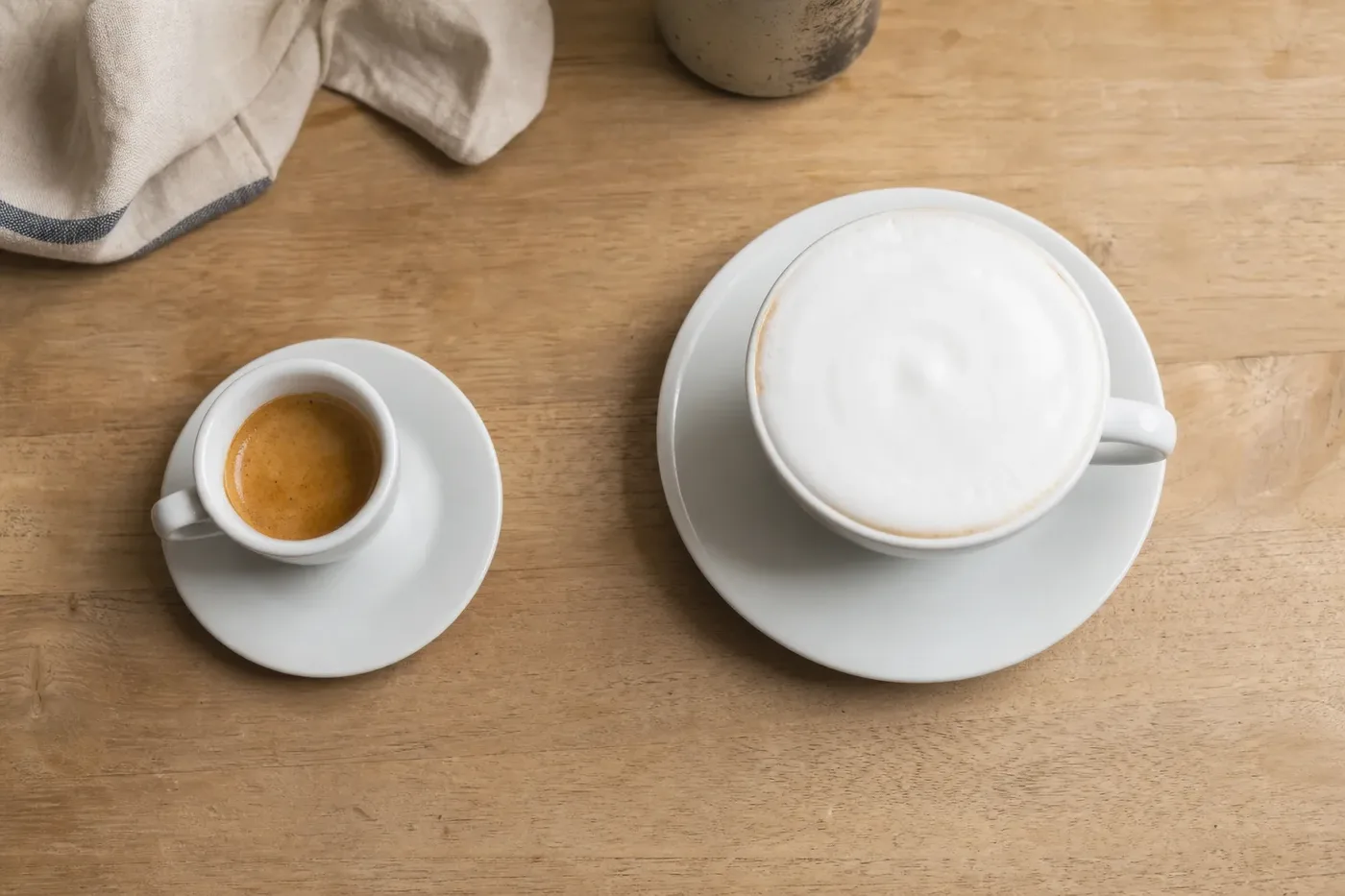
A cappuccino starts as an espresso. Everything that makes the two different, the size, the taste, the texture and even the time of day people drink them, comes from what gets added: steamed milk and a thick layer of foam.
Side by side
| Espresso | Cappuccino | |
|---|---|---|
| What is in it | Coffee only | A shot of espresso, steamed milk and milk foam |
| Size | About 30 ml, 25 ml in Italy | 150 to 180 ml traditionally, larger at chains |
| Taste | Intense and concentrated | Softer and creamier |
| Caffeine | Roughly 60 to 75 mg a single shot | The same, if it is made with one shot |
| Calories | Almost none | Typically 110 to 150 |
| In Italy | Any time of day | Mostly in the morning |
What goes into each
Espresso is coffee brewed by forcing hot water under high pressure through finely ground coffee packed tightly into a small basket. It comes out as a small, strong drink with a layer of golden foam on top called crema.
A cappuccino takes that shot and adds steamed milk and a thick cap of milk foam, traditionally in roughly equal thirds. In Italy that means about 25 ml of espresso and a cup of no more than about 180 ml. Coffee chains in the United States often serve 12 ounces or more, which is mostly extra milk.
Caffeine is the same
This surprises people. The milk adds volume, not caffeine, so a cappuccino made with a single shot has exactly the caffeine of that single espresso, roughly 60 to 75 mg by the figures in our guide to caffeine in coffee. A cappuccino only has more when it is made with a double shot, which many larger cafe sizes are.
Taste and texture
An espresso is all coffee: strong, full and sometimes bitter, with the crema giving it a slightly thick feel. The milk in a cappuccino softens that bitterness and adds sweetness of its own, and the foam gives each sip a light, airy texture. The coffee is still clearly there, which is what separates a cappuccino from a latte, where there is far more milk.
Calories
An espresso has almost no calories. A cappuccino is typically 110 to 150, depending on the milk and the size, and skimmed milk brings that down. The fuller picture is in our guide to coffee calories.
Where a cappuccino sits among the milk drinks
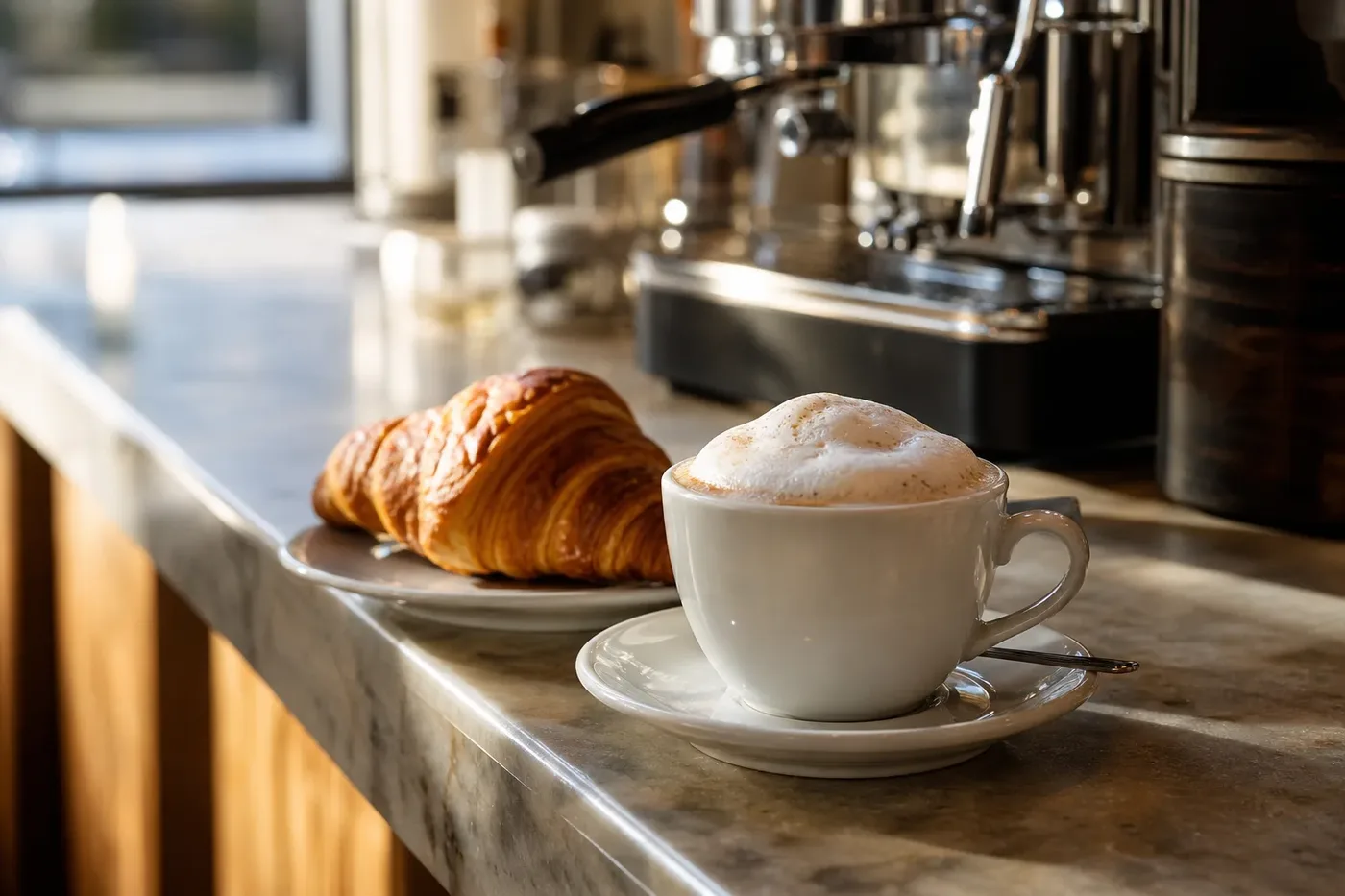
A cappuccino is the most coffee-tasting of the big espresso and milk drinks. A latte uses the same shot with much more milk and only a thin layer of foam, so it is milder and larger. A flat white is closer to a cappuccino in size but has less foam and a silkier milk, so it tastes stronger. If an espresso is too much but a latte tastes of nothing but milk, the cappuccino is the middle ground.
Making them at home
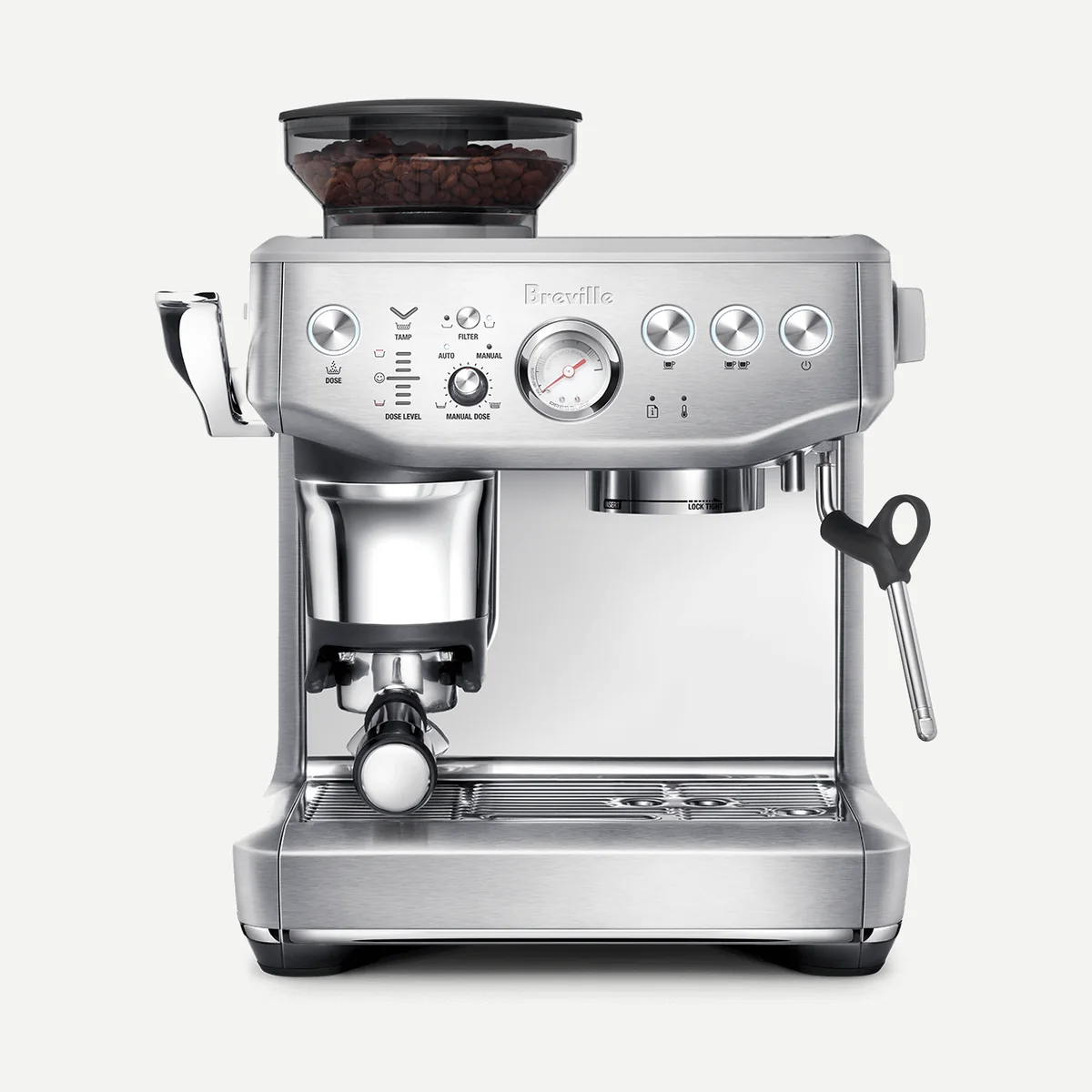
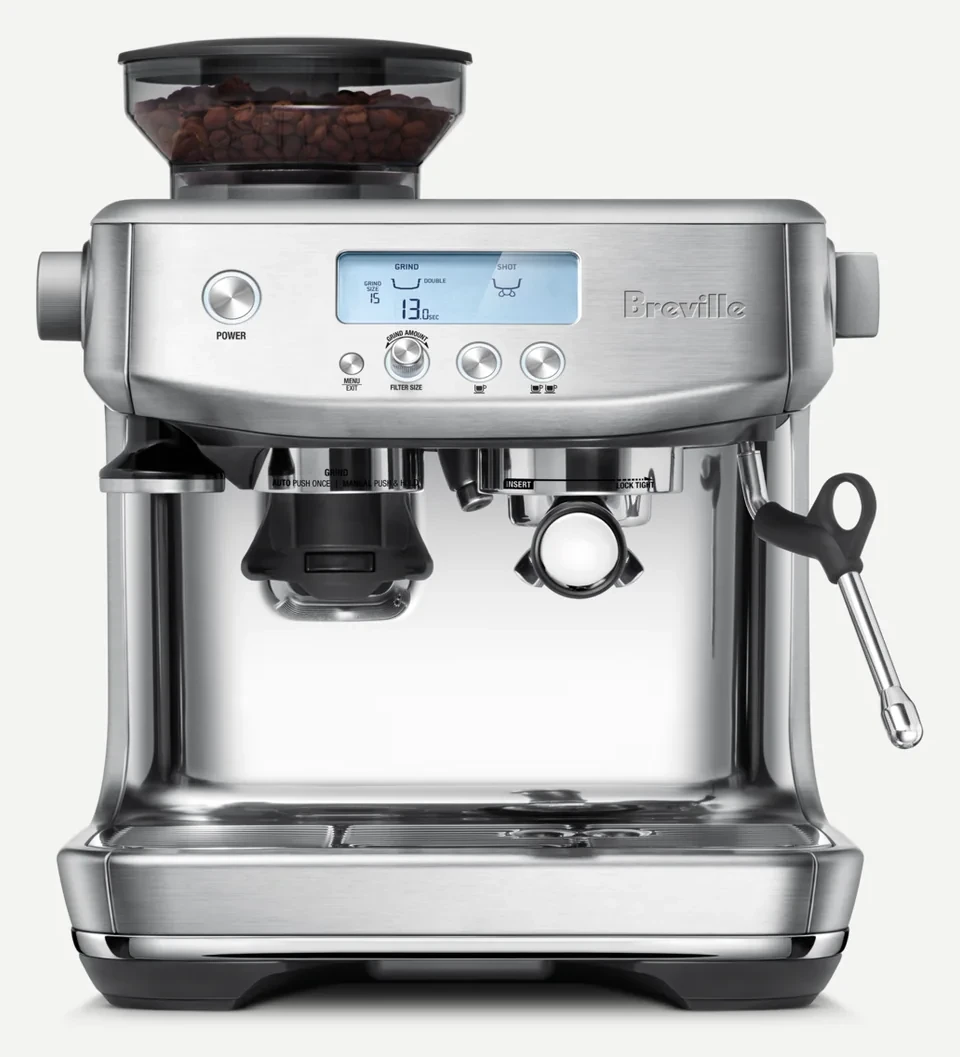
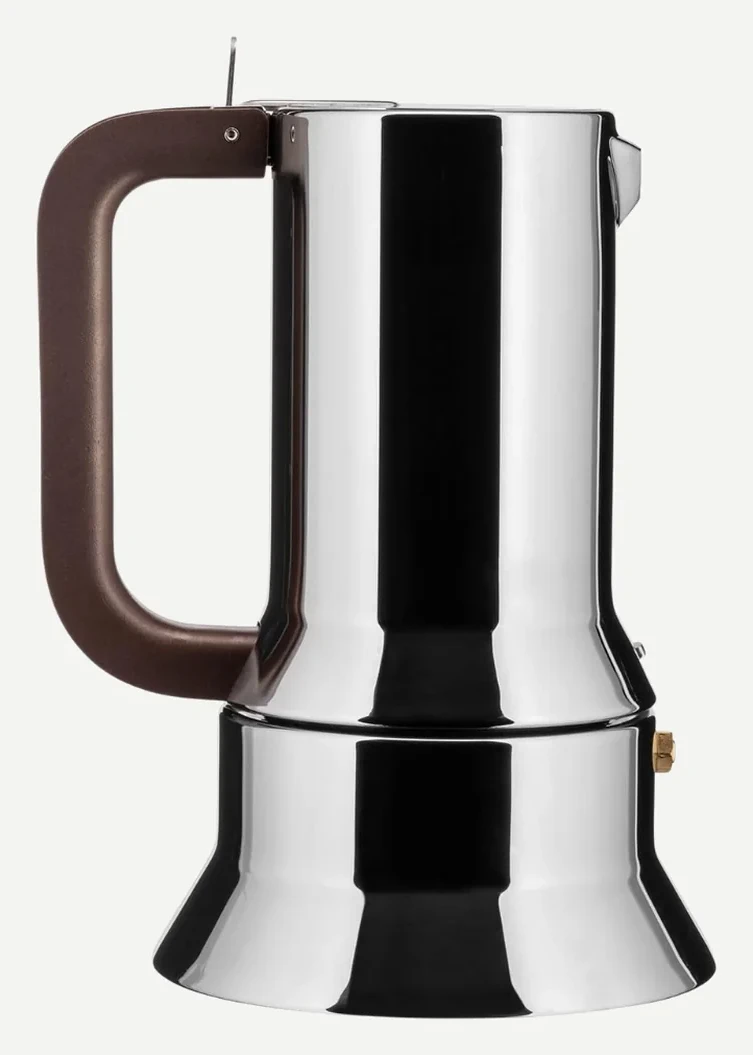
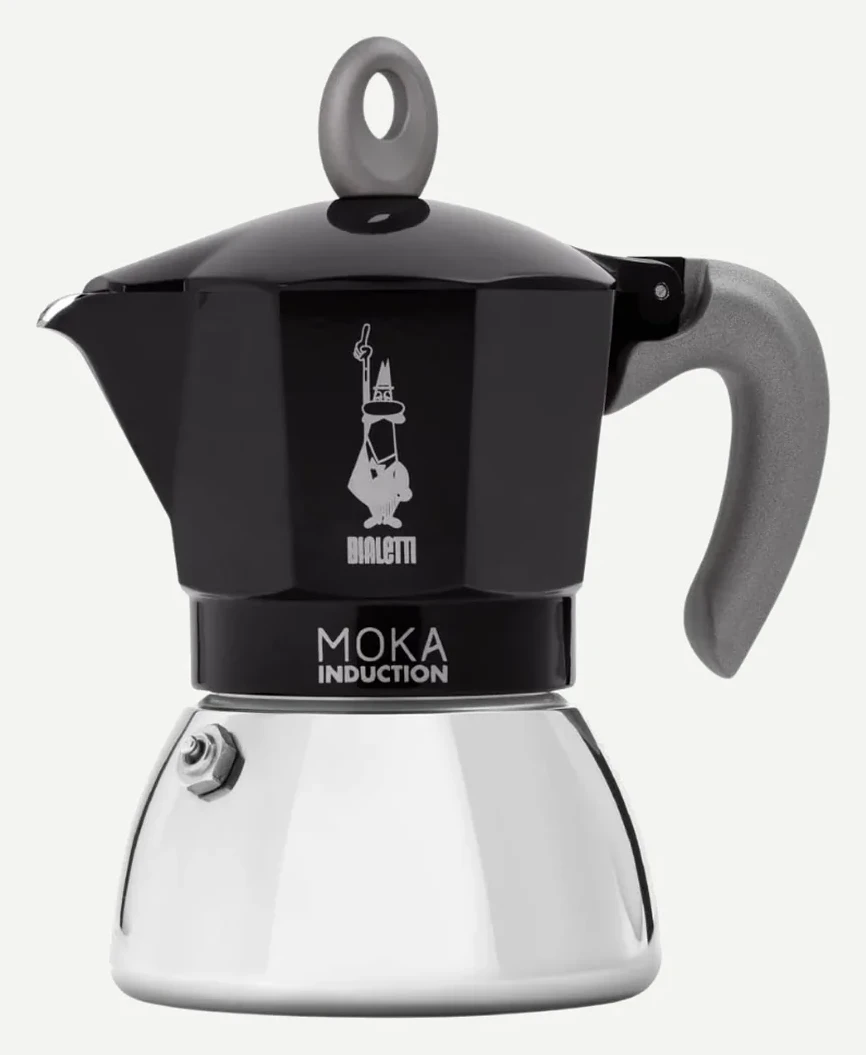
An espresso needs an espresso machine, or at a push a moka pot, which makes something strong and close to it without the crema. A cappuccino needs the same shot plus a way to steam and foam milk: the steam wand on an espresso machine, or a separate electric frother, which heats and foams milk at the press of a button.
When Italians drink them
In Italy a cappuccino is a breakfast drink, usually drunk before about 11 in the morning, because milk is thought too heavy for later in the day. After lunch or dinner the order is an espresso. Outside Italy nobody minds, but it explains why an Italian bar will look twice at a cappuccino ordered after a meal.
Which to choose
Choose an espresso for a quick, strong coffee with nothing in the way of the taste. Choose a cappuccino for something longer and gentler with the same kick of caffeine, especially in the morning.
Ordering each outside Italy
In most of the world an espresso is a single shot, and many cafes now pour a double by default, so ask if you want the classic single. A cappuccino outside Italy is often bigger and milkier than the Italian original, which is a small cup with a thick cap of foam; in large chain cafes it can be served in a mug, closer to a foamy latte. If you want the traditional proportions, a smaller size is nearer the mark. A dry cappuccino means more foam and less milk, and a wet one the reverse.
If neither is quite right
Between the two sit drinks that may suit you better. A macchiato is an espresso marked with a spoonful of foam, for when a cappuccino is too much milk. A cortado is espresso cut with an equal amount of warm milk and little foam, smaller and stronger than a cappuccino. A flat white uses silky milk with almost no foam, for a stronger coffee taste than a cappuccino at a similar size. Our guide to the cortado explains where it fits, and our macchiato guide covers the smallest step up from a plain espresso.
Common questions
What is the difference between an espresso and a cappuccino?
An espresso is a small shot of coffee on its own. A cappuccino is that shot with steamed milk and a thick layer of milk foam added, in roughly equal parts.
Does a cappuccino have more caffeine than an espresso?
No, not when it is made with one shot. The milk adds volume, not caffeine, so both have roughly 60 to 75 mg. A cappuccino made with a double shot has twice that.
Is a cappuccino stronger than an espresso?
No. It has the same caffeine from one shot, but the milk makes it taste softer and less intense.
Why do Italians only drink cappuccino in the morning?
Milk is considered too heavy for later in the day, so a cappuccino is a breakfast drink, usually before about 11am, and an espresso is ordered after meals.