
Turkish Coffee vs Espresso
Both are small, dark and strong, and almost nothing else about them is the same. One is filtered by pressure, the other is not filtered at all.
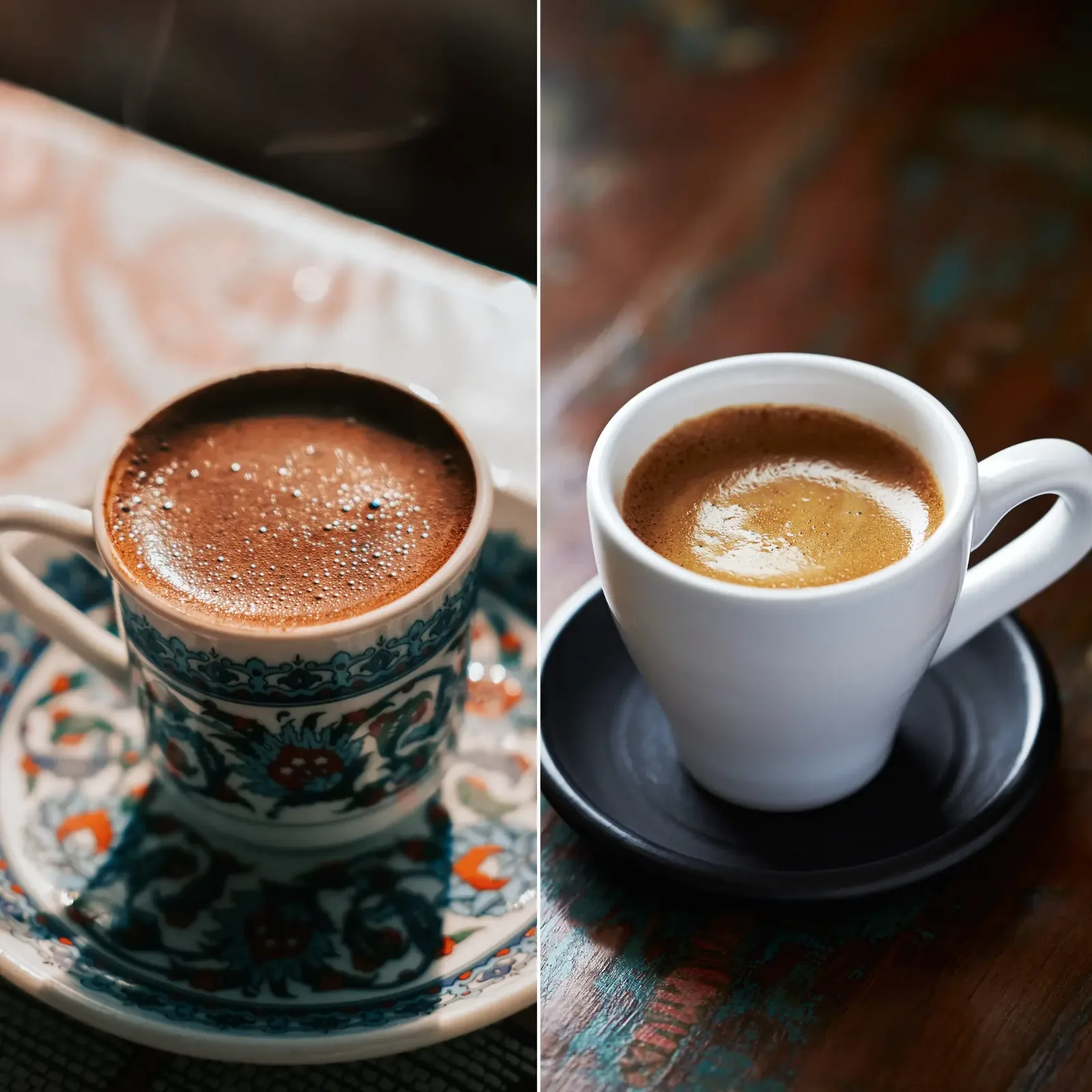
Both arrive in a small cup, both are dark, and both will wake you up. That is where the resemblance ends: they use different grinds, are brewed in completely different ways, and produce cups that behave differently from the first sip.
Turkish coffee vs espresso: opposite mechanisms
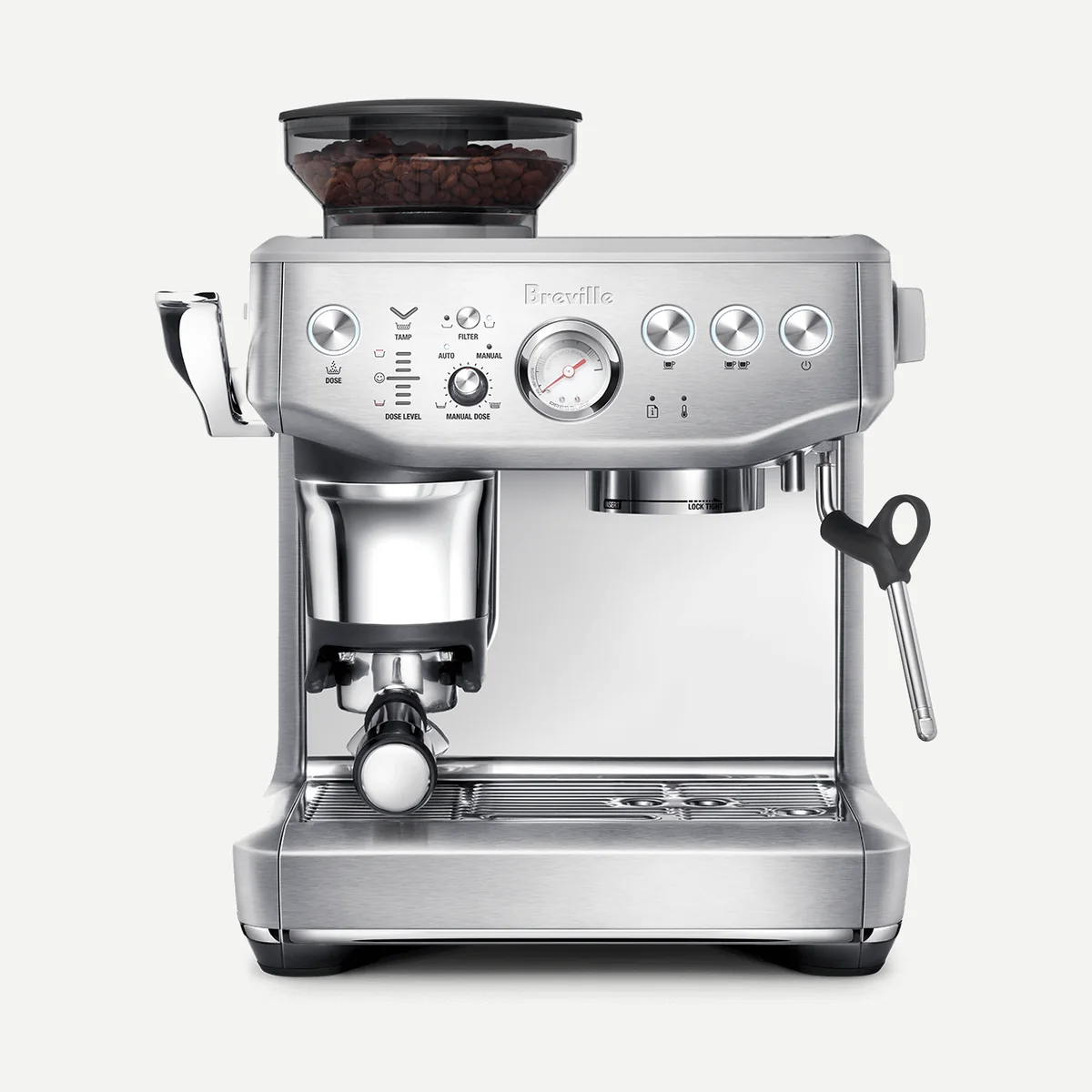
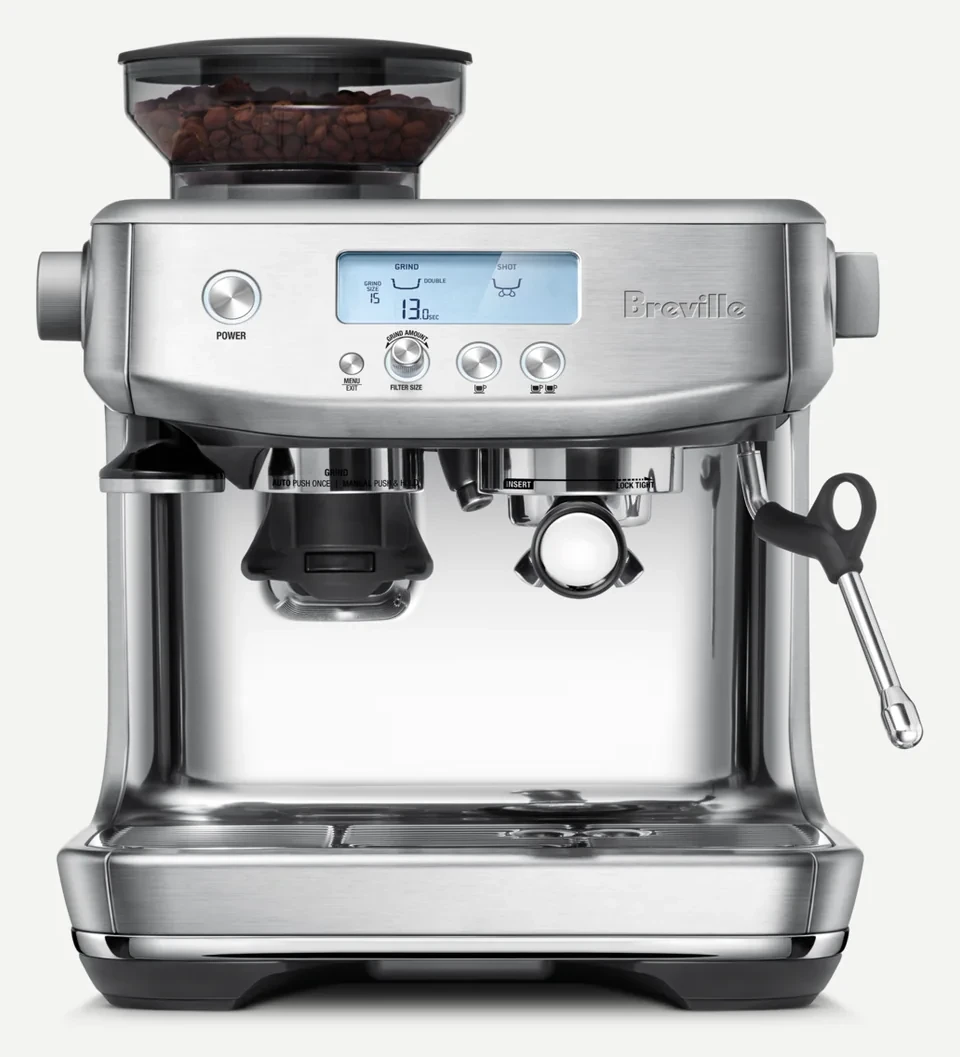
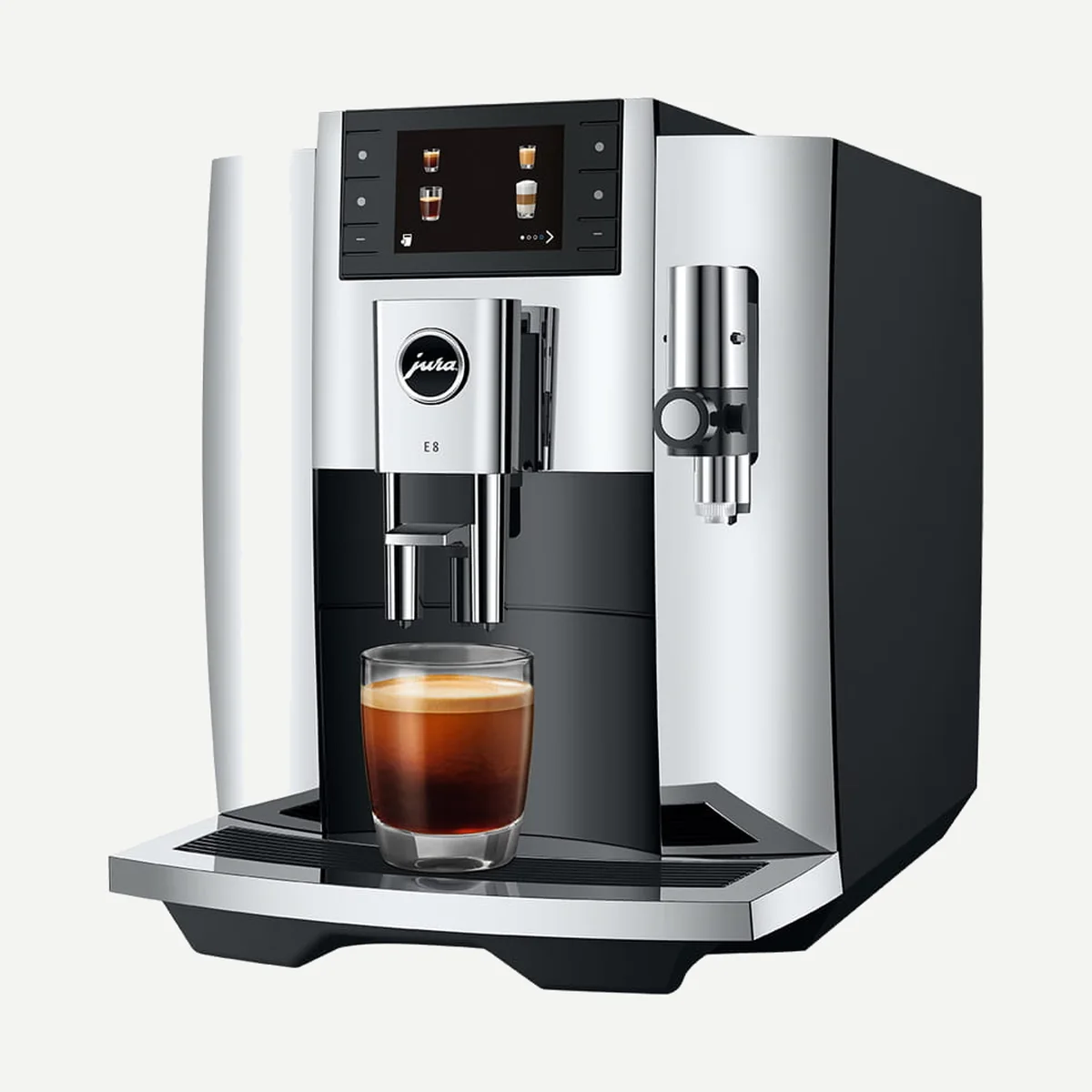
Espresso is pressure. Around nine bars pushes hot water through a compacted bed of fine coffee in twenty-five to thirty seconds. It is fast, forceful and filtered by a metal basket that holds the grounds back.
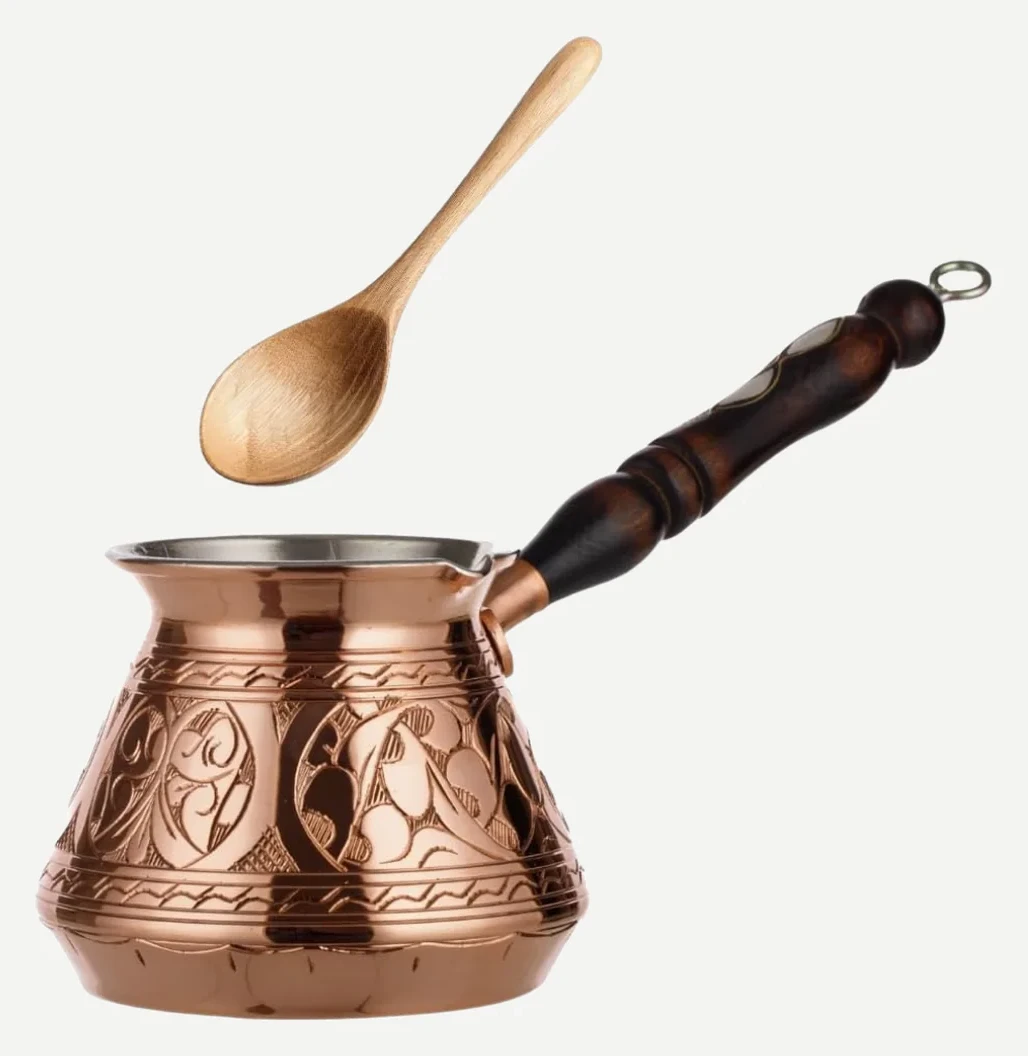
Turkish coffee is patience. Powder-fine coffee is simmered with water in an open Turkish cezve over low heat for several minutes, at no pressure. Nothing filters it, so the grounds go into the cup and settle.
Turkish coffee vs espresso side by side
- Grind. Turkish is finer, by a lot. Espresso is fine; Turkish is flour.
- Time. Under thirty seconds against three to five minutes.
- Filtration. Espresso is filtered by the basket. Turkish coffee is not filtered at all.
- Body. Espresso is syrupy from emulsified oils. Turkish is heavy and slightly gritty from suspended solids.
- Head. Espresso has crema, from gas and oils under pressure. Turkish has foam, from heating. They look similar and are not related.
- Sweetening. Espresso is sweetened at the table. Turkish coffee is sweetened before brewing, and asking for it a certain sweetness is an instruction to the person making it.
Which is stronger, Turkish coffee or espresso?
The question people mean is caffeine, and the answer is closer than expected.
Per millilitre, espresso is more concentrated. Per serving, they are comparable, and Turkish coffee often edges ahead because the grounds remain in the cup and continue to release caffeine while you drink. A demitasse of Turkish coffee is also frequently larger than a single espresso.
By taste, Turkish reads as heavier and espresso as more intense, which is texture rather than dose.

What Turkish coffee and espresso are each good at
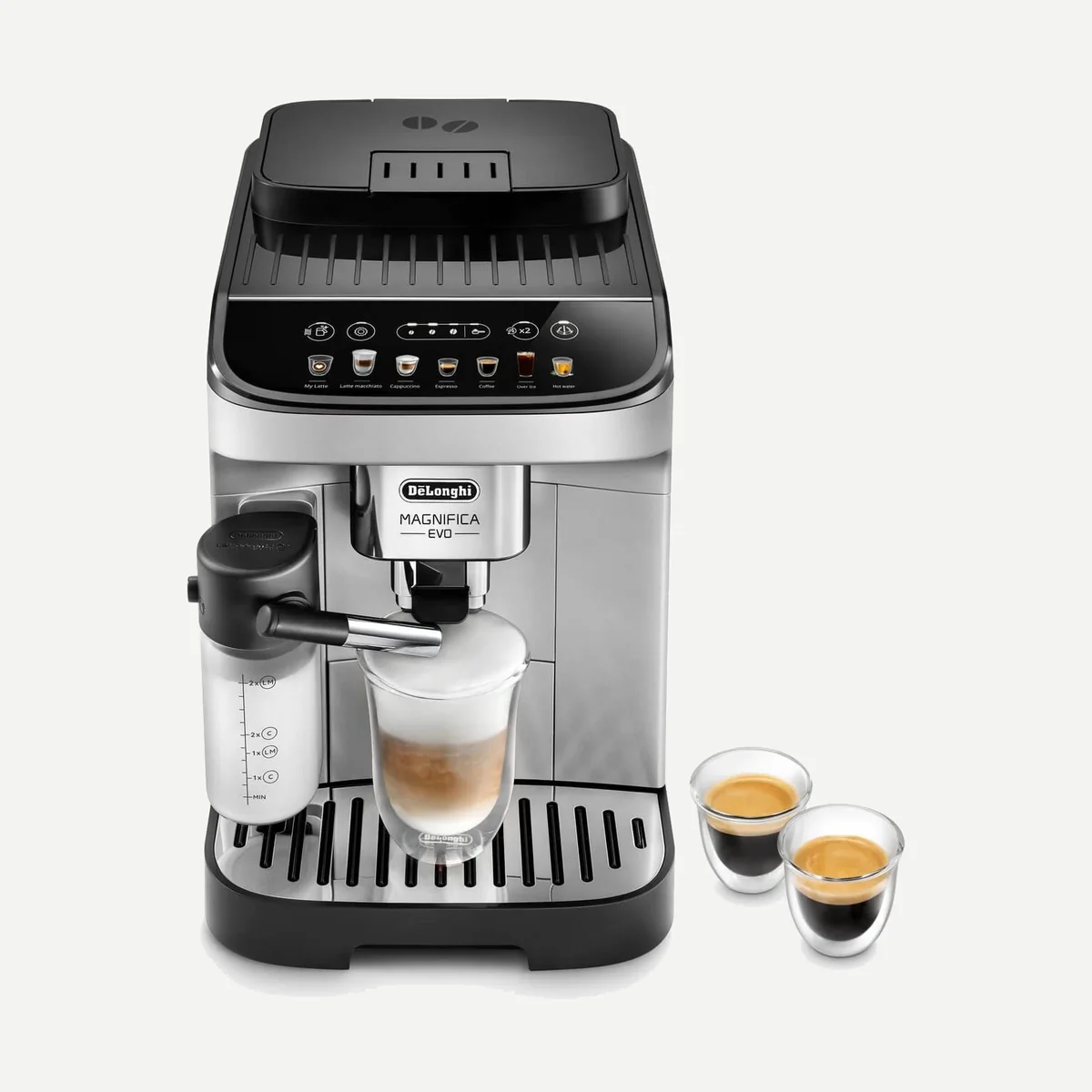
Espresso is a base. It exists to be built on, which is why an entire menu of milk drinks sits on top of it and why the shot is judged partly on how it behaves under milk.
Turkish coffee is finished. Nothing is added to it and nothing is built from it, and the ritual around serving it is not decoration but the point. See how to make it at home, and why sand rather than a burner in the places that take it most seriously.
Turkish coffee or espresso: which should you buy?
A good espresso machine is a large, expensive appliance that opens up a whole menu. A cezve costs very little and does exactly one thing extremely well.
If you want lattes and flat whites, only one of these is relevant. If you want a small strong coffee and a few minutes of doing something with your hands, the cheap one wins comfortably.
Turkish coffee cups vs espresso cups
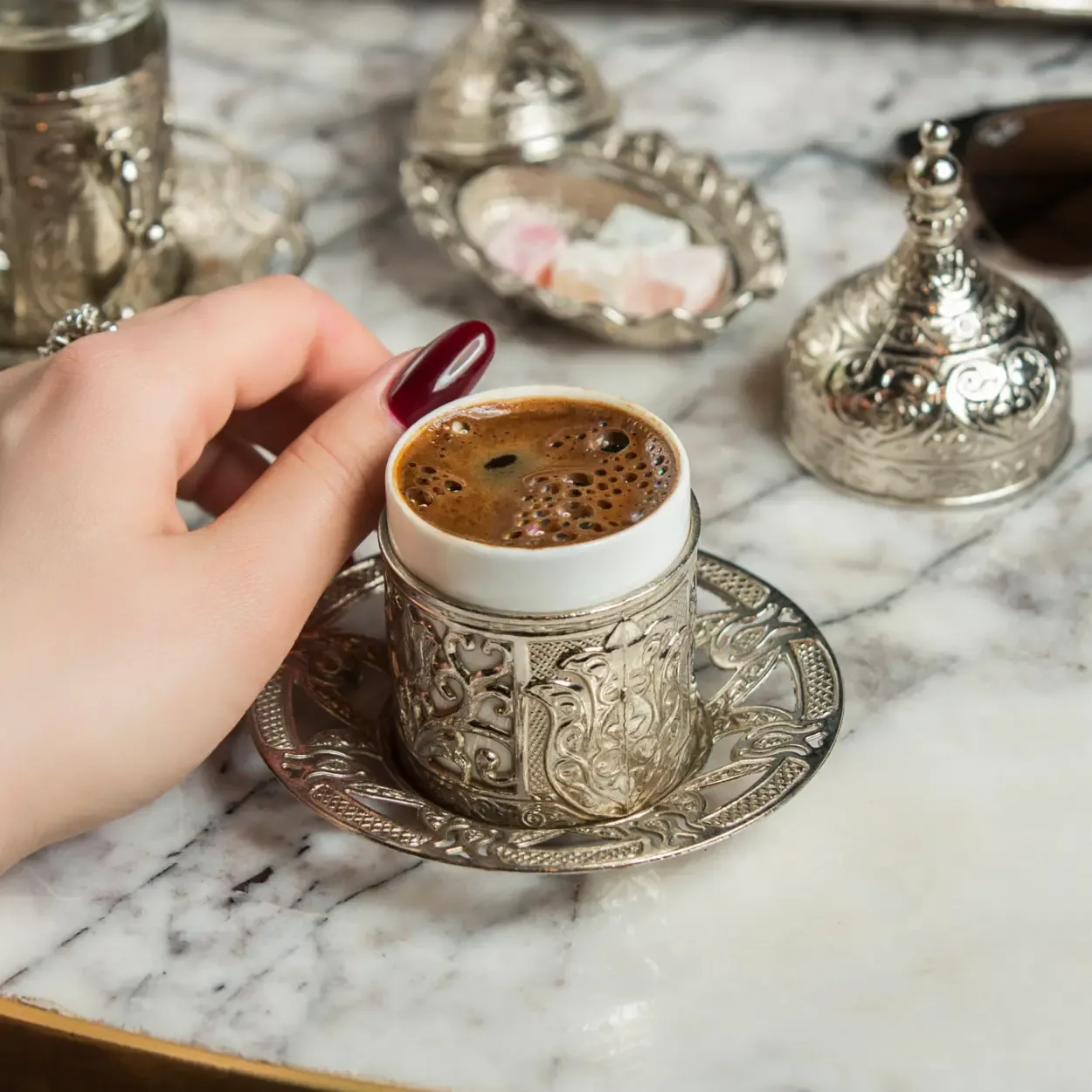
Both are called demitasse and neither holds the same amount. A Turkish fincan runs to roughly 60 to 80 ml and is filled most of the way. An espresso cup is usually 60 to 90 ml and holds a 30 ml shot in the bottom of it.
The thick walls do different jobs too. An espresso cup is preheated to stop a small volume cooling in seconds. A fincan is not, because the coffee arrives near boiling and wants to lose heat before anyone drinks it.
How to drink Turkish coffee and espresso
Espresso is drunk quickly, within a minute or two, while the crema is still on it. Left standing it separates and turns bitter, and the Italian habit of taking it at the bar is a practical response to that rather than a custom.
Turkish coffee is drunk slowly, and never to the bottom. Let it stand a minute or two after it is poured so the grounds settle. Then sip without swirling, and stop when the liquid starts to thicken. The last centimetre is mud, and drinking it is the mark of someone who has not had it before.
That settled layer is also what the cup is read from afterwards, which only works if you left it there.
Turkish coffee vs espresso FAQ
Which is stronger, Turkish coffee or espresso?
Per serving they are close, and Turkish coffee often comes out slightly higher because the grounds stay in the cup and keep giving up caffeine. Per millilitre espresso is more concentrated.
Is Turkish coffee just unfiltered espresso?
No. Espresso is made by forcing hot water through a compacted bed at around nine bars of pressure in under thirty seconds. Turkish coffee is simmered gently in an open pot for minutes with no pressure at all.
Can I use Turkish grind in an espresso machine?
No. It is far too fine and will choke the machine, producing a trickle or nothing, and it risks the pressure relief. Turkish grind is finer than espresso by a wide margin.
Which has more crema?
Espresso has crema, which is emulsified oils and dissolved gas from pressure brewing. Turkish coffee has foam, which is a different thing produced by heating rather than pressure.