What Is Drip Coffee?
Drip coffee is hot water passed once through ground coffee in a filter. It is the everyday coffee of American kitchens and offices, and a few specifications decide whether a machine makes it well.
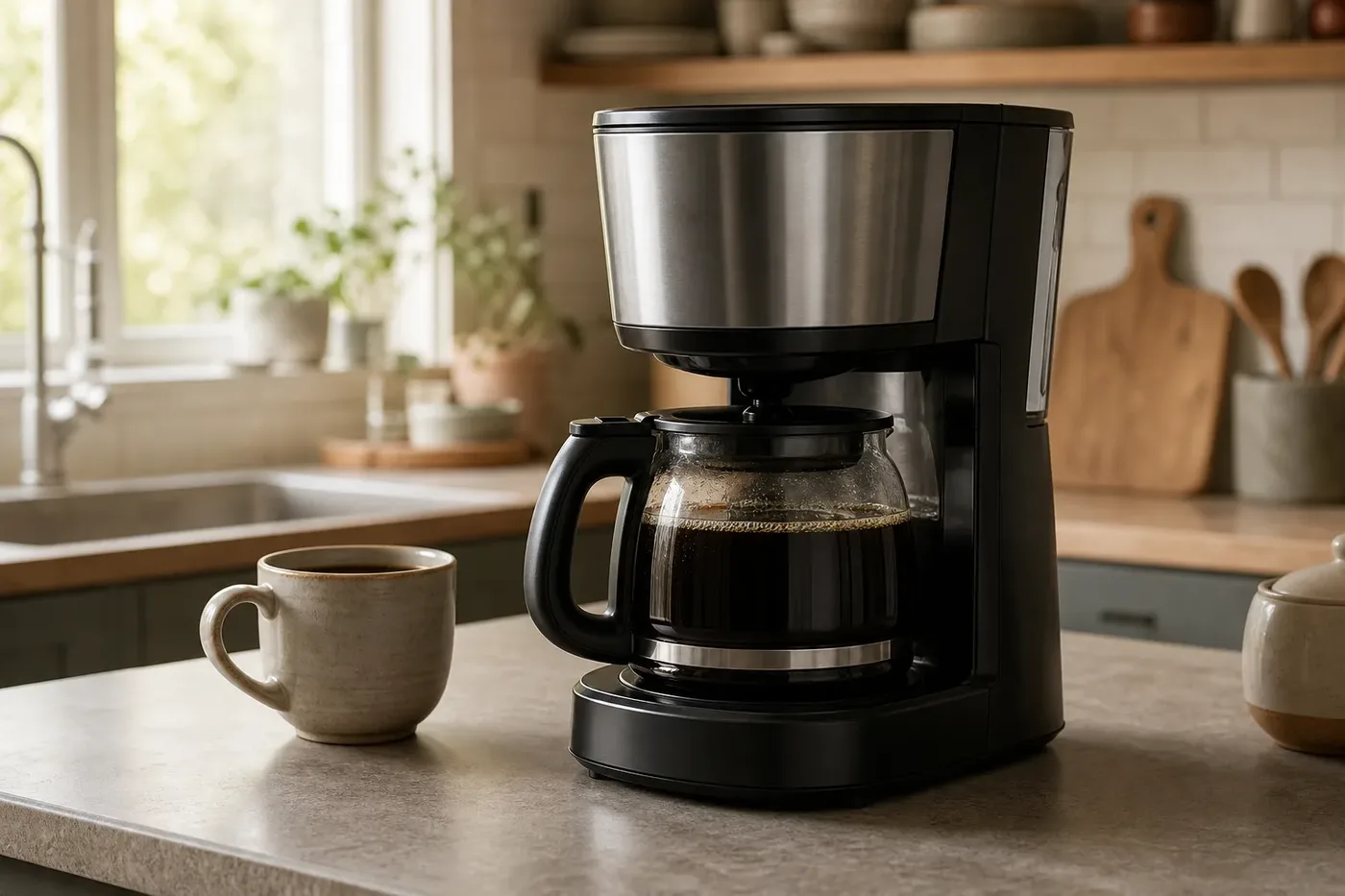
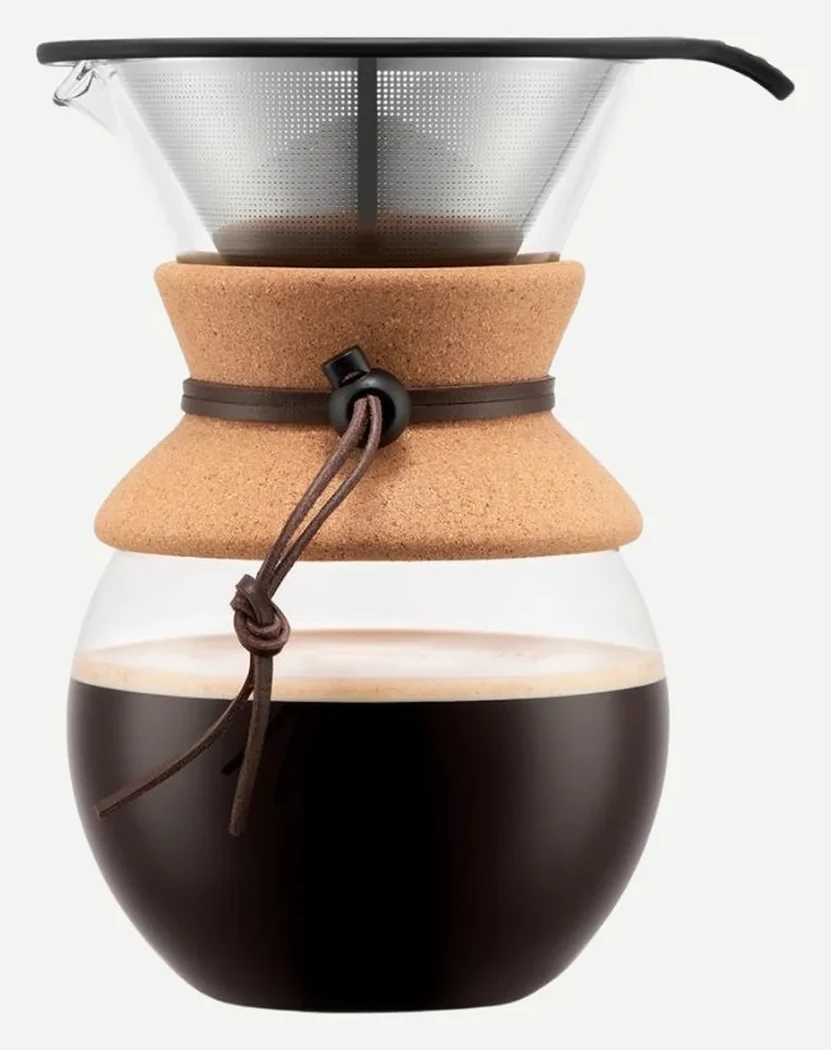
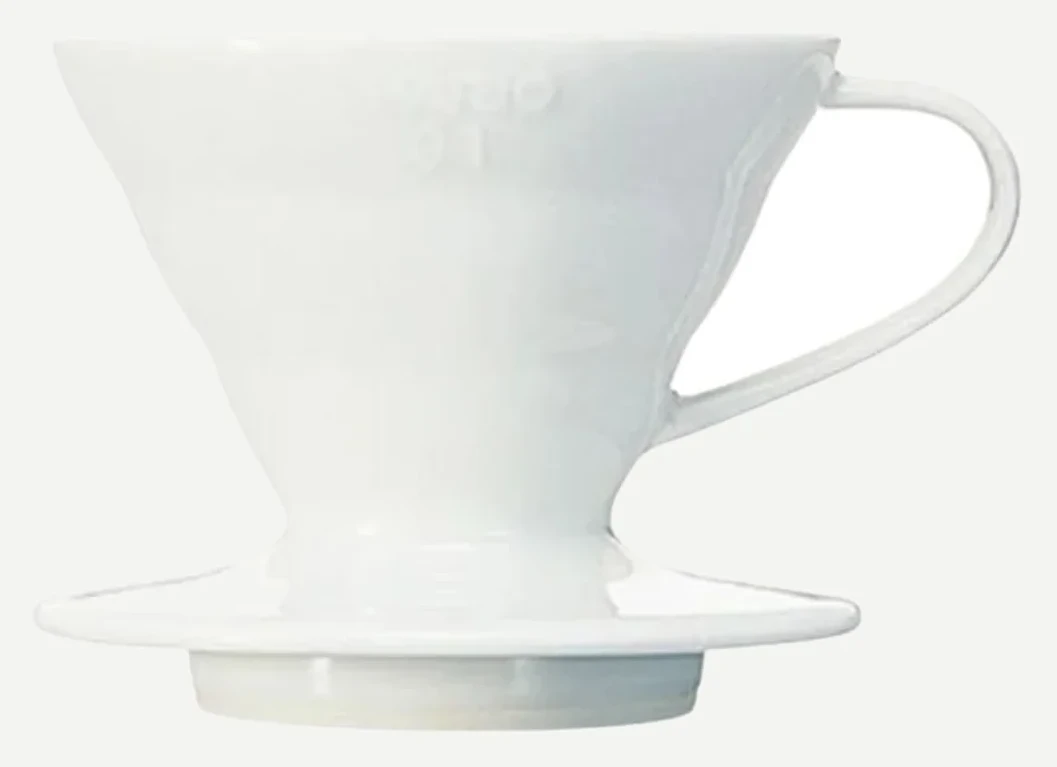
Drip coffee is made by letting hot water drip through ground coffee held in a filter, so the brewed coffee falls into a carafe or cup below. The water passes through the grounds once. An automatic drip coffee maker heats the water and spreads it over the coffee for you; pour over is the same idea done by hand.
How a drip coffee maker works
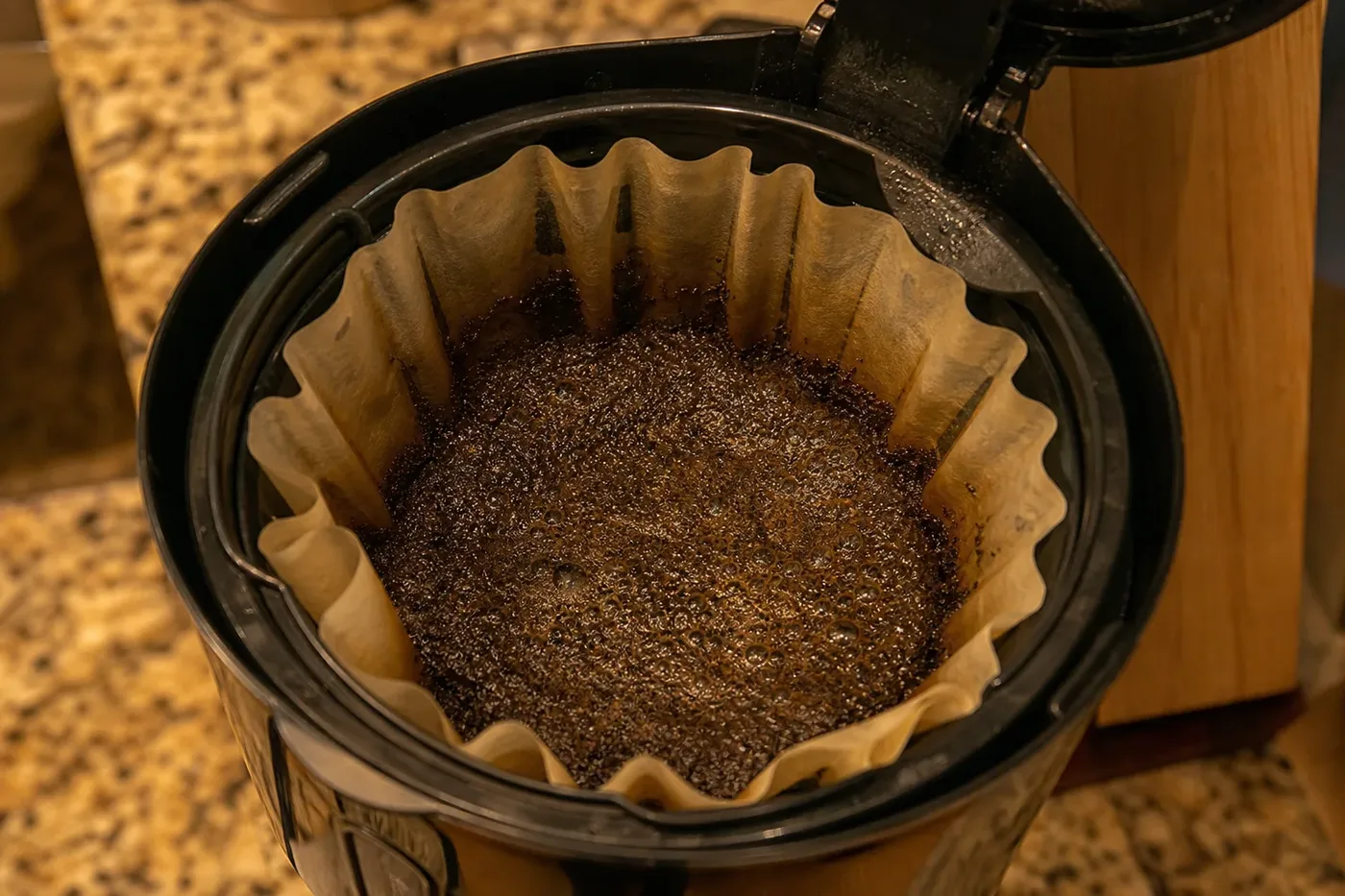
The machine heats water from its reservoir and releases it over a basket of ground coffee sitting in a paper or permanent filter. The water soaks through, dissolves the coffee's flavour and drains into the carafe. That single pass is the difference from a percolator, which, as Breville explains, cycles hot water back over the grounds again and again. Drip coffee comes out cleaner and crisper; percolator coffee comes out much stronger, with more of the oils left in.
The brewing method behind it, water flowing through coffee rather than steeping in it, is called percolation, and it is compared with steeping in immersion vs percolation.
A short history
The paper filter that made drip coffee practical came from a German home cook, Melitta Bentz, who registered her coffee filter with the Imperial Patent Office in Berlin on 8 July 1908. Automatic drip machines reached American homes in the early 1970s, with Mr. Coffee among the first, and they soon replaced the percolator as the standard way to make coffee at home.
What makes good drip coffee
The Specialty Coffee Association sets out what good brewed coffee needs, and the same numbers are the test for a good machine.
- Ratio. About 55 grams of coffee per litre of water, give or take 10 percent. Working that out for your own pot is covered in coffee to water ratio.
- Water temperature. 200 degrees Fahrenheit, plus or minus 5, or 94 Celsius plus or minus 2, at the point where the water meets the coffee. Not every machine reaches it, which is part of what the SCA's certification tests.
- Contact time. About 4 to 6 minutes for a drip grind. Too fast tastes thin and sour; too slow tastes bitter.
- Even wetting. A showerhead that spreads water across the whole bed extracts more evenly than a single stream.
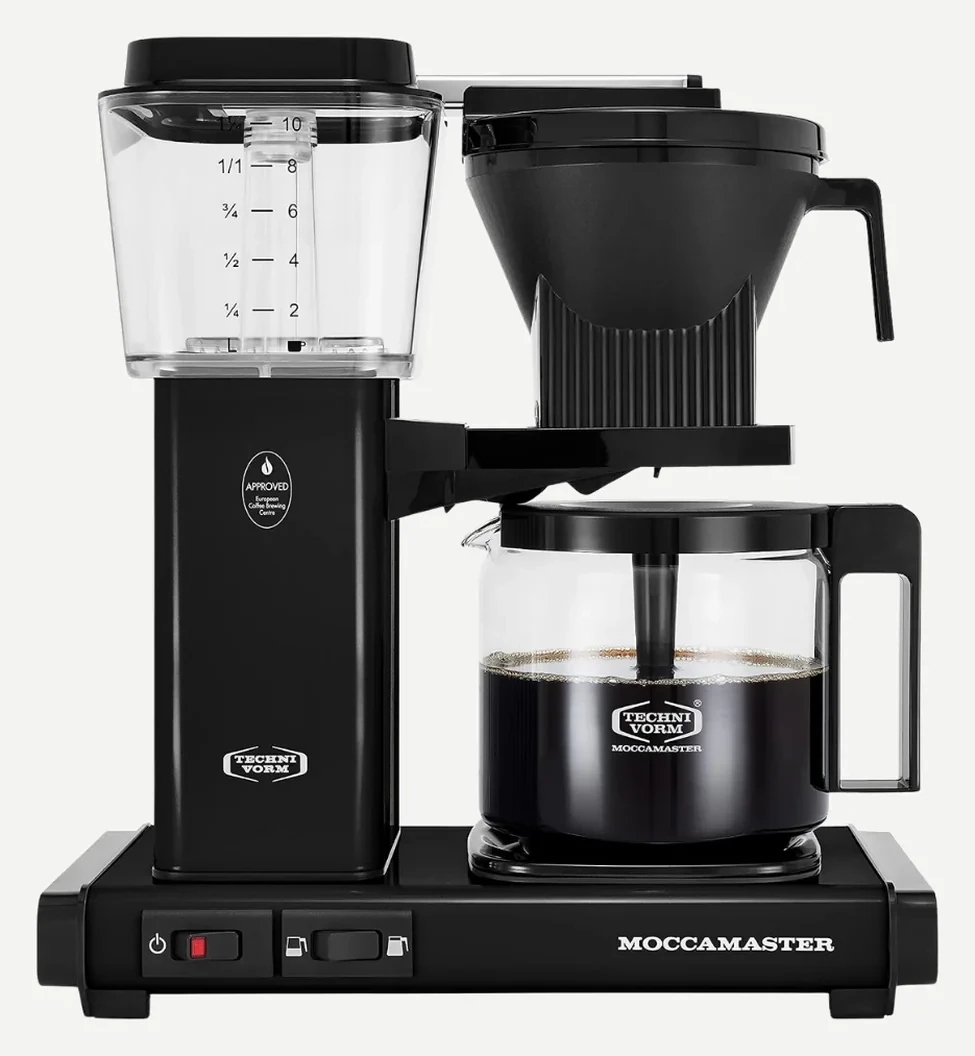
The SCA also runs a Certified Home Brewer program, testing machines against its standards, so a certification badge on the box is a useful shortcut. The Technivorm Moccamaster KBGV Select is one of the best known certified brewers.
Hotplate or thermal carafe
A glass carafe sits on a hotplate that keeps the coffee warm by heating it, and the longer it sits, the more it cooks and turns bitter. A thermal carafe is insulated instead: Moccamaster describes its glass-lined stainless steel carafe as keeping coffee hot all morning without a heat source. If coffee often sits for more than half an hour, choose a thermal carafe. Some brewers leave the hotplate out on purpose: the Ratio Eight Series 2 has none, because Ratio says hotplates overheat the coffee, and offers a thermal carafe for it instead.
Grind and filters
Drip coffee usually calls for a medium grind, finer than for a French press and coarser than for espresso. The right setting for each brewer is in our grind size guide. Machines take either cone or flat-bottom basket filters, and using the right shape and size matters more than the brand, as explained in paper coffee filters.
Drip vs pour over
Pour over is manual drip coffee: you pour the water yourself, so you control temperature, speed and timing exactly. It can taste better, but it takes attention and makes a cup or two at a time. An automatic drip machine does it unattended and makes a full pot. The manual method is explained in how to make pour over coffee, and the machines are scored in our drip coffee maker reviews.
Common questions
What is drip coffee?
Coffee made by dripping hot water through ground coffee in a filter, usually in an automatic drip coffee maker, so the brewed coffee collects in a carafe below.
What temperature should a drip coffee maker brew at?
The Specialty Coffee Association recommends 200 degrees Fahrenheit, plus or minus 5, at the point where the water meets the coffee.
How much coffee do you use for drip coffee?
The SCA recommends about 55 grams of coffee per litre of water, give or take 10 percent.
Is drip coffee the same as pour over?
They work the same way, water passing once through coffee in a filter. Pour over is done by hand; a drip coffee maker does it automatically.