What is a blade grinder?
A small propeller in a cup. It does not grind coffee so much as hit it repeatedly.
BLACK+DECKER publishes stainless steel blades and a stainless steel bowl, one-touch push-button control that it says lets you customise grind consistency from coarse to fine, a lid-locking safety mechanism so the blades only run with the lid secured, a capacity of up to 12 cups of coffee, and suitability for coffee beans, herbs, spices and grains.
Why a blade grinder cannot produce an even grind
This is not a criticism of this product. It is how the mechanism works.
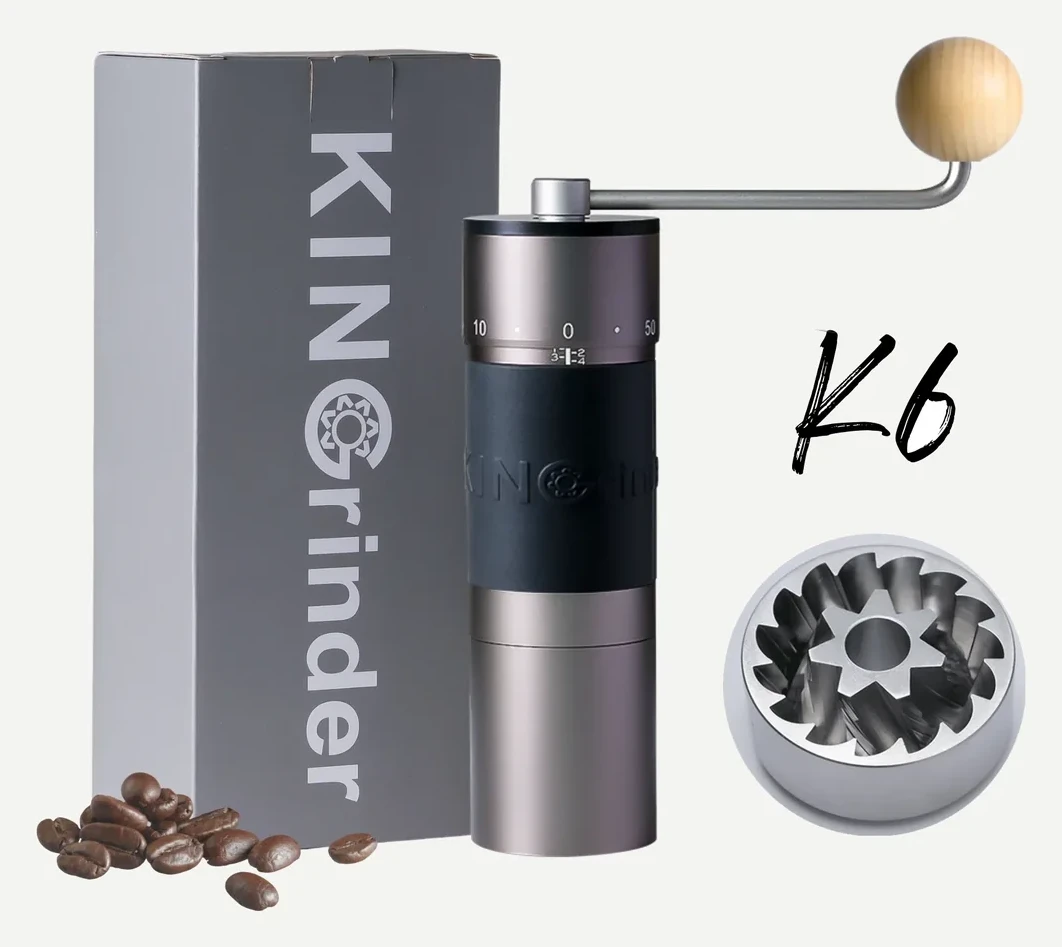
A burr grinder passes beans through a fixed gap between two abrasive surfaces. A particle small enough to fall through the gap leaves; anything bigger stays and gets milled again. The gap sets the size, so the output clusters around one size.
A blade grinder has no gap and no size reference. It smashes whatever it hits, and what it hits is random. Particles that get struck early become dust; particles that sit at the edge stay as boulders. Running it longer does not make the grind finer and more even, it makes more dust while boulders survive.
The consequence in the cup is that both are extracted at once. The dust over-extracts and tastes bitter and harsh, the boulders under-extract and taste sour and thin, and you drink the average. That is the specific reason every guide on this site recommends a burr grinder, and it is why this one scores zero on grind consistency here.
What the listing claims, and what to make of it
Two claims worth reading carefully.
The listing says the blades deliver "uniform grinds with every use". A blade grinder cannot deliver a uniform grind, for the reason above. It says the button lets you "customise the grind consistency, from coarse to fine", which describes controlling the average by timing, not selecting a size.
It also claims "30%* BETTER GRINDING". The asterisk normally points at a comparison, and no referent is published anywhere on the page: better than what is not stated. We record that the claim exists and that it cannot be checked.
None of this makes the product bad at what it is. It makes the marketing describe something the mechanism cannot do.
What it is genuinely good at
Spices, and that is not a consolation prize.
For peppercorns, cumin, coriander, dried chillies or a spice blend, a blade grinder is the right tool. Spices are used in small quantities where evenness barely matters, they are hard and dry, and a burr grinder would be clogged and ruined by the oils. A dedicated spice grinder is a genuinely useful kitchen object.
It is also fast, costs very little, has a lid-lock so it cannot run open, and cleans easily. With 19,420 reviews it is one of the most-owned grinders in America, and most of those owners are not unhappy.
If you own one and want better coffee
The upgrade path is a burr grinder, and it does not have to be expensive.
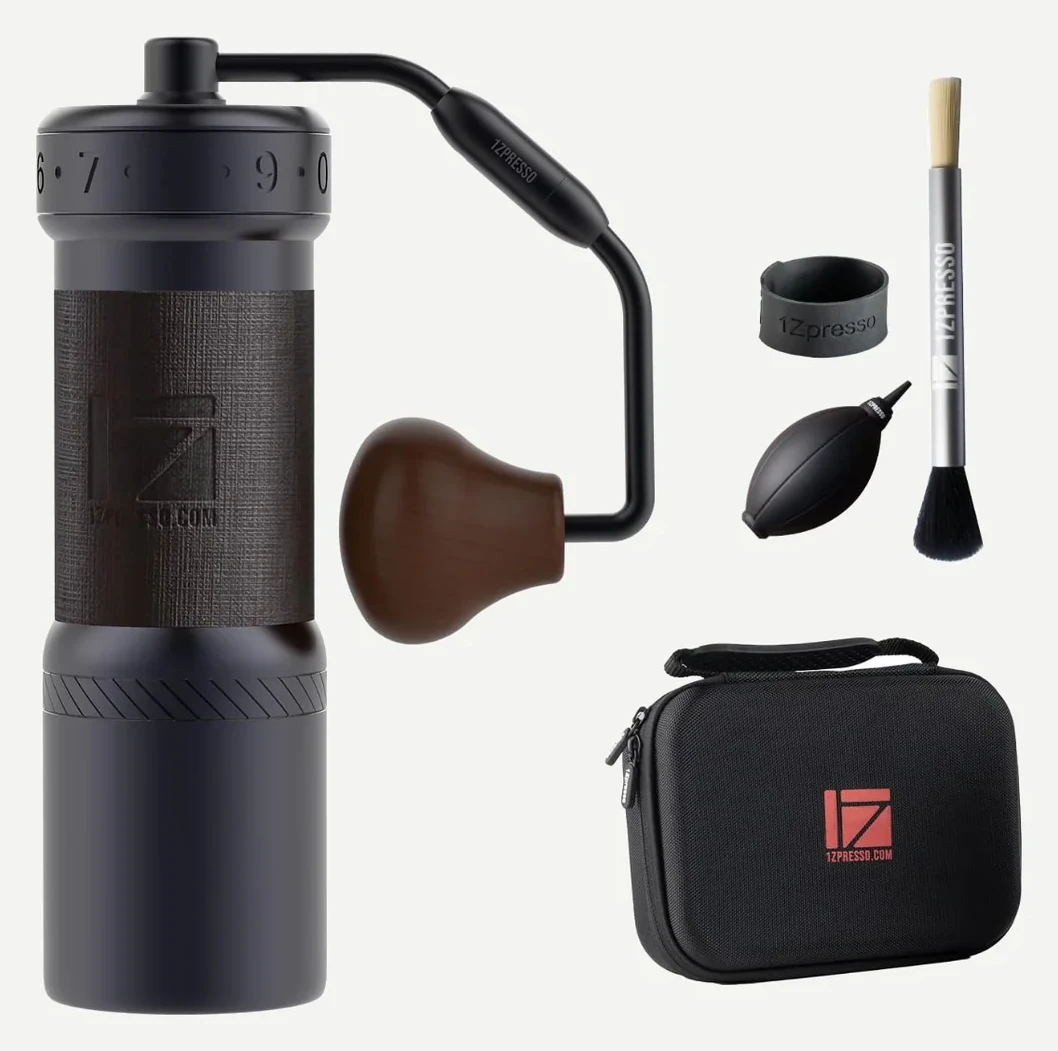
A hand grinder like the Timemore Chestnut C2 costs modest money and will transform a cup more than any brewer upgrade will. If you want electric, the 12oz OXO Brew grinder is the usual first step.
Keep the blade grinder for spices. That is genuinely the best outcome, and buying a burr grinder does not make this one useless.
Is it worth it?
Worth it as a spice grinder. Not the way to grind coffee.
It costs very little and does its actual job well. Judged as a coffee grinder it is the weakest option here and the scoring says so, which is the point of listing it.
BLACK+DECKER publishes no burr type beyond blades, no settings, no retention, no motor power, no warranty term and no country of manufacture. There are no grind settings to publish, because there are none.
Who should buy it (and who should not)
Buy it for spices, or as a stopgap.
It suits a kitchen that grinds whole spices, a very tight budget, or a second property where a good grinder is not going to live.
Do not buy it to make good coffee, and do not buy it expecting to control grind size, because the button controls time and nothing else.
Frequently Asked Questions
Are blade grinders bad for coffee?
They cannot produce an even grind, because there is no gap setting the particle size. You get dust and boulders together, which extract at different rates in the same brew.
Can you make it grind coarser?
Not really. Running it for less time gives a coarser average with the same mixture of sizes. There is no setting.
What is it actually good for?
Spices, herbs and grains, where evenness matters little and coffee oils would foul a burr grinder.
What does "30% better grinding" mean?
The listing does not say what it is 30% better than. No referent is published, so it cannot be checked.
What should I buy instead for coffee?
Any burr grinder. A hand grinder costs modest money and improves the cup more than a better brewer would.