What is Dipsea Espresso?
The espresso Equator made for comfort: chocolate, spice and a little jammy fruit.
Dipsea is Equator's everyday espresso blend. Equator says it set out to recreate the smooth, easy-going flavours that made many people fall in love with espresso, and its Director of Coffee Culture calls it "a chocolate bomb", like a malted milk ball, that pairs very well with milk. The listed notes are dark chocolate, cinnamon, graham cracker and berry jam. It is roasted medium.
What is in the blend
A natural Brazilian base, lifted by two washed coffees.
- Brazil, Norte Pioneiro, Parana. The base: a natural-process coffee from Capricornio Coffees, Bourbon, Mundo Novo, Catuai and Tupi at 3,000 to 3,600 feet. It brings the nutty Brazilian character and the fruit.
- Guatemala, Atitlan. Bourbon, Catuai and Caturra at 3,900 to 5,900 feet, washed, for body and notes of chocolate and baking spice.
- Colombia, Boyaca and Cundinamarca. Castillo and Colombia at 3,900 to 6,500 feet, washed, whose citrus-like acidity lifts the rest.
These are the same three origins as Equator's Sunnyside Breakfast Blend, weighted and roasted for espresso rather than drip: here the natural Brazil leads.
How to pull it
Equator's recipe, and what to change.
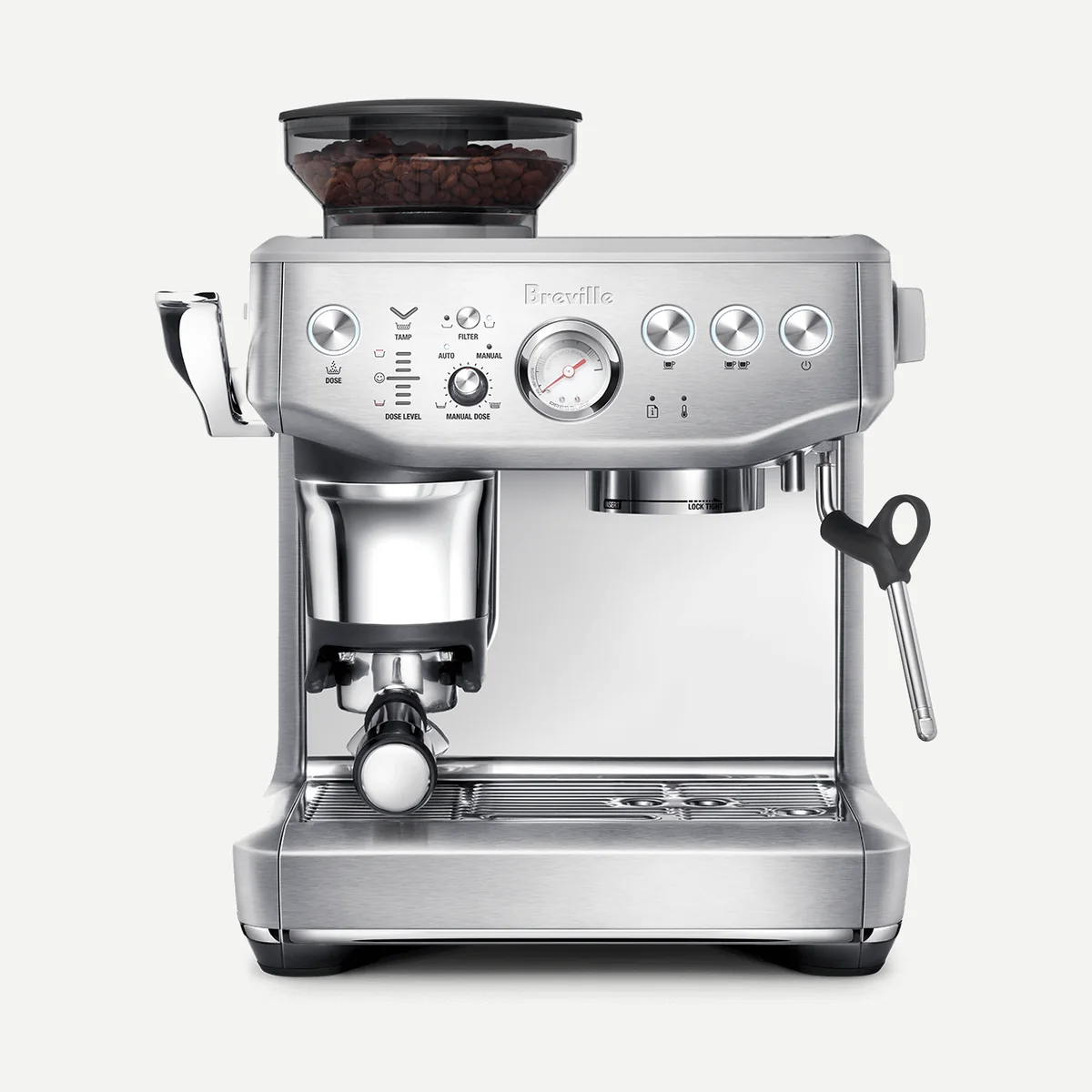
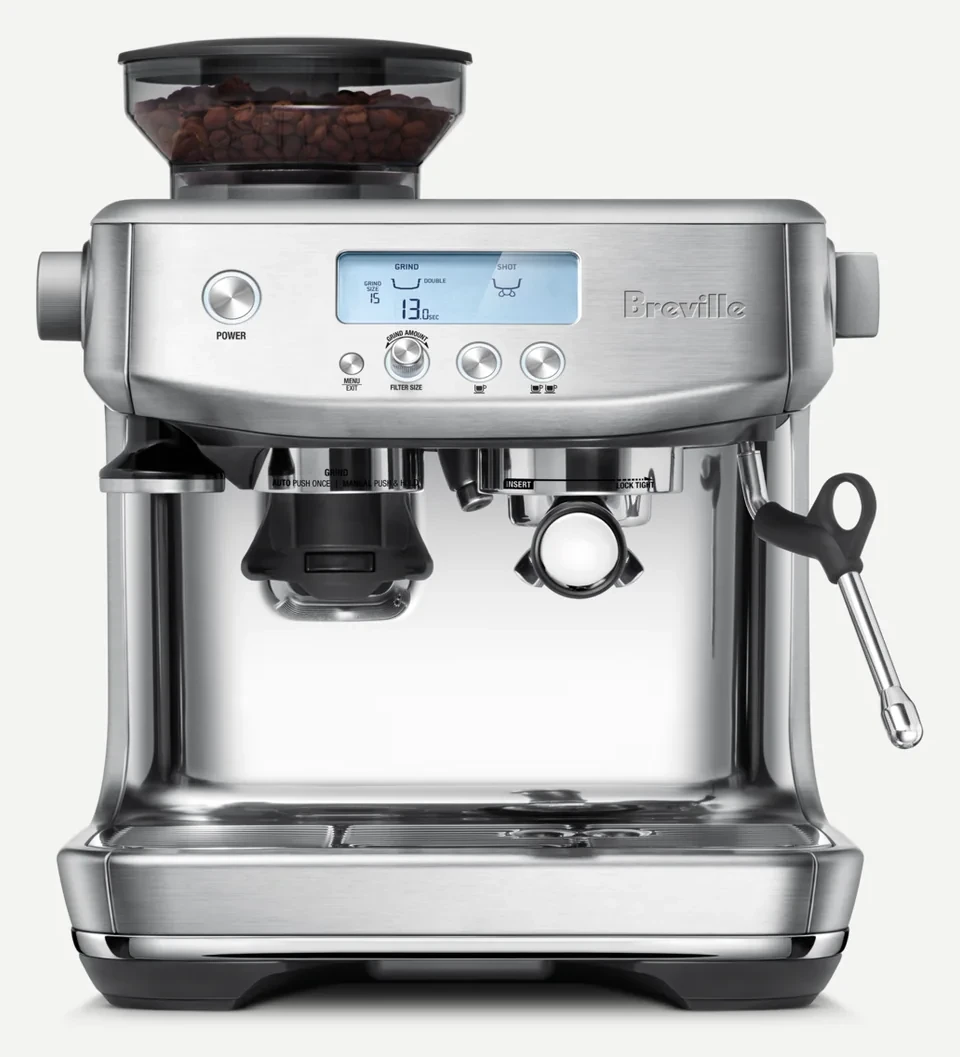
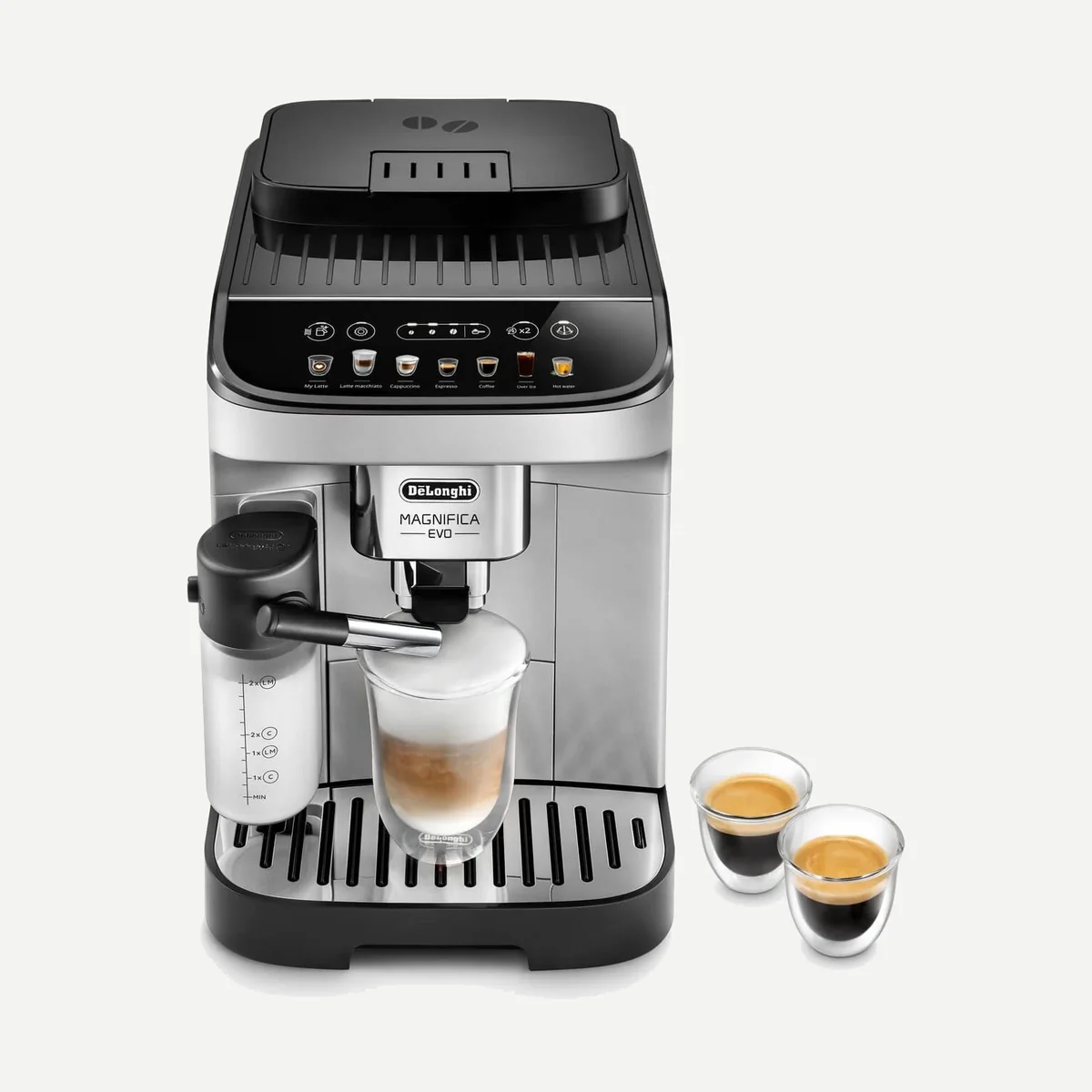
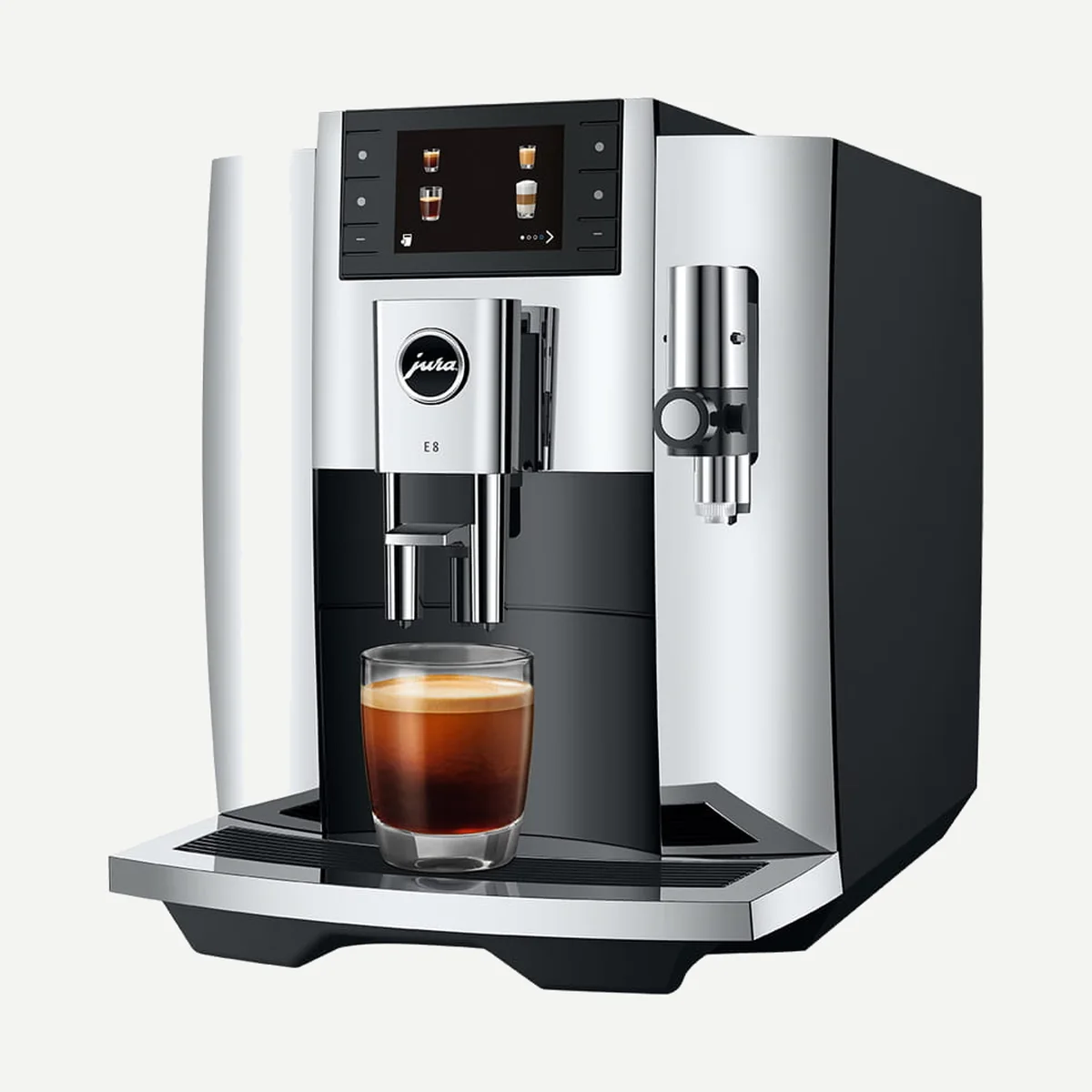
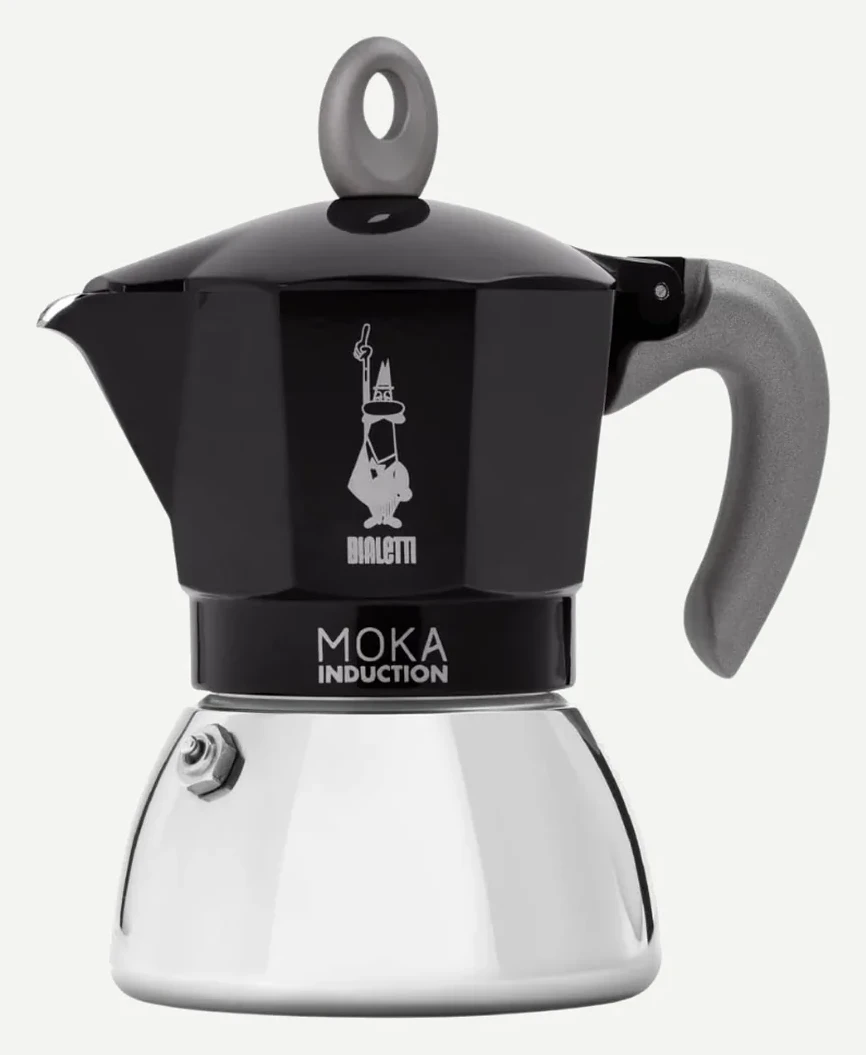
Equator's recipe, written for a Breville Barista Express, is 18 g of coffee at a ratio of 1:2.2, which is 39.6 g of espresso in the cup, in 24 to 26 seconds. That is a slightly longer shot than a classic 1:2, which suits a medium roast: it pulls out more sweetness without the bitterness a darker roast would give. If it tastes sour, grind finer; if bitter, coarser. It also has a moka pot recipe (30 g to 300 g of water) and an AeroPress one (18 g to 200 g). If you are buying a machine to use it with, our espresso machine reviews compare every machine we have scored.
How fresh it arrives
Roasted after you order, with the date on the bag.
Equator roasts to order in small batches at its roastery on Jordan Street in San Rafael, California, Monday to Friday, and says orders ship from the roastery in one to two business days. The bag carries a ROASTED ON date on the bottom, so you can see exactly how old the coffee is rather than trusting a best-before date set a year out. That is the single most useful thing a coffee bag can print, and most supermarket bags do not. Equator ships within the US only, free on orders of $50 or more.
What it costs
The same prices as Sunnyside, and the lowest Equator charges.
| Bag | Price | Per kilo | Per cup (15 g) |
|---|---|---|---|
| 340 g (12 oz) | $18.00 | $52.94 | $0.79 |
| 907 g (2 lb) | $41.00 | $45.20 | $0.68 |
| 2.27 kg (5 lb) | $96.00 | $42.33 | $0.63 |
Per-cup figures assume 15 g of coffee; a double shot at Equator's 18 g dose costs a little more. At $42.33 a kilo in the 5 lb bag, Dipsea is cheaper than Equator's other espressos. Espresso uses coffee quickly, so the bigger bags make more sense here than for filter coffee.
Dipsea vs Jaguar Espresso
Equator's two espressos: comfort against certification.
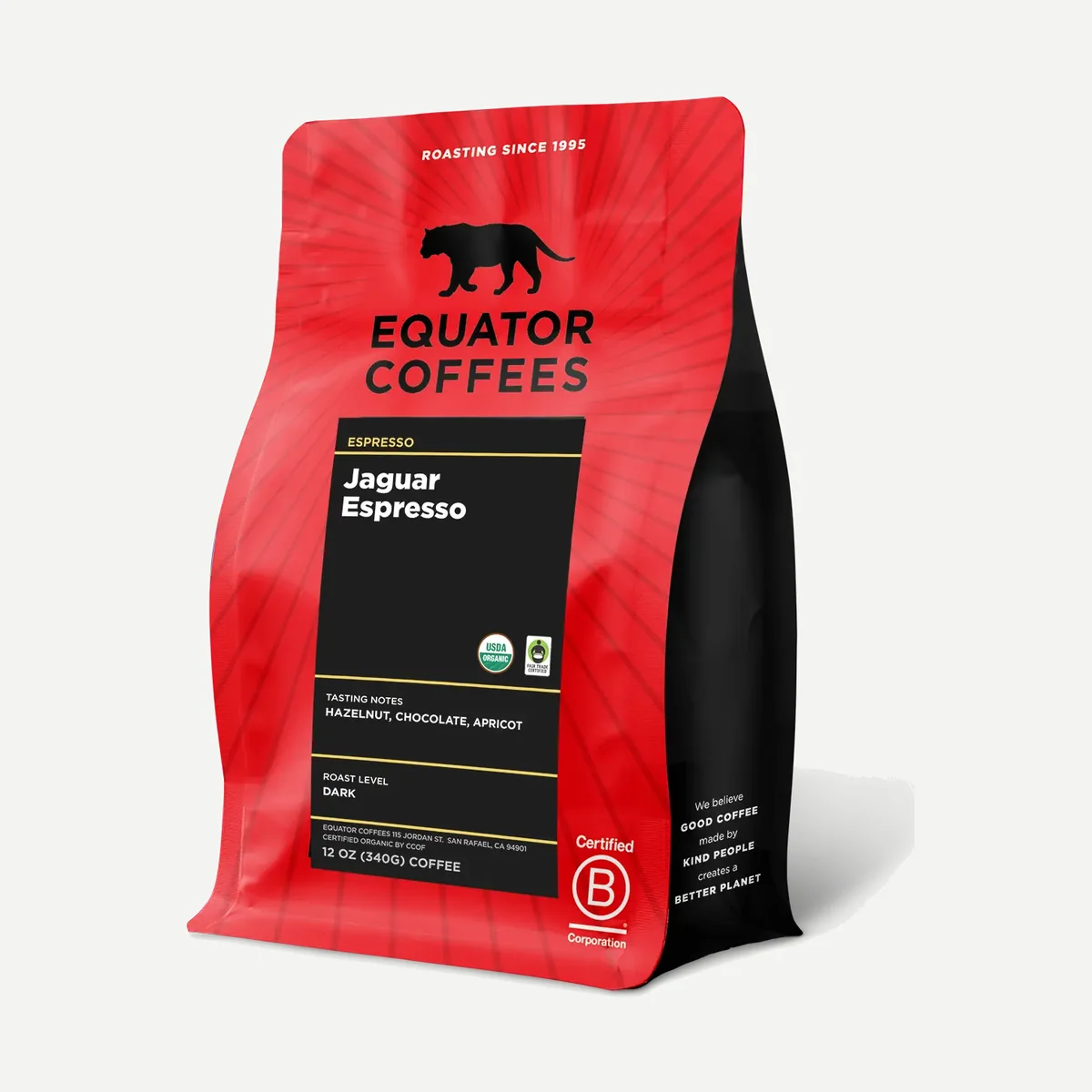
Jaguar Espresso is darker, built from two Honduran cooperative coffees and a Sumatran, and carries USDA Organic and Fair Trade certificates. It costs $19.50 for 12 oz. Dipsea is medium roast, uncertified and $1.50 cheaper, with more fruit and spice. Choose Jaguar for certified coffee or a darker shot; choose Dipsea for a sweet, chocolatey shot that works in a latte.
Using it in milk drinks
What a chocolate-led blend does under steamed milk.
Milk mutes acidity and fruit and amplifies sweetness and roast. That is why bright, light-roast single origins can taste thin in a latte while a chocolatey medium roast tastes like dessert. Dipsea is built the second way: the natural Brazilian base gives body and cocoa, the spice and graham cracker notes read as sweetness, and the washed Colombian keeps it from going flat. For a cappuccino or flat white, pull it at Equator's 1:2.2 and keep the milk at about 60 to 65 degrees, hot enough to steam well but not so hot that the milk's own sweetness cooks off.
Why the roast date matters
Coffee is at its best for weeks, not the year a best-before date implies.
Roasted coffee gives off carbon dioxide for days after roasting, which is why espresso tastes harsh and filter coffee bubbles hard in the first few days. After that it is at its sweetest for a few weeks, then slowly goes flat as the aromatic oils oxidise. A best-before date, usually set a year or more after packing, tells you nothing about where a bag sits on that curve. A printed roast date does. We list every coffee on the site that prints one in coffee with roast dates, and our scores give real weight to it.
Buy only what you will drink in about a month, keep it in the bag it came in or an airtight container, away from light and heat, and grind just before brewing. Do not keep beans in the fridge: they pick up moisture and smells.
Is Dipsea Espresso worth it?
For fresh, sweet espresso at a fair price, yes.
It is roasted to order, every component is named, and it is the cheapest Equator espresso per kilo. It is not a showcase single origin; for that, try Intelligentsia's Colombia Cauca Castillo. Our list of the best coffee beans for espresso compares it with other espresso coffees.
Who should buy it (and who should not)
Buy it if
- You make lattes and cappuccinos and want chocolate in the cup.
- You want espresso roasted to order, with the date on the bag.
- You get through enough coffee for the 2 lb or 5 lb bag.
Skip it if
- You want certified organic or Fair Trade espresso.
- You like bright, fruity light-roast espresso.
- You live outside the US.
Frequently Asked Questions
What does Dipsea Espresso taste like?
Equator lists dark chocolate, cinnamon, graham cracker and berry jam.
What is Equator's recipe for Dipsea?
18 g of coffee, a 1:2.2 ratio (39.6 g out), in 24 to 26 seconds.
Can I use Dipsea in a moka pot?
Yes. Equator gives a moka pot recipe of 30 g of coffee to 300 g of water.
How much is Dipsea Espresso?
$18 for 12 oz, $41 for 2 lb and $96 for 5 lb.