What is Peru Chirinos?
A single-origin Peruvian coffee from one cooperative, certified for how it farms the soil.
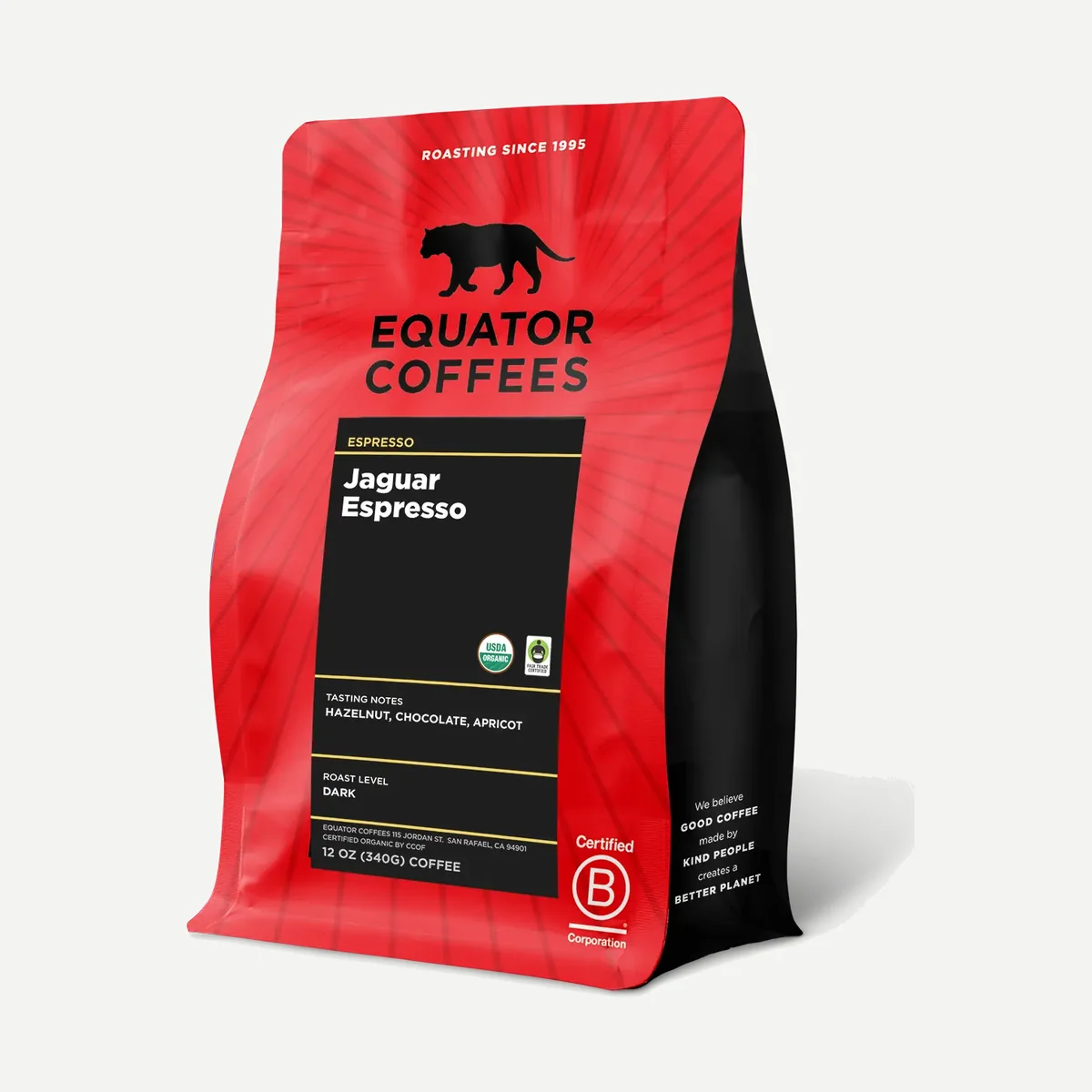
This is the most documented coffee in Equator's range. It comes from La Prosperidad de Chirinos, a cooperative founded in 1968 in the San Ignacio province of Cajamarca, in northern Peru. The varieties are Bourbon, Caturra and Typica, grown at 4,300 to 6,500 feet and washed. Equator roasts it medium-light and lists notes of hazelnut spread, fig and Asian pear, a full-bodied, approachable cup.
It is sold whole bean or ground in 12 oz, 2 lb and 5 lb bags. Equator tags it as a new product.
What Regenerative Organic Certified means
Organic, plus rules on soil health, animal welfare and fair treatment of farmers.
Regenerative Organic Certified is a newer standard built on top of organic certification. Organic says what a farm may not use; the regenerative standard adds requirements on building soil health and on social fairness for the people who farm. Equator says Chirinos was the first cooperative in Peru to earn it.
Some of how they meet it is on the page. Chirinos gives each of its 700 producers an experienced agronomist, and makes its own organic compost without pesticides using a system called gaichashi. Equator says the co-op also runs education, food security and land diversification programmes for its members, and that this is its eighth year of buying the co-op's coffee.
How fresh it arrives
Roasted after you order, with the date on the bag.
Equator roasts to order in small batches at its roastery on Jordan Street in San Rafael, California, Monday to Friday, and says orders ship from the roastery in one to two business days. The bag carries a ROASTED ON date on the bottom, so you can see exactly how old the coffee is rather than trusting a best-before date set a year out. That is the single most useful thing a coffee bag can print, and most supermarket bags do not. Equator ships within the US only, free on orders of $50 or more.
What it costs
A premium for the certification, eased by the bigger bags.
| Bag | Price | Per kilo | Per cup (15 g) |
|---|---|---|---|
| 340 g (12 oz) | $21.00 | $61.76 | $0.93 |
| 907 g (2 lb) | $47.75 | $52.65 | $0.79 |
| 2.27 kg (5 lb) | $112.00 | $49.38 | $0.74 |
At $21 for 12 oz it is $3 more than Equator's blends, and the per-kilo figure falls from $61.76 to $49.38 in the 5 lb bag. That is still well inside the range of specialty single origins on this site. Our coffee beans category compares prices across every roaster we cover.
How to brew it
A medium-light roast that suits filter brewing best.
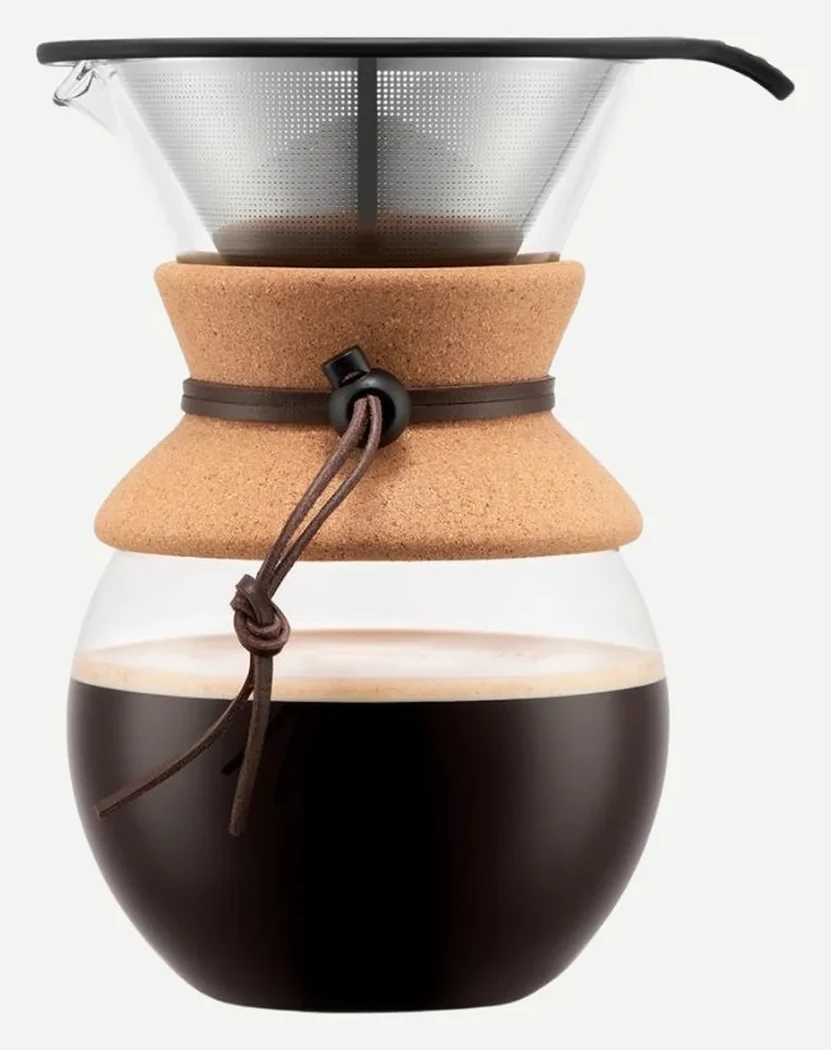
Equator gives three recipes. For a Chemex, 45 g of coffee to 720 g of water, bloomed with 90 g, then poured in three 210 g pours. For a drip brewer, 66 g to 1,000 g. For a French press, 45 g to 675 g, steeped four minutes. A medium-light washed coffee like this shows its fruit best through paper. Our guide on how to make pour-over coffee walks through the method.
Peru Chirinos vs Fresh Roasted Organic Honduran Marcala
Two organic single origins from named co-ops, at very different prices.
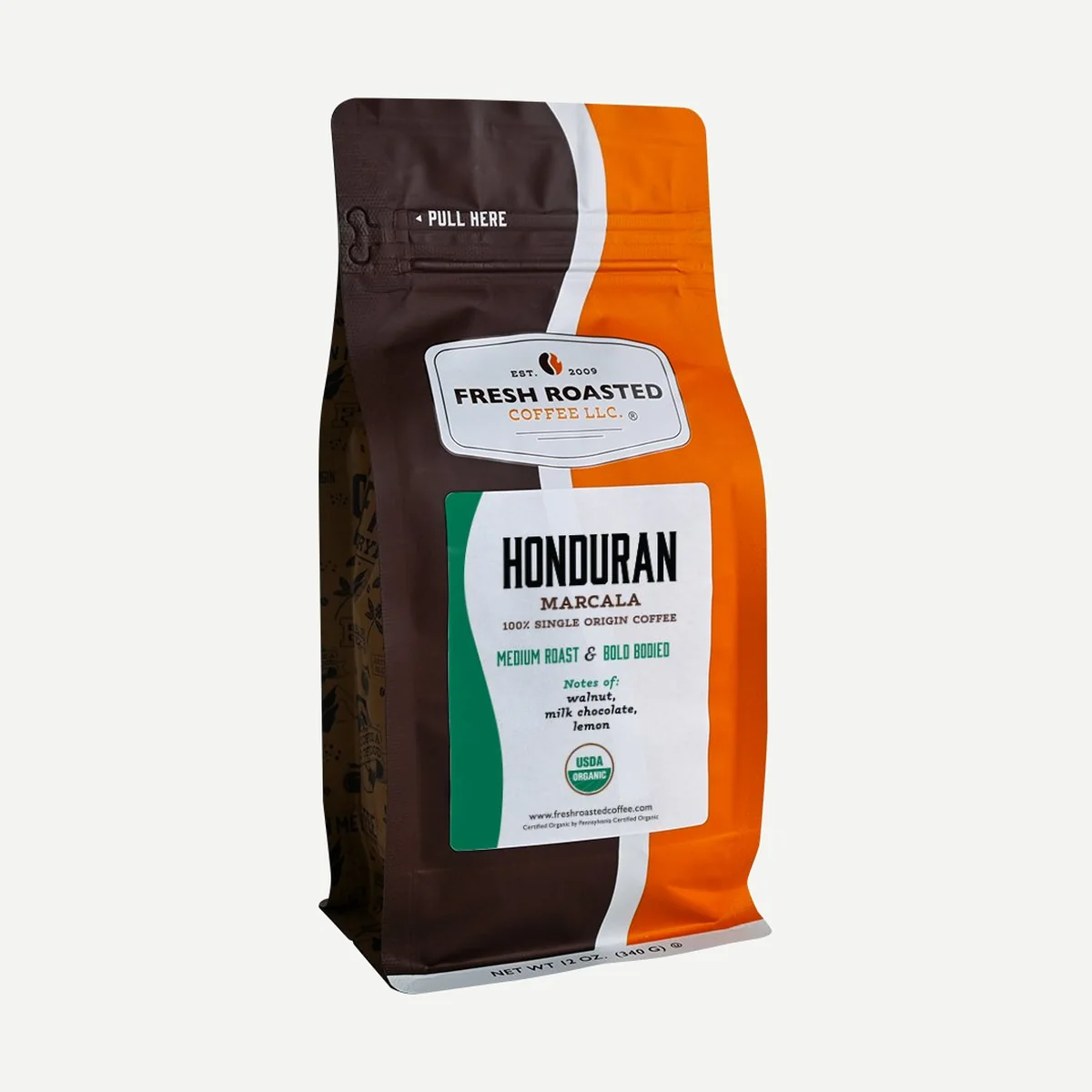
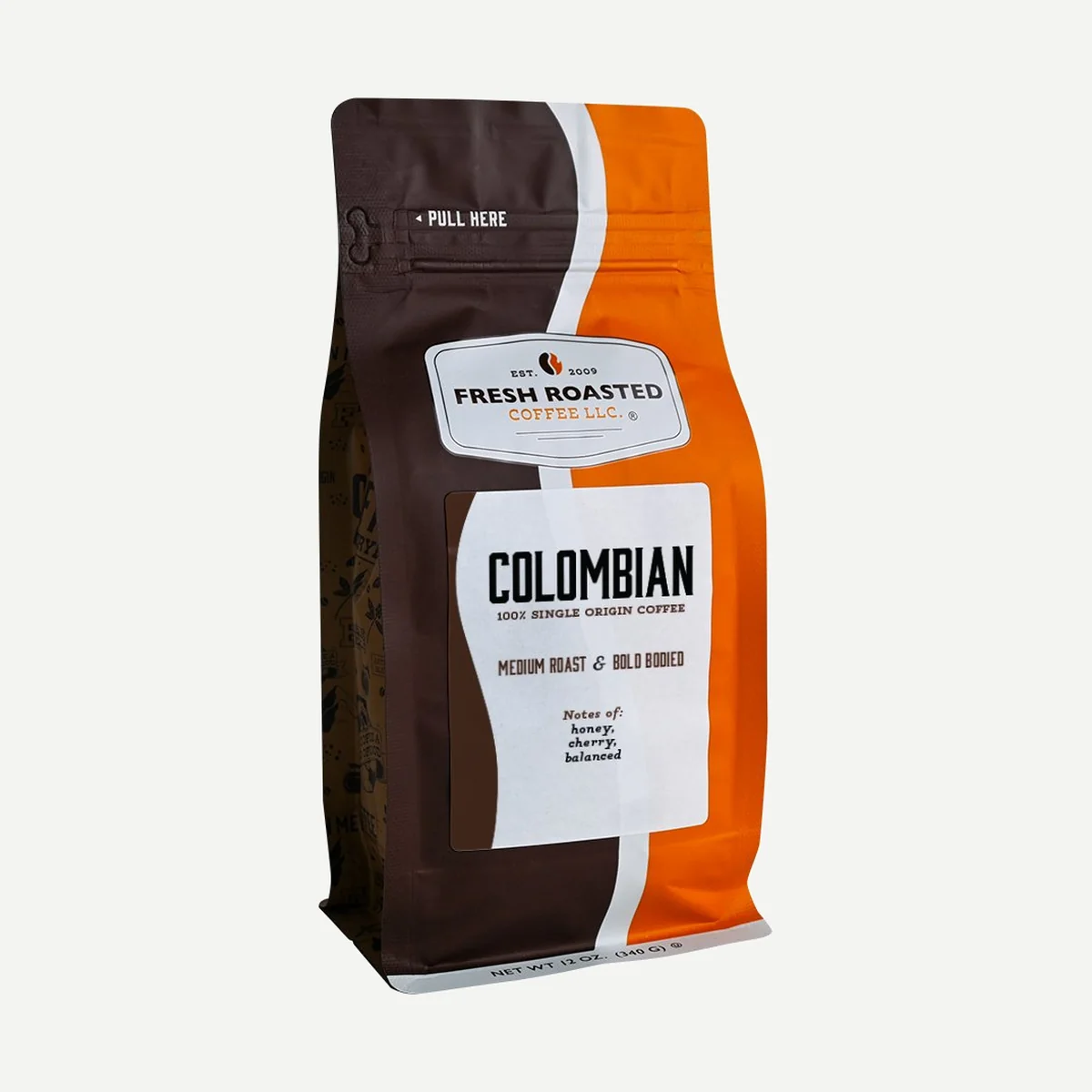
Fresh Roasted Coffee's Organic Honduran Marcala comes from the COMSA cooperative in Honduras, certified USDA Organic, at $14.99 for 12 oz. It is cheaper and nutty and chocolatey. Chirinos costs more but carries the stricter regenerative certificate and a fruitier cup of fig and pear. Choose Marcala for value; choose Chirinos if how the farm is run matters to you as much as the price.
Peruvian coffee in the cup
Why a northern Peruvian coffee tastes the way it does.
Most of Peru's coffee is grown by smallholders in the north, in Cajamarca, Amazonas and San Martin, many of them organised in cooperatives like Chirinos that pool processing and selling. The heirloom-leaning varieties grown there, Typica, Bourbon and Caturra, and the high altitude give Peruvian coffee a reputation for a soft, sweet, nutty cup with gentle fruit rather than sharp acidity. That fits Equator's notes of hazelnut spread and fig closely. A medium-light roast keeps that sweetness and fruit; take it darker and it turns into a plain, nutty cup.
Washing removes the fruit before the bean dries, which is why the cup is clean and the pear note comes through clearly. If you prefer the heavier, wine-like sweetness of a natural process, Origin's Beija Flor is the contrast.
Why the roast date matters
Coffee is at its best for weeks, not the year a best-before date implies.
Roasted coffee gives off carbon dioxide for days after roasting, which is why espresso tastes harsh and filter coffee bubbles hard in the first few days. After that it is at its sweetest for a few weeks, then slowly goes flat as the aromatic oils oxidise. A best-before date, usually set a year or more after packing, tells you nothing about where a bag sits on that curve. A printed roast date does. We list every coffee on the site that prints one in coffee with roast dates, and our scores give real weight to it.
Buy only what you will drink in about a month, keep it in the bag it came in or an airtight container, away from light and heat, and grind just before brewing. Do not keep beans in the fridge: they pick up moisture and smells.
Is Peru Chirinos worth it?
If you want organic coffee with evidence behind it, yes.
It is a well-sourced, freshly roasted single origin from a cooperative with a long relationship with its roaster. The extra few dollars buy a certification most coffees do not have. If price comes first, Equator's Sunnyside Breakfast Blend is cheaper. For more choices, see our list of the best coffee beans under $50.
Who should buy it (and who should not)
Buy it if
- You want certified organic coffee from a named cooperative.
- You brew filter coffee and like a fruity, nutty cup.
- You want a roast date on the bag.
Skip it if
- You want the lowest price per kilo.
- You like dark, roasty coffee.
- You live outside the US.
Frequently Asked Questions
Is Equator Peru Chirinos organic?
Yes. It is Regenerative Organic Certified, which builds on organic certification with soil and social requirements.
Who grows Peru Chirinos?
La Prosperidad de Chirinos, a cooperative of 700 producers founded in 1968 in San Ignacio, Cajamarca.
What does it taste like?
Equator lists hazelnut spread, fig and Asian pear, from a medium-light roast.
How much is Peru Chirinos?
$21 for 12 oz, $47.75 for 2 lb and $112 for 5 lb.
Is it good for espresso?
Equator's recipes are for Chemex, drip and French press. For espresso it sells Dipsea Espresso.