What is Equator Tigerwalk Espresso?
The espresso Equator's cafes are built on, roasted to taste of fruit rather than roast.
Equator calls Tigerwalk its flagship espresso and a cafe staple, designed to highlight sweet and fruit forward flavours with just enough roasting time to give the balance and versatility espresso often needs. It is a medium roast, and the tasting notes Equator gives are cherry, key lime and dark chocolate. It sits on the Equator Coffees roaster page.
What is in the blend
Three coffees, two washed and one natural, all grown high.
| Component | Producer | Varieties | Altitude | Process |
|---|---|---|---|---|
| Colombia, Cauca | Multiple producers | Caturra, Colombia, Castillo | 4,600 to 6,550 ft (1,402 to 1,996 m) | Washed |
| Kenya, Aberdare Mts., Mt. Kenya | Multiple producers | SL28, SL34, Ruiru 11 | 5,250 to 5,900 ft (1,600 to 1,798 m) | Washed |
| Ethiopia, Sidama, Bombe | Ayla Bensa Washing Station | Local heirloom | 6,400 to 6,560 ft (1,951 to 1,999 m) | Natural |
The Colombian is the foundation, which Equator describes as deep and fruity with dark cherry, ripe berries and a full bodied red wine profile. The Kenyan adds citrus and juicy acidity. The natural Ethiopian from the Ayla Bensa station in the Bombe mountains adds vibrant fruit. The same washing station supplies the Intelligentsia Ethiopia Ayla Bombe, one of the Ethiopian single origins we review, as a washed coffee.
A natural process coffee dries inside its fruit, which is what gives espresso blends like this their berry and wine notes. It also makes the shot sweeter and less bitter than a dark roast, provided you dial it in: fruity espresso blends punish a grind that is too coarse with sourness.
Roasted to order in San Rafael
Equator's freshness claim is roasting to order. It does not publish a roast date on the bag.
Equator says it roasts to order in small batches at its roastery at 115 Jordan Street, San Rafael, California, where it has roasted since 2003, and it has used energy efficient Loring roasters since 2007. Its own advice is to buy whole bean every week or two and brew within a week or two of opening the bag. What it does not publish is a roast date on the bag, at least not on the front of the bag it shows, so unlike a roaster that prints the date you cannot check how old a bag is when it arrives.
Price, and what a cup costs
The same price ladder as Equator Blend.
| Bag | Price | Per kilo | Per cup (15 g) |
|---|---|---|---|
| 340 g (12 oz) | $18.50 | $54.38 | $0.82 |
| 907 g (2 lb) | $42.00 | $46.30 | $0.69 |
| 2.27 kg (5 lb) | $98.75 | $43.54 | $0.65 |
Shipping is free on orders of $50 or more, for one-off orders and subscriptions alike. Under $50 you pay the carrier rate at checkout, so three 12 oz bags or one 2 lb bag and a 12 oz bag is the cheapest way to order.
How to brew Tigerwalk
A lighter roast wants a slightly longer shot, and Equator's recipe reflects that.
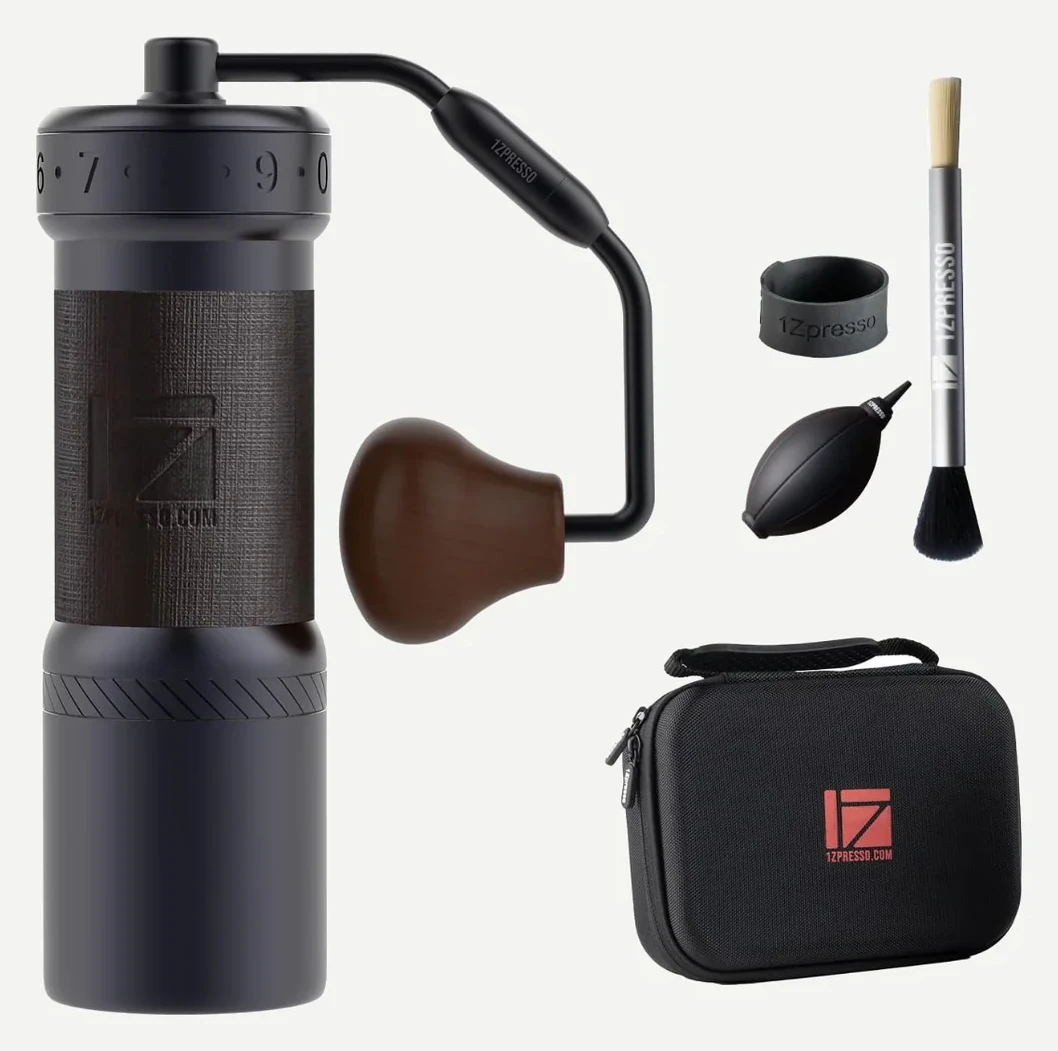
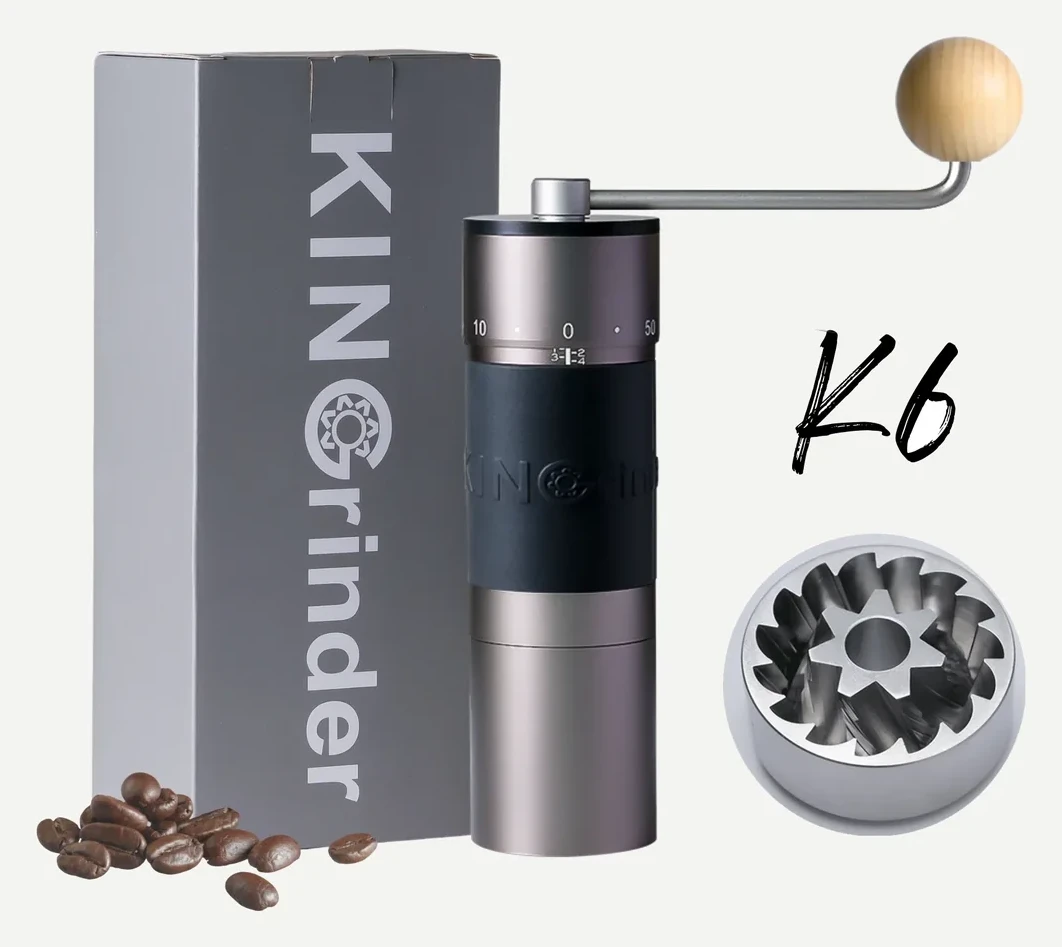
Equator's espresso recipe for Tigerwalk is 18 g in and 39.6 g out, a 1:2.2 ratio, over 27 to 30 seconds, a longer, looser shot than it recommends for the darker Jaguar. Lighter roasts are harder to extract, so a slightly longer ratio pulls out the sweetness and keeps the key lime from tasting sour. If the shot is sharp and thin, grind finer; if it is bitter, pull it shorter. A grinder that can make small steps matters more with a blend like this; see our grinders for espresso.
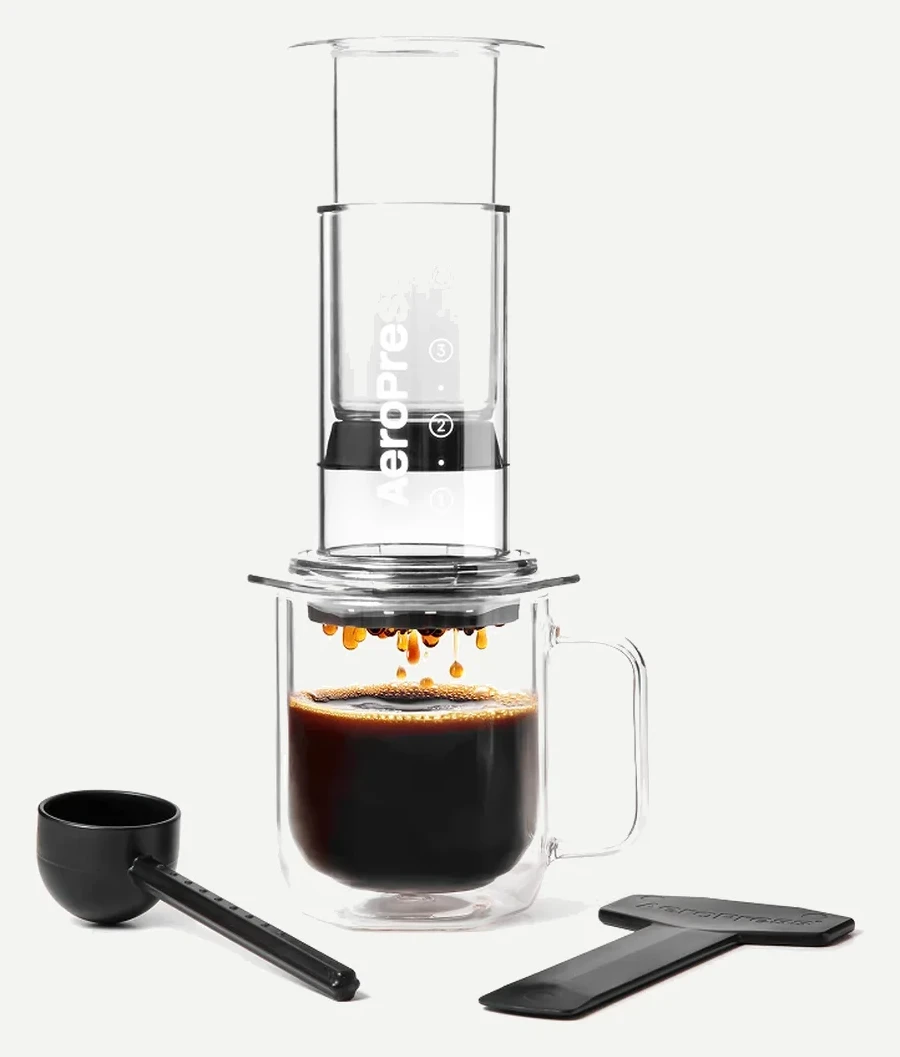
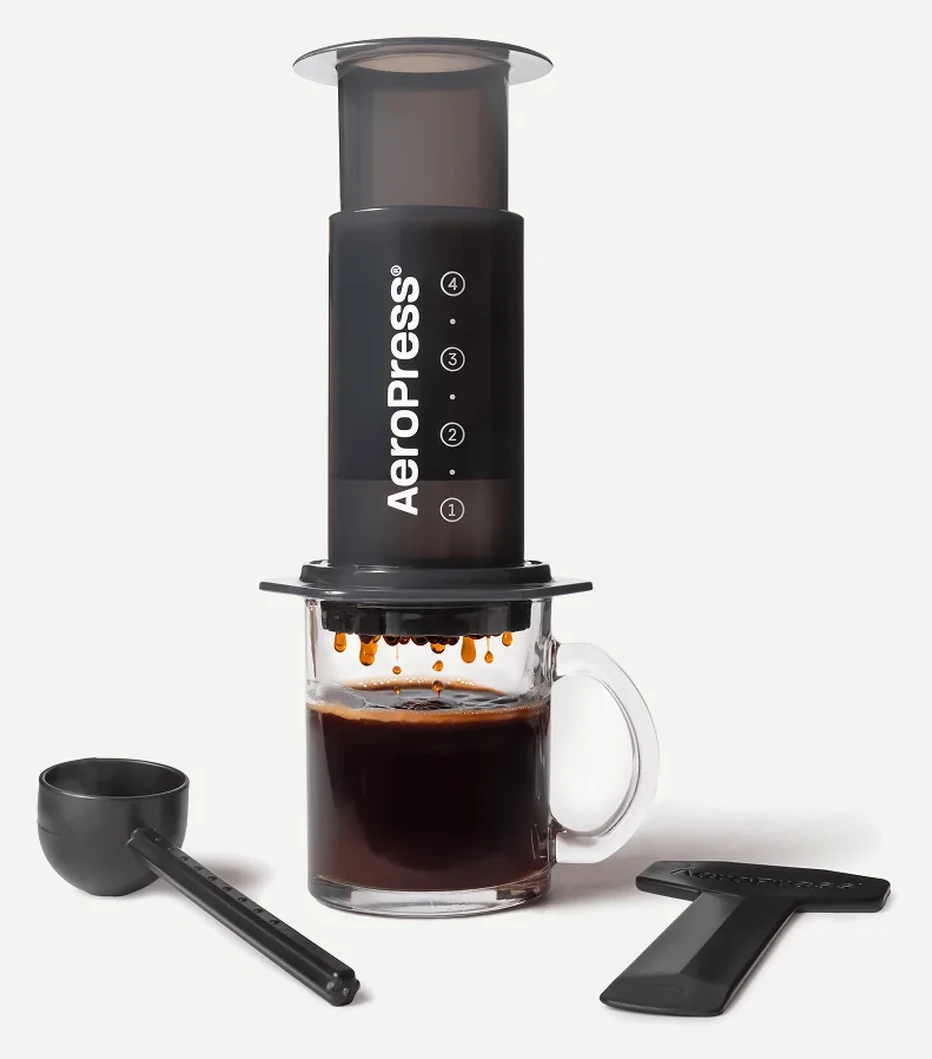
Equator also gives moka pot and AeroPress recipes: 30 g to 300 g of water in a six cup moka pot, and 18 g to 200 g in an AeroPress with a 50 g bloom and a plunge at two minutes. In both, Tigerwalk's fruit comes through more than a dark espresso blend's would, which makes it a good choice if you do not own an espresso machine but want a brighter strong coffee.
Tigerwalk vs Intelligentsia Black Cat Classic Espresso
Two flagship espressos from two specialty roasters, and both lean on fruit.
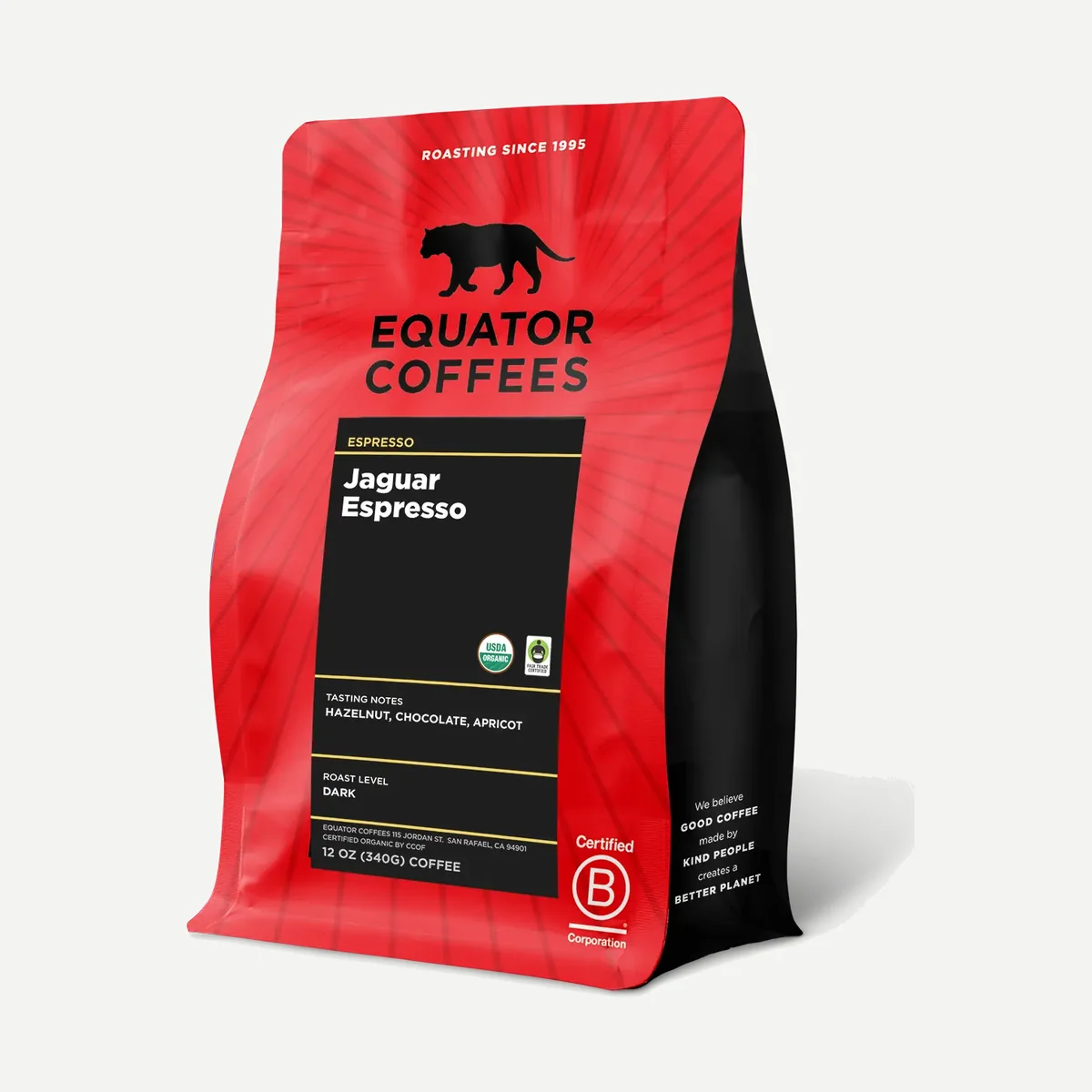
Intelligentsia Black Cat Classic Espresso is the best known specialty espresso in the US: medium roast, $17.50 for 12 oz, $42.55 a kilo, with notes of cherry, cola and orange. It is a dollar cheaper per bag and comes in 12 oz only. Tigerwalk is the more layered blend on paper, three origins against Black Cat's Brazilian base, and it comes in bulk sizes. Both are good choices for espresso drunk straight; for milk, Equator's own Jaguar Espresso is the heavier option.
Is it worth it?
Yes, if you like your espresso fruity and sweet.
It is the espresso Equator stakes its cafes on, and it publishes exactly what is in it. If you want the traditional dark, chocolatey Italian style, this is the wrong bag, and Jaguar is the right one.
Who should buy it (and who should not)
Buy it if
- You drink espresso or americanos black and like fruit in the cup.
- You have a grinder that can dial in a lighter roast.
- You want to know the washing station behind your espresso.
Skip it if
- You want a dark, roasty espresso for milk drinks; see our dark roast coffees.
- You want organic; Jaguar is the certified one.
Frequently Asked Questions
What does Tigerwalk Espresso taste like?
Equator lists cherry, key lime and dark chocolate, roasted medium.
What is in Tigerwalk?
A washed Colombian from Cauca, a washed Kenyan from the Aberdare Mountains and a natural Ethiopian from the Ayla Bensa washing station.
Is Tigerwalk good for milk drinks?
It works, but it is a bright, fruity medium roast. Equator's darker Jaguar Espresso is built to stand up to milk.
How do I pull a shot of Tigerwalk?
Equator uses 18 g of coffee for 39.6 g of espresso, a 1:2.2 ratio, in 27 to 30 seconds.
Is Tigerwalk the same as Equator Blend?
No. They share a Kenyan component, but Tigerwalk is a medium roast espresso built on a Colombian with a natural Ethiopian, where Equator Blend is a medium-dark blend of four origins for filter brewing.