What is Fresh Roasted Coffee Organic Honduran Marcala?
An organic Honduran coffee from a named co-op, at an everyday price.
Marcala, in the La Paz department of western Honduras, is one of the country's best known growing areas, and one of the first in Central America to earn a protected designation of origin for its coffee. Fresh Roasted's lot is grown there at 1,295 to 1,699 metres (4,250 to 5,575 ft), washed, and harvested from December to April. The bag label reads medium roast and bold bodied, with notes of walnut, milk chocolate and lemon, and the product page describes a smooth, sugary-sweet body with a lemony finish.
It is USDA Organic, certified by PA Certified Organic, and OU Kosher, sold whole bean or ground in 12 oz, 2 lb and 5 lb bags, and it sits on the Fresh Roasted Coffee roaster page.
The co-op behind it
Sixty-two farmers who went organic together.
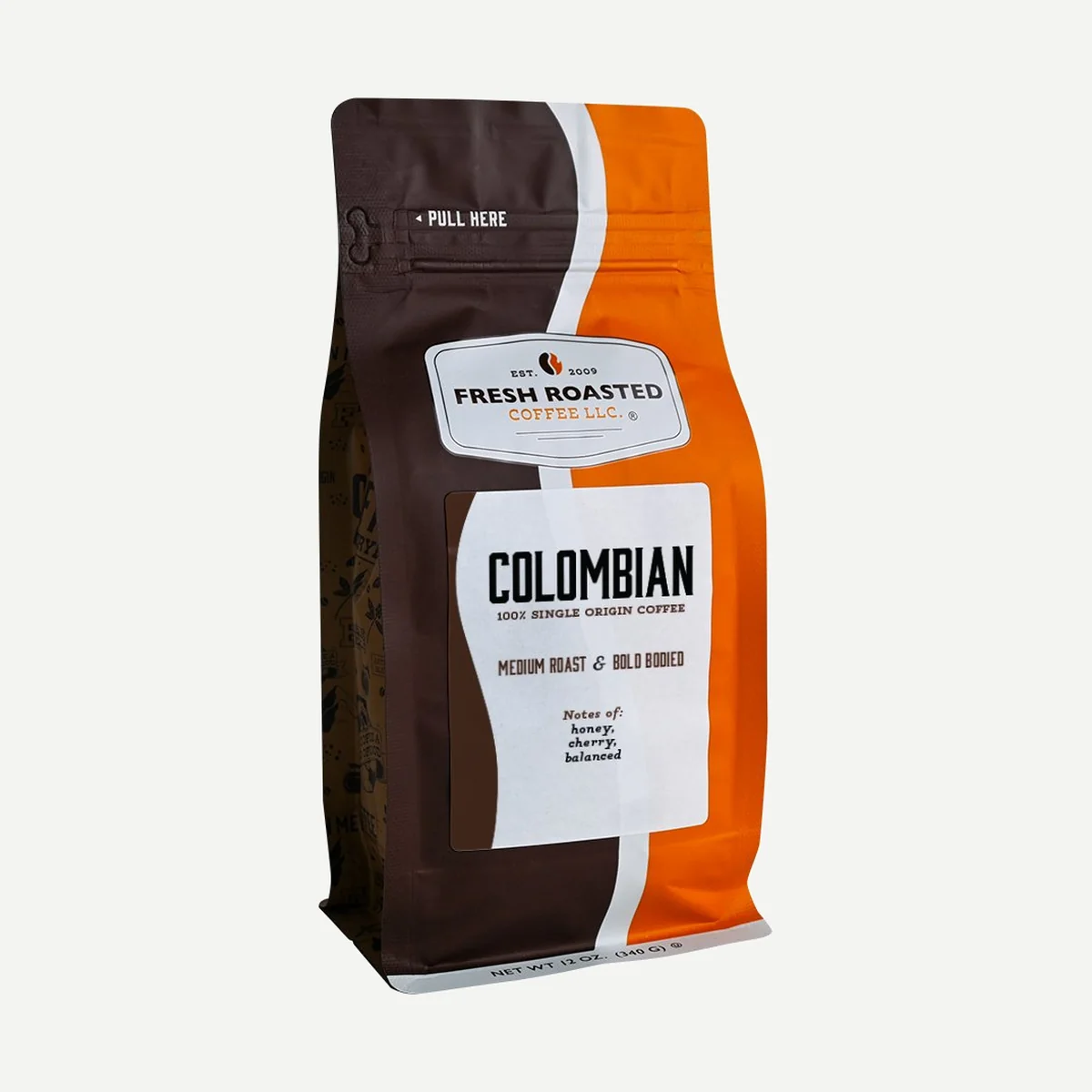
Fresh Roasted name the growers: COMSA, Cafe Organico Marcala, S.A., formed in 2000 when 62 Honduran farmers joined to convert their farms from conventional to organic production. With support from a foundation called Funder, COMSA earned its organic certification from Bio Latina in 2001. Naming the co-op, the region, the altitude and the process puts this coffee well ahead of most single origins at the price, and it is why it scores higher on sourcing than Fresh Roasted's own Colombian.
The store's web address for this coffee includes fto, the usual shorthand for Fair Trade Organic, but the bag carries only the USDA Organic seal and the page claims Organic and Kosher. We report the certification on the bag, not the one in the URL.
Roasted to order, and dated on the bag
The strongest thing Fresh Roasted publishes is not a tasting note. It is when the coffee was roasted.
Fresh Roasted Coffee roasts each order after it is placed, on Loring Smart Roasters at its base in central Pennsylvania, then packs and nitrogen flushes the bag straight away. Its shipping policy says coffee leaves one to two days after roasting, and orders placed after noon on a Thursday are roasted on Sunday night and shipped on Monday.
The roast date is printed on a white sticker on the bottom of every bag. It is written as a Julian day, the number of the day in the year, so day 272 is the 29th of September. It takes a second to decode, and the roaster's FAQ has the chart, but it means you can see exactly how old the coffee is, which most supermarket bags will not tell you. A best before date on a supermarket bag says when the seller stops standing behind it, not when it was roasted.
Price, and what a cup costs
Organic at a conventional price, in the bigger bags.
| Bag | Price | Per kilo | Per cup (15 g) |
|---|---|---|---|
| 340 g (12 oz) | $14.99 | $44.06 | $0.66 |
| 907 g (2 lb) | $34.99 | $38.57 | $0.58 |
| 2.27 kg (5 lb) | $64.99 | $28.66 | $0.43 |
Shipping is a flat $7.95 on orders under $50 and free above $50 once discounts are taken off, so two 2 lb bags or three 12 oz bags usually clear the threshold.
New to Fresh Roasted Coffee? Our link applies the code COFFEEGURU, which takes 20% off a first order of coffee or tea. It is for new customers only and does not apply to subscriptions.
One oddity: three 12 oz bags cost $43.99, more than a single 2 lb bag at $34.99 for slightly more coffee. Unless you want the bags sealed separately, the 2 lb bag is the better buy. Fresh Roasted also sell this coffee as single-serve pods for K-Cup brewers, and green for home roasting.
Organic Honduran Marcala vs Spirit Origin Montecillos Catuai
Two washed coffees from Marcala, roasted on different continents.
The Spirit Origin Montecillos Catuai Washed comes from the same region, from one named farm, and is roasted in Honduras itself, at $26 for 340 g. It is the single-farm, roasted-at-origin choice. Fresh Roasted's comes from a co-op, is certified organic, is roasted to order in Pennsylvania with a date on the bag, and costs a little over half as much. For traceability to one farmer, Spirit Origin; for organic coffee at an everyday price, Fresh Roasted.
Organic Honduran Marcala vs Equator Jaguar Espresso
Marcala as a single origin, or as part of a blend.
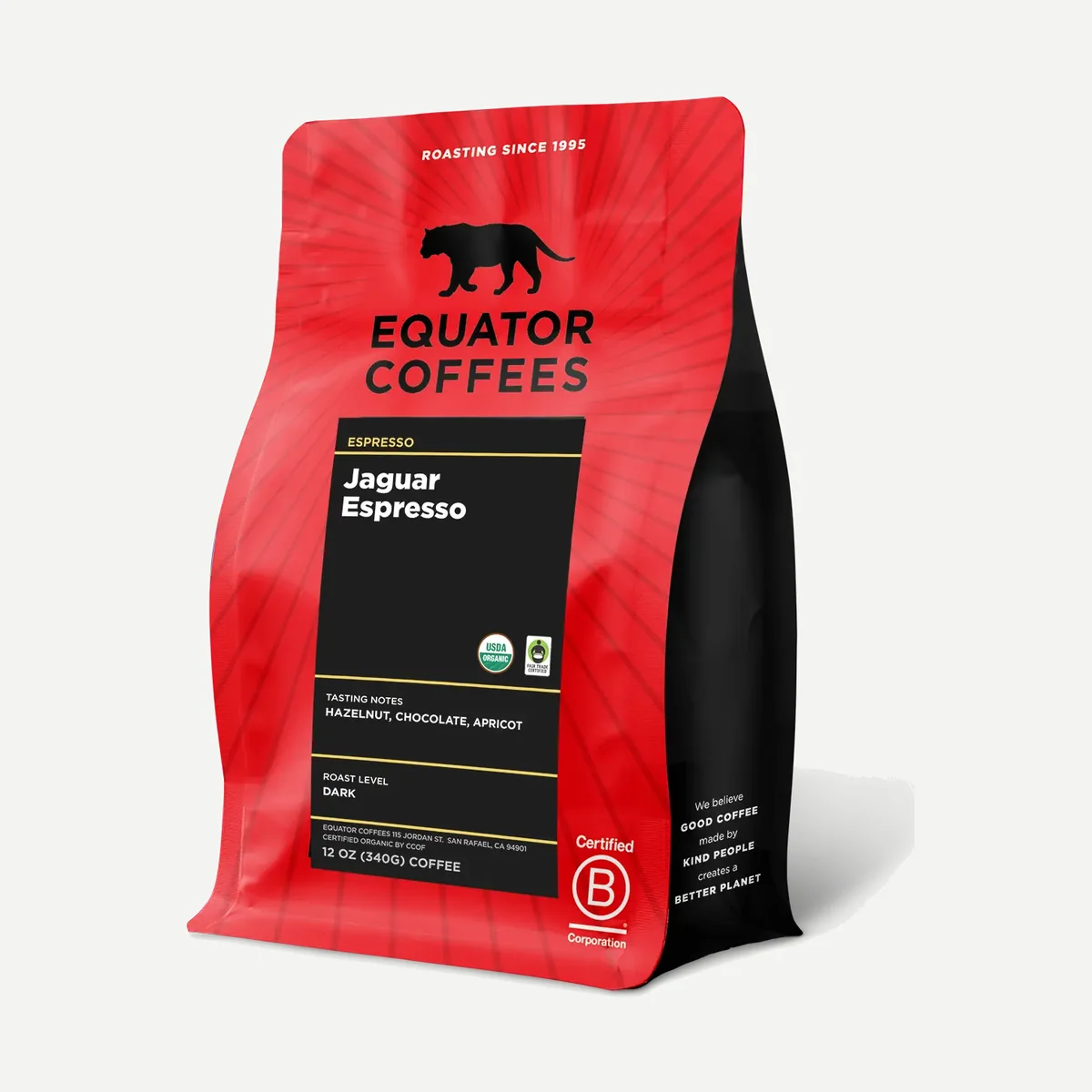
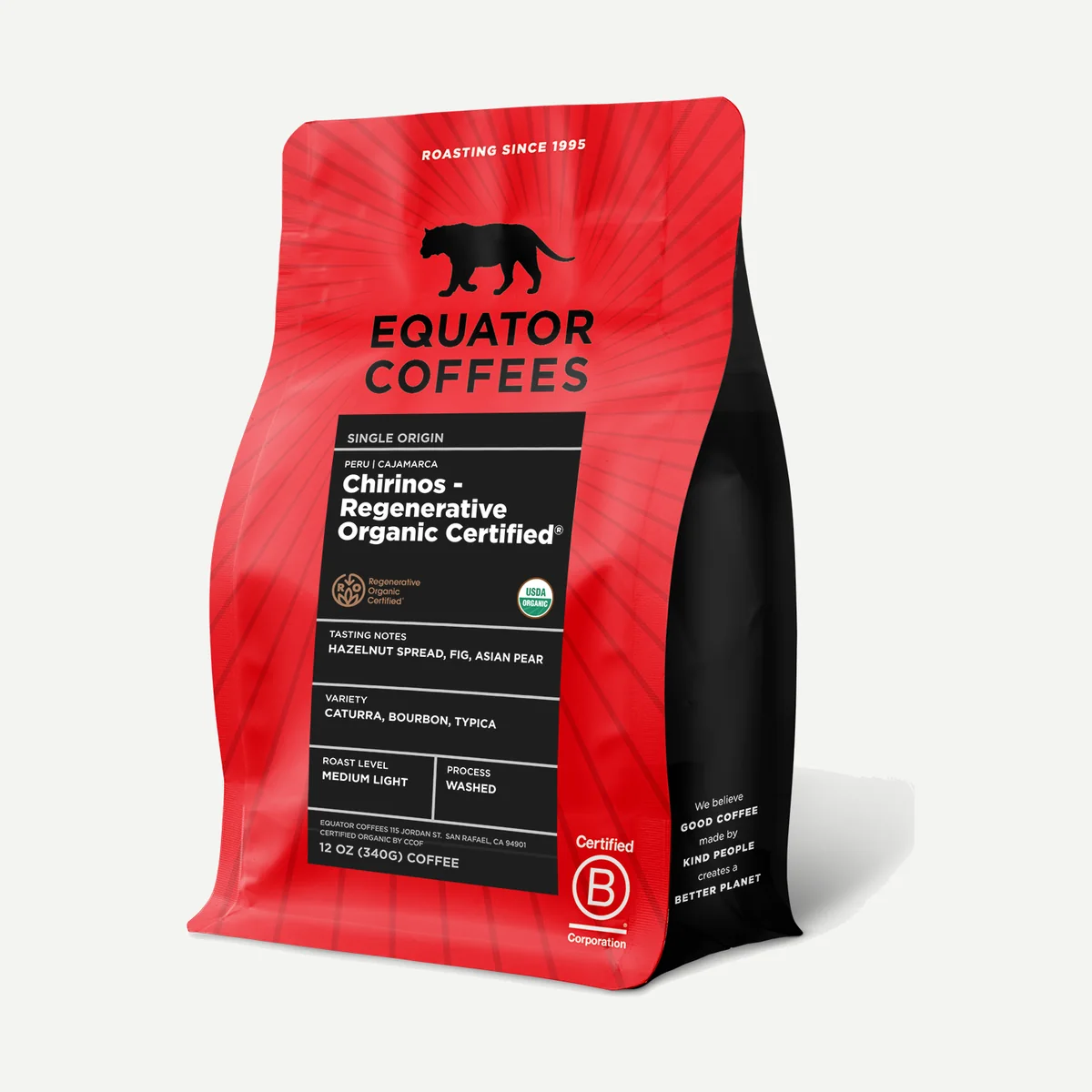
Equator Jaguar Espresso blends two Marcala co-op coffees, from COMUCAP and APROCOMSA, with a Sumatra and roasts it dark for espresso and milk, organic and Fair Trade, at $19.50 for 12 oz. Fresh Roasted's is Marcala on its own, medium roasted for filter, from a different co-op. Choose Jaguar for lattes, and this for a cup that tastes of Honduras.
How to brew it
A washed medium roast that does well in most brewers.
Washed coffees are clean and sweet, and a bold-bodied medium like this works in a drip machine, a pour-over or a French press. Start around 1 gram of coffee to 16 of water. The lemon note comes through most clearly in a paper-filtered cup; the walnut and chocolate are fuller in a French press.
Is it worth it?
Yes, if you want organic coffee with real sourcing detail.
A named co-op, a published altitude and process, organic certification and a roast date, for about 43 cents a cup in the 5 lb bag: that is a lot of transparency for the money. Just do not buy the 3-bag pack.
Who should buy it (and who should not)
Buy it if
- You want certified organic coffee at an everyday price.
- You like nutty, chocolatey coffee with a bright finish.
- You want to know which co-op grew it.
Skip it if
- You need Fair Trade certification.
- You want the cheapest possible kilo; Fresh Roasted's 100% Colombian is cheaper still.
Frequently Asked Questions
What does Honduran Marcala coffee taste like?
Fresh Roasted's label lists walnut, milk chocolate and lemon, from a medium roast with a bold body.
Is it organic?
Yes, USDA Organic, certified by PA Certified Organic.
Is it Fair Trade?
Not according to the bag or the product page, which claim Organic and Kosher only.
Where is Marcala?
In the La Paz department of western Honduras. This coffee is grown there at 1,295 to 1,699 metres.
Who grows it?
COMSA, Cafe Organico Marcala, a cooperative formed by 62 farmers in 2000 to farm organically.