What is Fresh Roasted Coffee Organic Bali Blue Moon?
An Indonesian coffee that trades the earth for chocolate, and one of Fresh Roasted's best sellers.
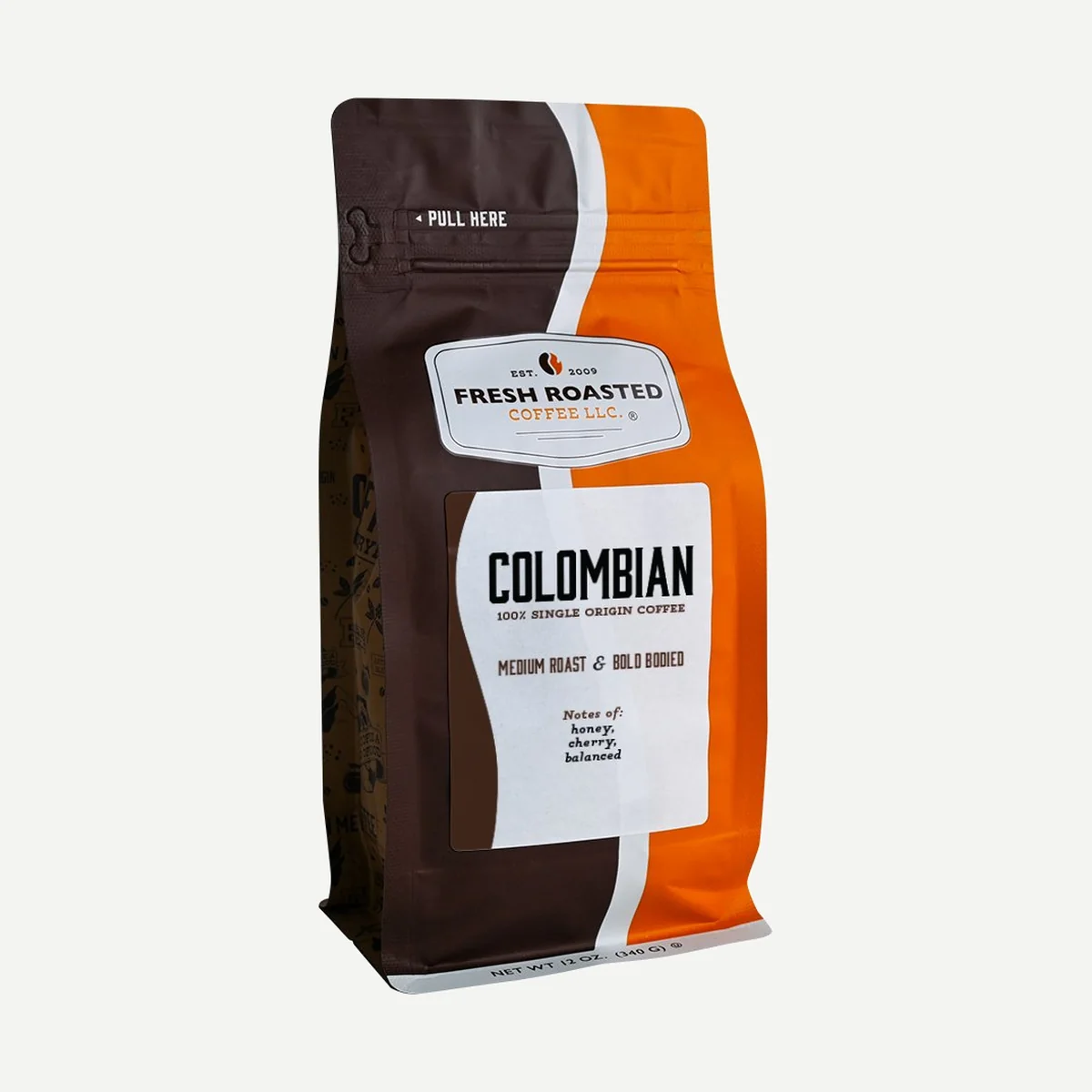
Fresh Roasted call this one of their all-time best sellers and say it is not a typical earthy Indonesian coffee: the earthy notes are subtle, and what comes forward is syrupy dark chocolate, a creamy mouthfeel and a spiced finish. The bag reads medium roast and bold bodied, with notes of dark chocolate, vanilla bean and anise, and carries the USDA Organic seal, certified by PA Certified Organic. It is also OU Kosher.
It is sold whole bean or ground in 12 oz, 2 lb and 5 lb bags, and it is one of the single origins on the Fresh Roasted Coffee roaster page.
Where it comes from
For once, a bag that tells you the altitude and the harvest.
Fresh Roasted publish the details: the Kintamani Highlands of Bali, 4,265 to 5,577 feet, which is about 1,300 to 1,700 m, wet hulled, harvested from May to July and exported from August to October. Their history of the coffee is that after a devastating volcanic eruption in 1963, the Balinese government handed out coffee seed stock to farmers and encouraged coffee growing across the island. They say Bali now has over 7,000 hectares of organic coffee land, where pesticides and chemicals are not allowed on the crops.
Roasted to order, and dated on the bag
The strongest thing Fresh Roasted publishes is not a tasting note. It is when the coffee was roasted.
Fresh Roasted Coffee roasts each order after it is placed, on Loring Smart Roasters at its base in central Pennsylvania, then packs and nitrogen flushes the bag straight away. Its shipping policy says coffee leaves one to two days after roasting, and orders placed after noon on a Thursday are roasted on Sunday night and shipped on Monday.
The roast date is printed on a white sticker on the bottom of every bag. It is written as a Julian day, the number of the day in the year, so day 272 is the 29th of September. It takes a second to decode, and the roaster's FAQ has the chart, but it means you can see exactly how old the coffee is, which most supermarket bags will not tell you. A best before date on a supermarket bag says when the seller stops standing behind it, not when it was roasted.
What wet hulling does
The same process as Sumatra, and a sweeter result.
Wet hulling, called giling basah in Indonesia, is the reason Indonesian coffees taste the way they do. The coffee is pulped and briefly fermented, then the parchment is stripped off while the beans are still wet, instead of after drying as in most of the world. The beans dry fast and exposed, turn a dark green, and roast into a cup with heavy body, low acidity and the earthy, cedar and spice notes that people either love or avoid. It is a practical answer to a humid climate and small farms, and it is the single biggest thing to know about a coffee from Sumatra or Bali.
Bali Blue Moon is the gentler end of that style. Where the Fresh Roasted Sumatra Mandheling label reads dark chocolate, cedar and heavy, this one reads dark chocolate, vanilla bean and anise.
Price, and what a cup costs
A small premium for organic, still under a dollar a cup.
| Bag | Price | Per kilo | Per cup (15 g) |
|---|---|---|---|
| 340 g (12 oz) | $17.99 | $52.88 | $0.79 |
| 907 g (2 lb) | $36.99 | $40.77 | $0.61 |
| 2.27 kg (5 lb) | $69.99 | $30.86 | $0.46 |
Shipping is a flat $7.95 on orders under $50 and free above $50 once discounts are taken off, so two 2 lb bags or three 12 oz bags usually clear the threshold.
New to Fresh Roasted Coffee? Our link applies the code COFFEEGURU, which takes 20% off a first order of coffee or tea. It is for new customers only and does not apply to subscriptions.
Fresh Roasted also sell it as organic single-serve pods for K-Cup brewers, as Nespresso Original compatible espresso capsules, and green for home roasting.
Bali Blue Moon vs other organic Indonesians
Sweeter than a Sumatra, and cheaper than the certified Sumatra we review.
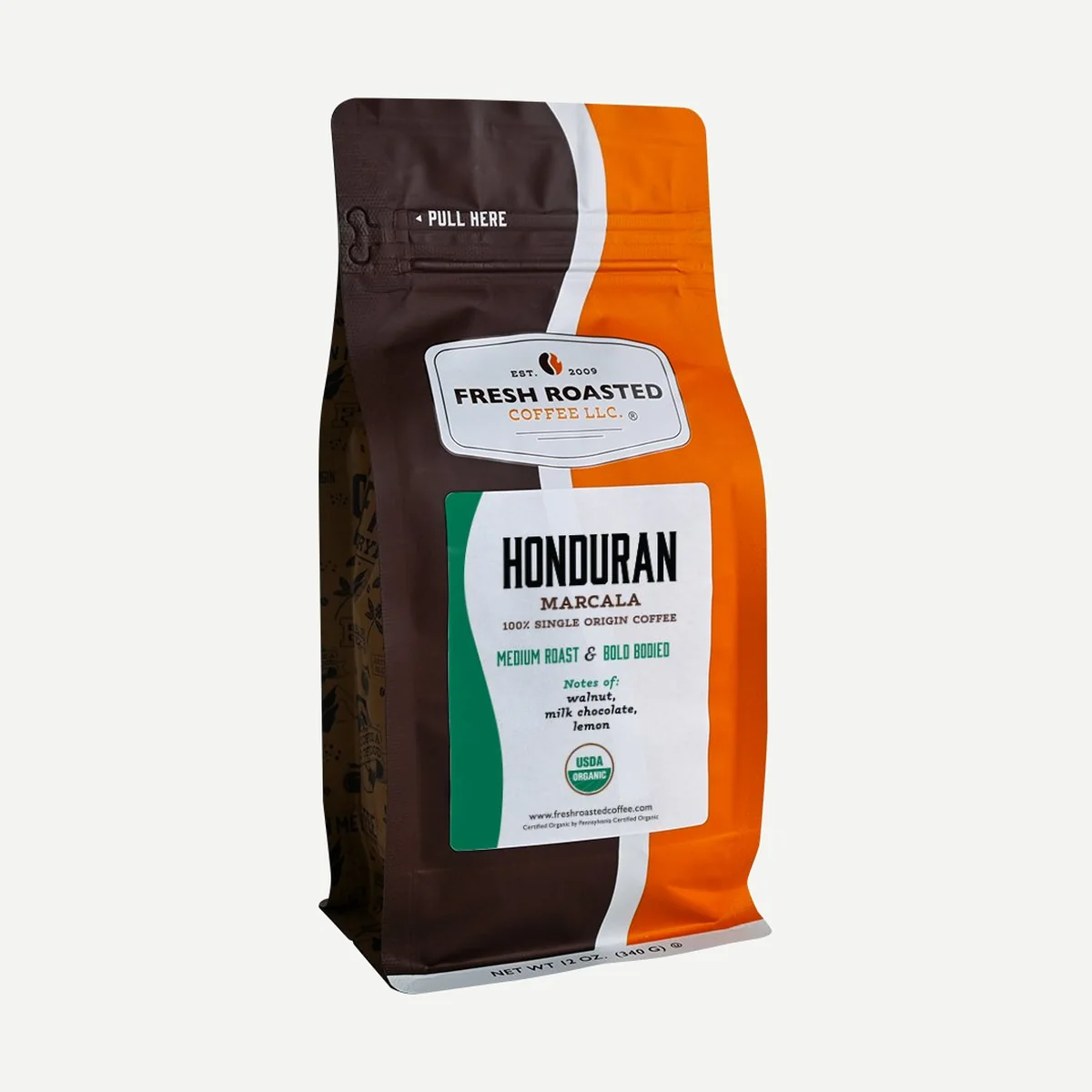
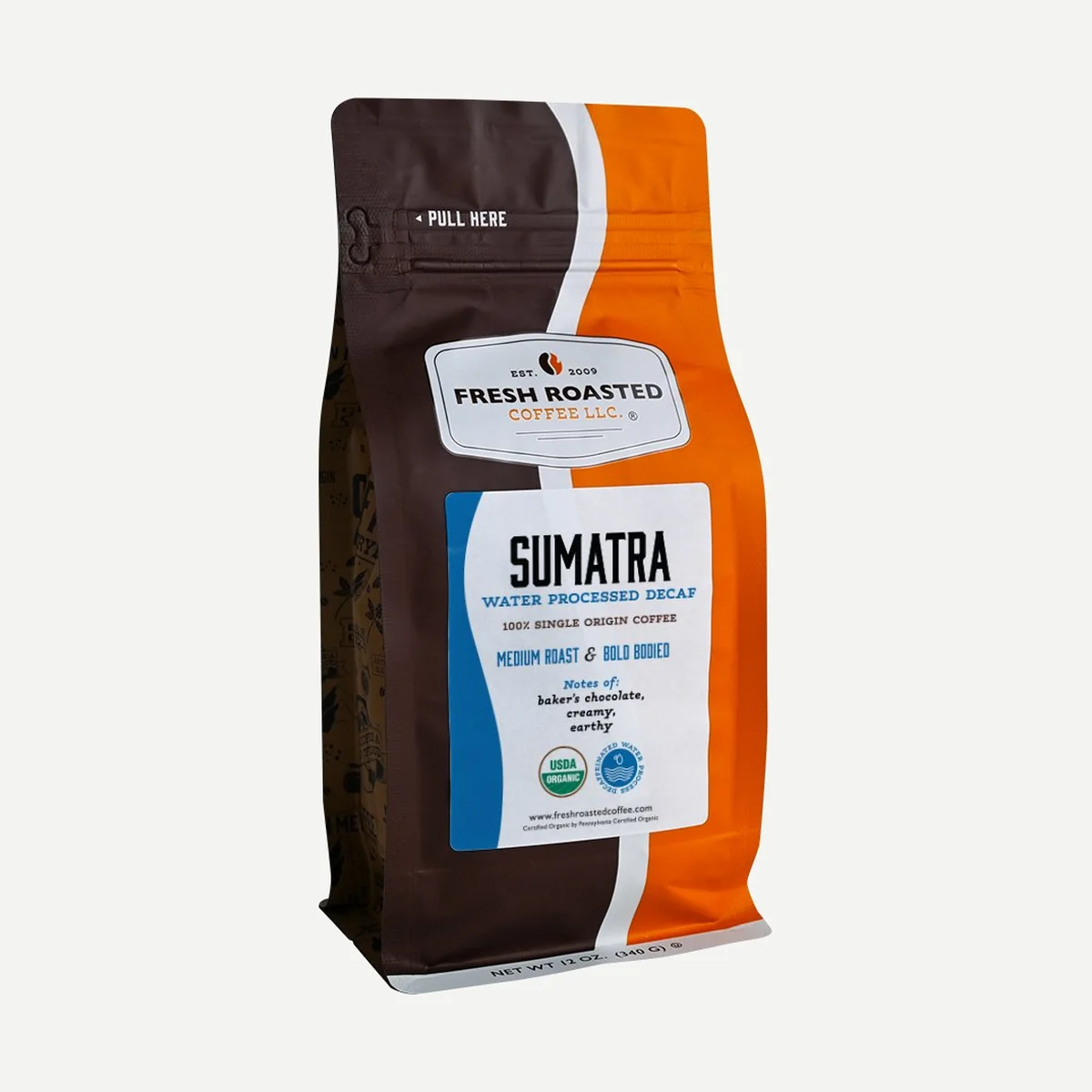
The Cooper's Cask Sumatra Dark Roast is also organic, roasted darker, at $18.95 for 12 oz and $35.25 a kilo in 5 lb, with no roast date. Bali Blue Moon is a dollar cheaper per bag, publishes its altitude and harvest, and dates the bag. If you want an organic decaf in the same family, Fresh Roasted's Organic Sumatra Water-Processed Decaf is the one.
How to brew it
Body first: French press, drip, or espresso with milk.
The syrupy body and low acidity make it an easy coffee to like in a French press or a drip machine at 1:16, and it takes milk well. As espresso it gives a sweet, heavy shot with chocolate to the front. Grind it fresh: the vanilla and anise notes are the first thing to fade in a bag of ground coffee. Our guide to storing coffee beans covers keeping a 5 lb bag fresh.
Is it worth it?
Yes, and it is the most fully documented coffee in this range.
Organic, dated, with its altitude and harvest published, at under 80 cents a cup in the small bag: there is very little to argue with. The only gap is the names of the farms.
Who should buy it (and who should not)
Buy it if
- You want an organic coffee with low acidity and a sweet, heavy body.
- You like dark chocolate and spice more than fruit.
- You want the altitude and harvest on the page, and a date on the bag.
Skip it if
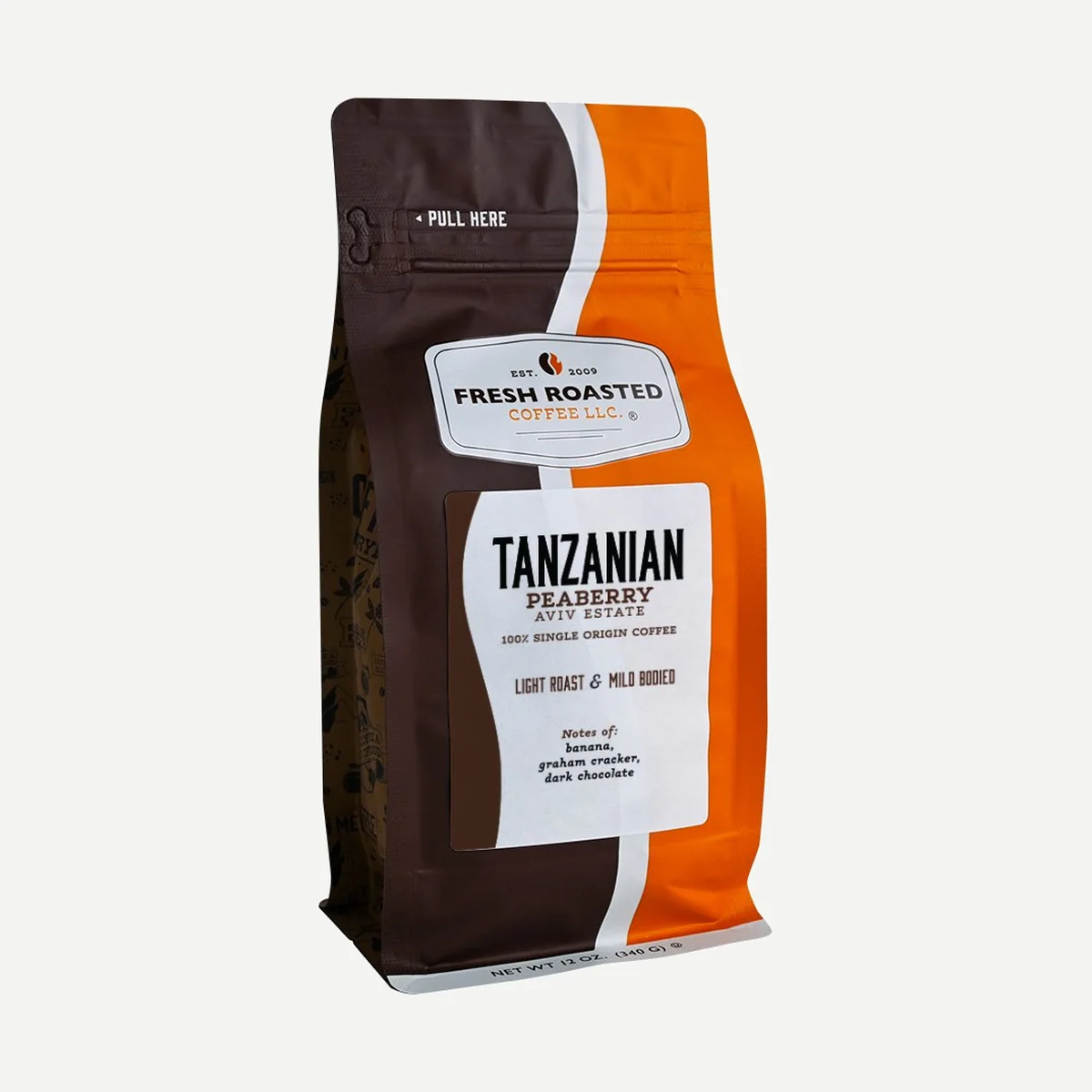
- You like bright, fruity coffee; see the Tanzanian Peaberry Aviv Estate.
- You do not care about organic; the non-organic origins cost less.
Frequently Asked Questions
Is Bali Blue Moon organic?
Yes. The bag carries the USDA Organic seal, certified by PA Certified Organic.
What does it taste like?
The label lists dark chocolate, vanilla bean and anise; Fresh Roasted describe a syrupy, creamy cup with a spiced finish.
Where is it grown?
The Kintamani Highlands of Bali, at 4,265 to 5,577 feet, about 1,300 to 1,700 m.
Is it Rainforest Alliance certified?
Fresh Roasted's page and bag claim USDA Organic and OU Kosher, not Rainforest Alliance, so we list those two.
Is it good for espresso?
Yes: its heavy body and low acidity make a sweet espresso, especially with milk.