What is the Bean Envy Pour Over?
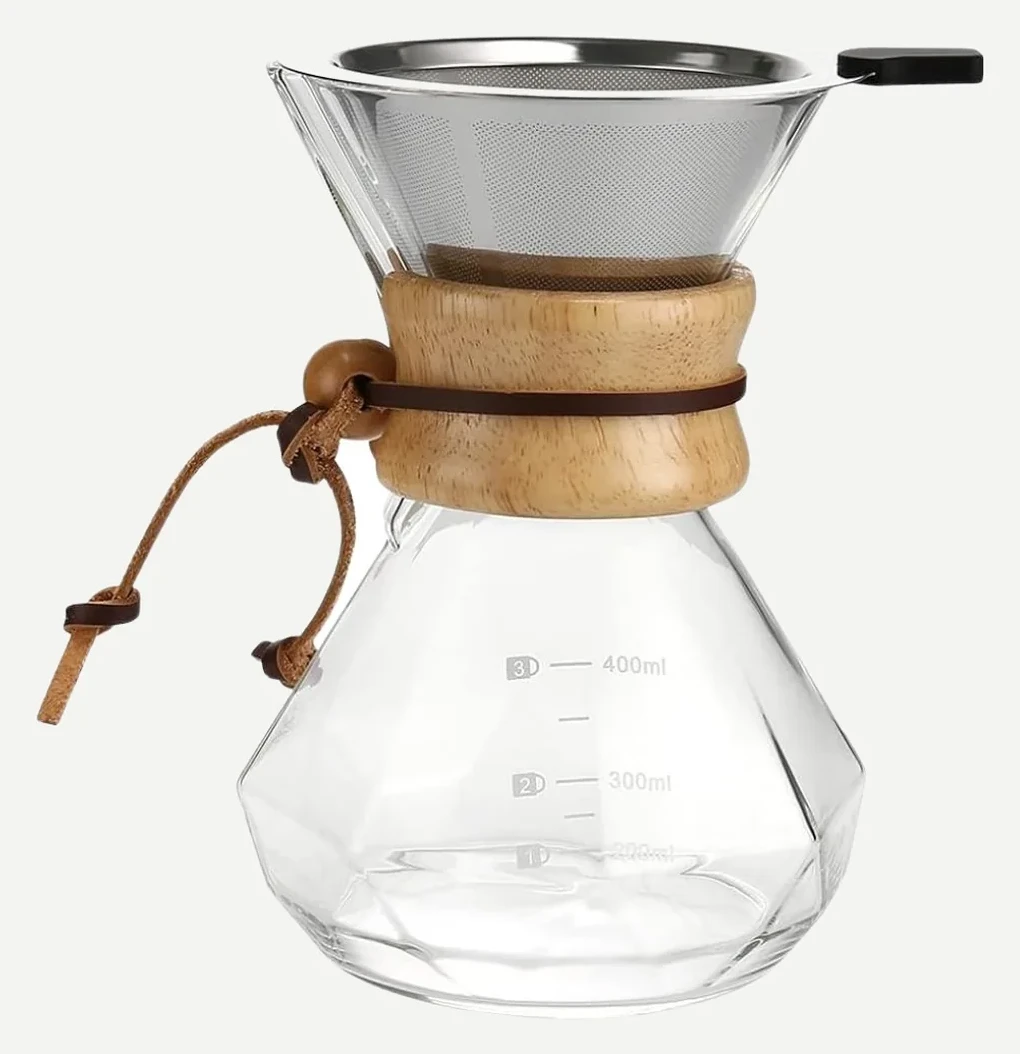
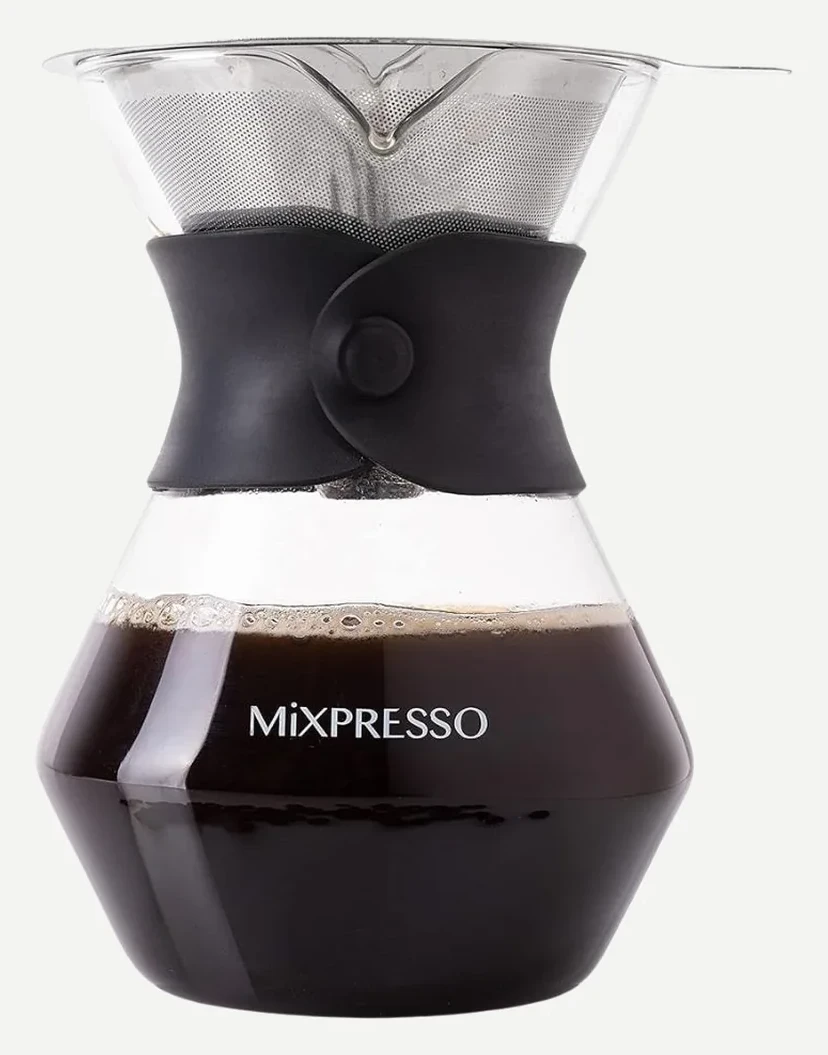
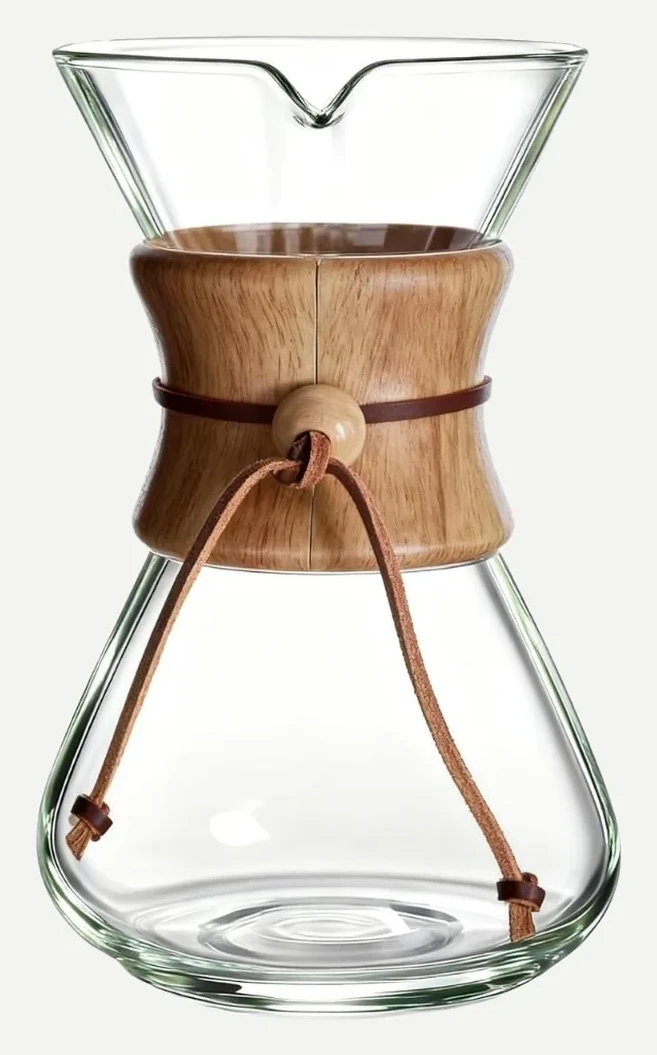
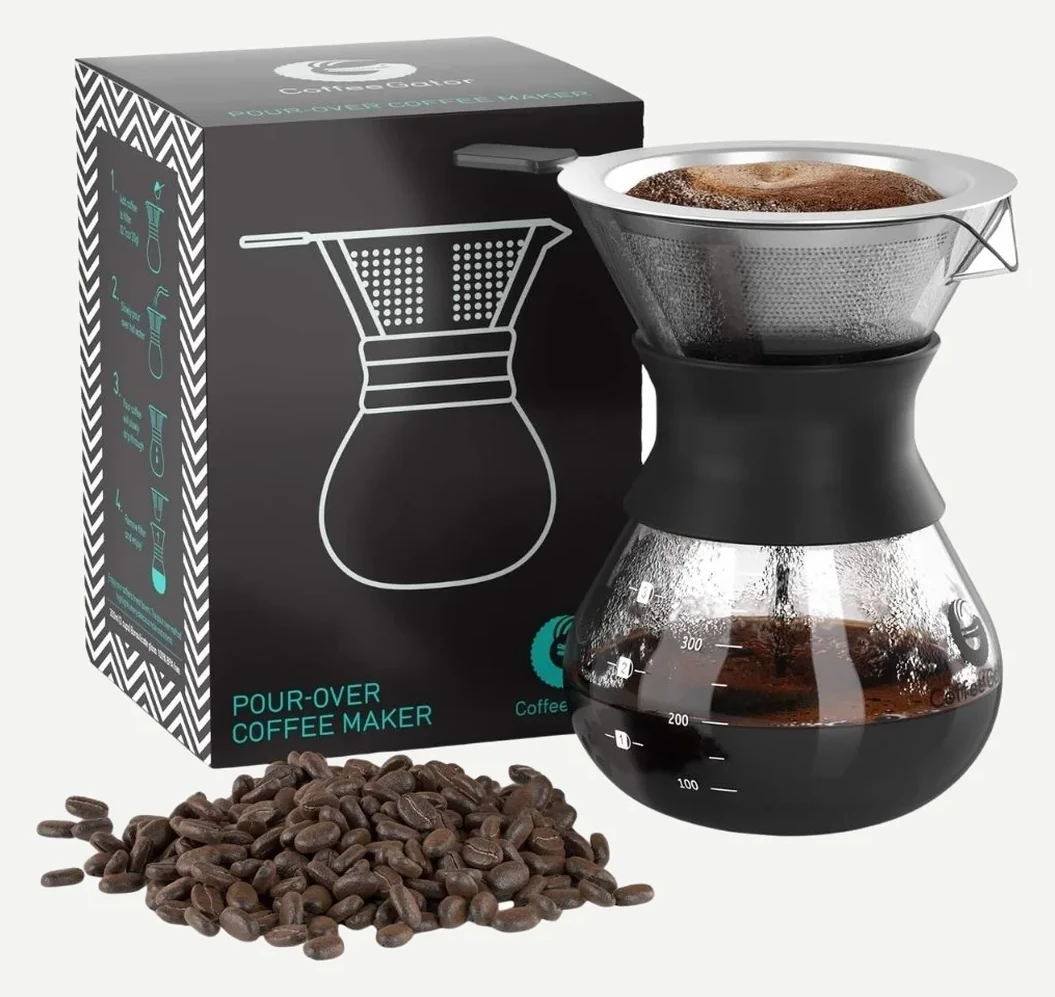
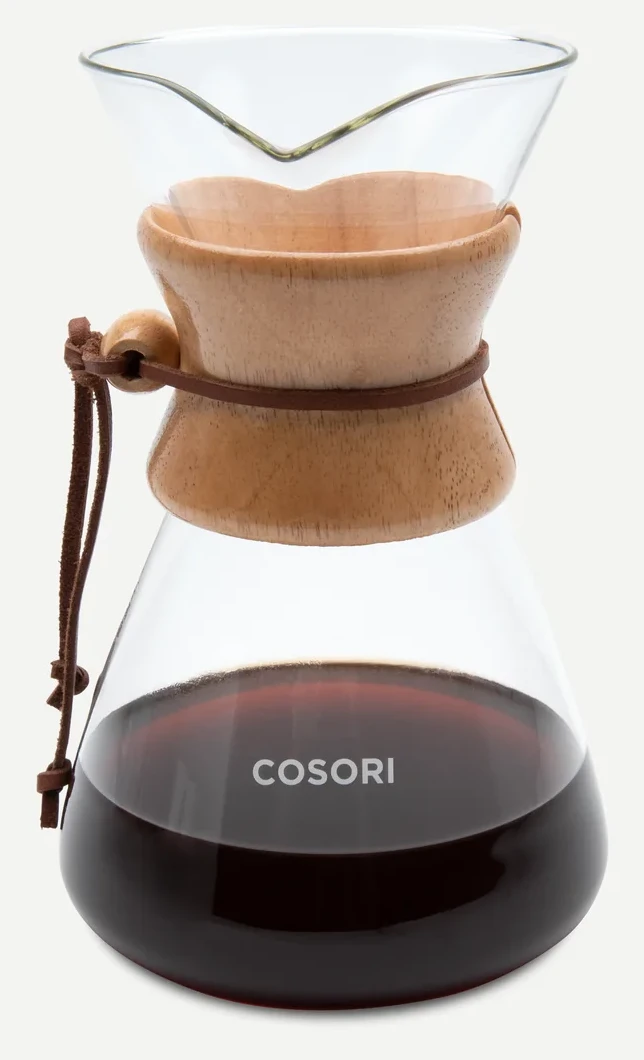
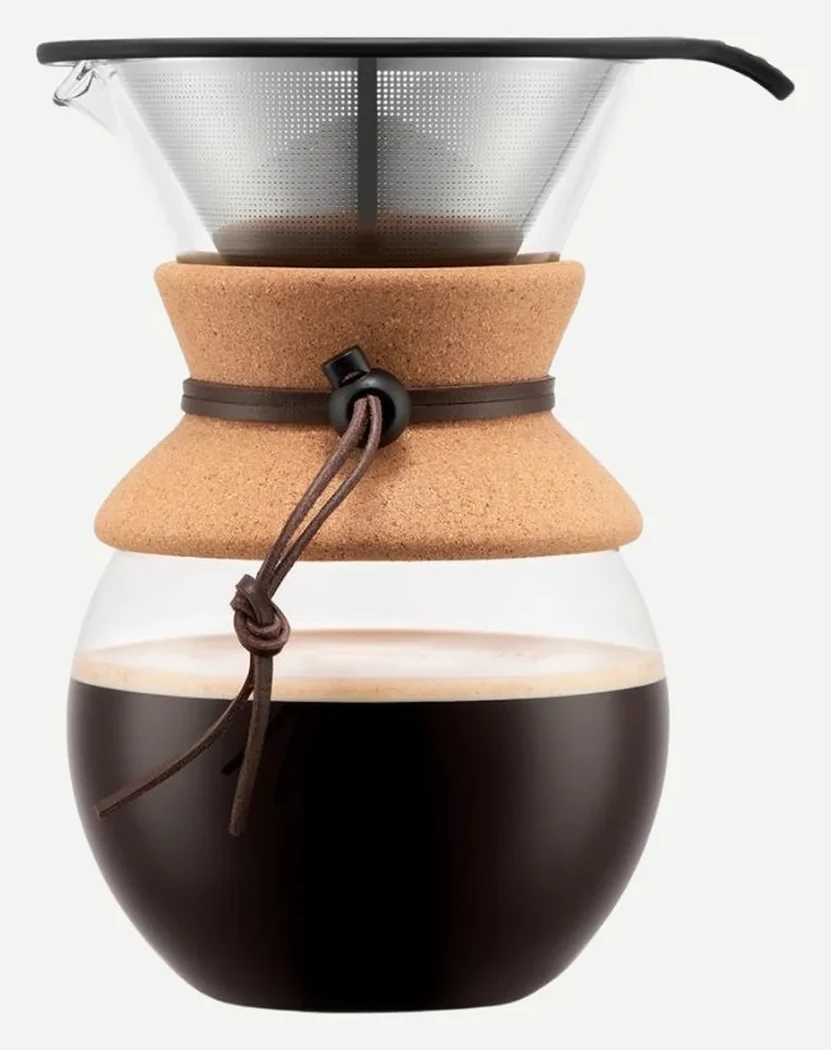
This is a 20 oz cone-shaped pour over dripper built from borosilicate glass and stainless steel, with a reusable mesh filter included.
The dripper holds 591 ml, which is enough for one generous mug or two smaller cups. The cone shape concentrates flow toward the centre, a geometry that rewards even pouring. The body is single-walled borosilicate glass, which offers heat resistance but no insulation.
A reusable stainless steel filter ships with the unit, so there is no paper to buy. The only available colour is clear. The dripper carries a manufacturer warranty, and the price sits at $34.99, placing it at the more accessible end of the pour over market.
Bean Envy Pour Over brew quality and flow control
The cone geometry and stainless mesh filter determine what ends up in the cup, and both have real implications for flavour and texture.
Cone drippers channel water through a single exit point, which tends to produce a faster, more concentrated extraction than flat-bottomed designs. How well that works depends almost entirely on grind size and pour control. The single-walled glass body loses heat quickly, which can affect extraction temperature across a longer pour.
The stainless steel filter is the other key variable. Mesh passes coffee oils and some fine particles that paper traps, producing a fuller body and a slightly heavier texture. Buyers who prefer a clean, bright cup may find that character less appealing than those coming from a French press background.
- The cone shape suits medium to medium-fine grinds and rewards a controlled, even pour for best extraction.
- Single-walled borosilicate glass does not retain heat, so a pre-heating rinse before brewing is worth the habit.
- The reusable stainless filter eliminates paper costs but allows more oils and sediment into the cup than paper would.
- An open steel cone meters nothing, so pour rate and grind are the brewer’s to set and to get wrong.
What you can brew with it
The 591 ml capacity and cone design suit single-serve and small two-cup brews, not batch brewing or office use.
At 20 oz, this dripper covers one large mug or two small cups per brew cycle. That is practical for a solo morning routine but slow for households that want multiple servings back to back. There is no second size option listed.
The cone shape and mesh filter work best with medium to medium-fine ground coffee. Very fine grinds risk choking the mesh and producing bitterness. Coarser grinds may flow too fast for full extraction. The format is not suited to anything other than hot pour over coffee.
- Well suited to a single large mug or two smaller cups per brew, making it a practical solo dripper.
- The mesh filter handles any standard pour over grind but is not designed for espresso-fine or French press-coarse grinds.
- Cold brew or immersion-style brewing is not a stated use case for this dripper.
- Batch brewing for three or more cups would require multiple cycles, which takes more time than most household users want.
Living with it, day to day
Daily upkeep is straightforward, though hand washing is recommended despite some parts being dishwasher safe.
The maker recommends hand washing and rinsing with water, even though some parts are listed as dishwasher safe. Glass and stainless mesh are both easy to rinse clean, and the open cone design means coffee residue does not accumulate in hard-to-reach corners. A quick rinse after each brew is the minimum.
The stainless filter needs more attention than paper does. Coffee oils build up in the mesh over time and turn rancid if left. A proper scrub every few uses, or a short soak in hot water, keeps it fresh. No descaling is involved since there is no heating element.
- Rinse the stainless mesh filter immediately after each brew to prevent oil residue from hardening in the weave.
- A periodic soak in hot water keeps the mesh clear of accumulated oils that affect flavour over time.
- Hand washing the glass body is recommended to avoid thermal stress from dishwasher cycles, even though some parts tolerate machine washing.
- No included accessories means buyers need their own carafe, mug, or server of the right size before the first brew.
Bean Envy Pour Over vs DIF DECO Pour Over
At $34.99 with a reusable filter included, this dripper competes mainly on upfront cost against paper-filter alternatives in the same bracket.
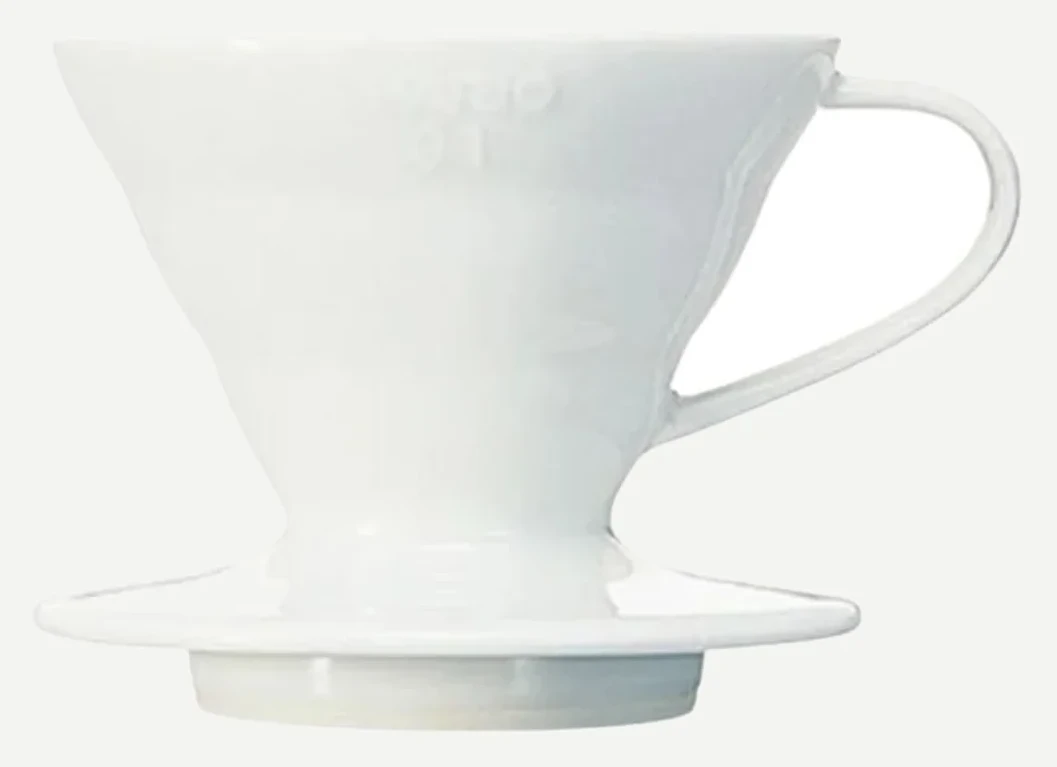
The Hario V60 is the most common point of comparison in this category. The V60 is available in ceramic, glass, and plastic, and uses spiral ribs that influence airflow and extraction in ways the cone's plain interior does not. Paper filters for the V60 add ongoing cost and waste that this dripper avoids. Buyers should check V60 sizing before choosing, since the 02 and 01 sizes serve different volumes.
Chemex drippers sit above this price point and use thick proprietary filters that produce a noticeably cleaner cup than any stainless mesh. If a sediment-free, bright brew is the priority, the filter type matters more than the price gap. Buyers who want no filter cost and a fuller body will find the Bean Envy a more direct fit.
- The V60 offers more documented brewing guidance and a wider accessory ecosystem, which suits buyers who want to follow established recipes.
- Chemex produces a cleaner cup through its thick paper filters, but those filters cost money on an ongoing basis.
- This dripper wins on filter running cost, since the stainless mesh is reusable and no paper replacements are needed.
- Buyers who want ceramic construction for better heat retention should check V60 ceramic options before deciding.
Is the Bean Envy Pour Over worth it?
At $34.99 with a reusable filter and borosilicate glass construction, this is a reasonable spend if the cup character from stainless mesh suits you.
The materials are honest for the price. Borosilicate glass, stainless steel, and silicone are durable choices that justify $34.99 without much argument. The reusable filter removes the one recurring cost that makes paper-filter drippers more expensive over time. For buyers who are comfortable with a fuller, oil-forward cup, the value is clear.
The case is weaker for buyers who want a cleaner extraction or detailed brewing guidance. The lack of published brew parameters means the learning curve is steeper than with more documented drippers. If that uncertainty matters, spending slightly more on a better-supported option is worth considering before committing.
Who should buy it (and who should not)
This dripper suits solo brewers who want low running costs and do not mind dialling in their own technique from scratch.
The 20 oz capacity and reusable filter make it a practical fit for one-person households that brew once a day and want to stop buying paper. The glass and stainless construction will last if cared for, and the price does not demand a large commitment.
It is less suited to anyone who wants step-by-step guidance from published brew ratios, or who prefers the clean, sediment-free cup that paper delivers. A household brewing for three or more people will also find the single-serve capacity limiting.
Buy it if
- You brew one or two cups a day and want to eliminate the ongoing cost of paper filters.
- You already know pour over technique and want a simple, low-cost glass dripper to replace one that broke.
- You prefer a fuller, richer cup body and are comfortable with the slight sediment that stainless mesh allows.
Skip it if
- You want a clean, sediment-free cup, since stainless mesh lets more oils and particles through than paper.
- You are new to pour over and want published brew ratios or grind guidance to start from.
- You regularly brew for three or more people and need a larger capacity than 20 oz per cycle.
Frequently Asked Questions
Is the Bean Envy Pour Over dishwasher safe?
Some parts are listed as dishwasher safe, but the maker recommends hand washing and rinsing with water. Running the borosilicate glass body through a dishwasher repeatedly can stress the material. A quick hand rinse after each brew is the safest and easiest routine for keeping both the glass and the stainless filter in good condition.
What filter does the Bean Envy Pour Over use?
It uses a reusable stainless steel mesh filter that comes included in the box. There are no paper filters to buy. The mesh allows coffee oils and some fine particles to pass through, which produces a fuller body and slightly heavier texture compared to a paper-filtered brew. Rinsing the mesh after each use keeps it performing well.
How much coffee does the Bean Envy hold?
The dripper has a capacity of 591 ml, or 20 oz. That is enough for one large mug or two smaller cups per brew cycle. It is designed as a single-serve dripper, so households that want to brew for three or more people would need to run multiple cycles, which adds time to the morning routine.
What material is the Bean Envy made from?
The body is single-walled borosilicate glass, which is heat-resistant and durable but does not insulate. The filter is stainless steel, and silicone is used for the seal components. The single-walled construction means the brew cools faster than it would in a double-walled design, so pre-warming the vessel before brewing is a useful habit.
Does the Bean Envy come with a carafe or server?
No accessories are listed as included. The dripper ships with the stainless steel filter but without a carafe, mug, or server. Buyers need their own vessel of the right size underneath before the first brew. The 20 oz capacity is the useful figure to match against whatever cup or jug you plan to use.
Is the Bean Envy good for beginners?
The setup is simple, with no moving parts and a straightforward cone design. New pour over brewers should expect a few brews spent finding the grind and pour rate they like, which is true of any open cone rather than of this one in particular. Beginners who want step-by-step guidance may find a more documented dripper easier to start with.