What is Eye of the Tiger?
An espresso blend that is never the same for more than three months.
Most espresso blends are built to taste identical all year, which means swapping coffees in and out quietly as harvests change. Equator Coffees does the opposite with Eye of the Tiger. Its Director of Coffee says the blend was developed to highlight in-season single origin coffees, and that the components and flavour change every three months. Equator calls it light, bright and always on the move, and pitches it at the more adventurous espresso drinker.
It is roasted medium-light and sold whole bean, or ground for French press, drip and pour over, or espresso.
What is in it this season
Costa Rica and Rwanda, as of October 2026.
- Costa Rica, Tarrazu. The base: a honey-processed Catuai grown by Hermanos Monge Urena at 4,900 to 5,700 feet and processed at the La Lia micro mill. Equator chose it for its rich body and sweet fruit and chocolate notes.
- Rwanda, Nyaruguru, Southern Province. A washed Bourbon from the Nyampinga Cooperative, grown at 5,800 feet. Equator says this is its twelfth year buying from the all-women cooperative, and that its citrus acidity and spice come through in espresso as cola and gingersnap.
Equator's tasting notes for this pairing are cherry cola, gingersnap and chocolate. Honey processing, where the coffee is dried with some of the sticky fruit still on the bean, sits between washed and natural: sweeter and heavier than a washed coffee, cleaner than a natural. That is why it makes a good espresso base. When the season turns, Equator updates the page, and the coffee in your bag will be different.
How fresh it arrives
Roasted after you order, with the date on the bag.
Equator roasts to order in small batches at its roastery on Jordan Street in San Rafael, California, Monday to Friday, and says orders ship from the roastery in one to two business days. The bag carries a ROASTED ON date on the bottom, so you can see exactly how old the coffee is rather than trusting a best-before date set a year out. That is the single most useful thing a coffee bag can print, and most supermarket bags do not. Equator ships within the US only, free on orders of $50 or more.
What it costs
Equator's espresso pricing, with the usual discount for big bags.
| Bag | Price | Per kilo | Per cup (15 g) |
|---|---|---|---|
| 340 g (12 oz) | $19.50 | $57.35 | $0.86 |
| 907 g (2 lb) | $44.25 | $48.79 | $0.73 |
| 2.27 kg (5 lb) | $104.00 | $45.86 | $0.69 |
Per-cup figures assume 15 g; an 18 g double costs a little more, about $1.03 from the 12 oz bag. The 5 lb bag brings it to $45.86 a kilo, but a seasonal blend argues for smaller bags: buy the 12 oz or 2 lb and you taste each season while it is fresh.
How to brew it
Equator's recipe: 18 g in, 46 g out, 23 seconds.
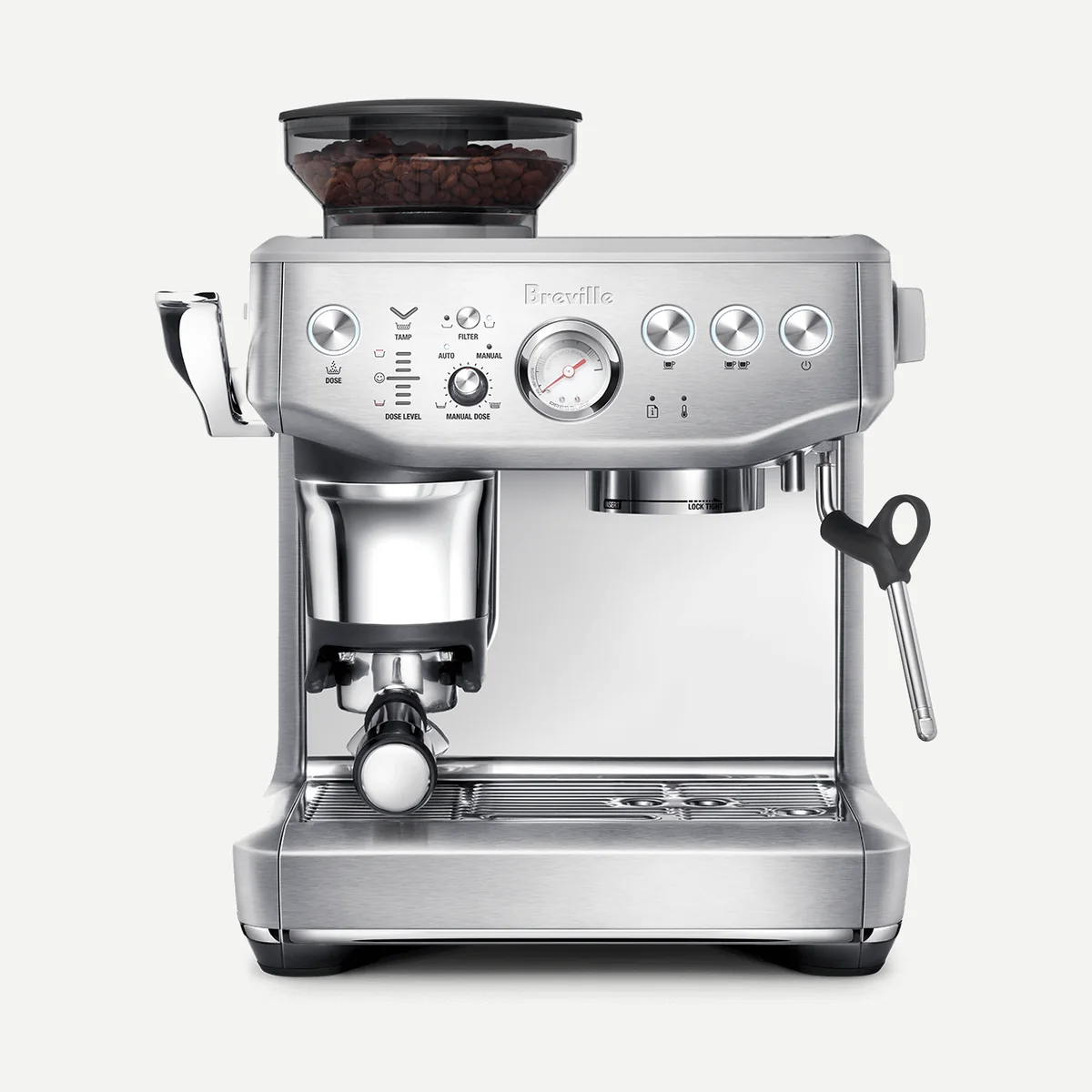
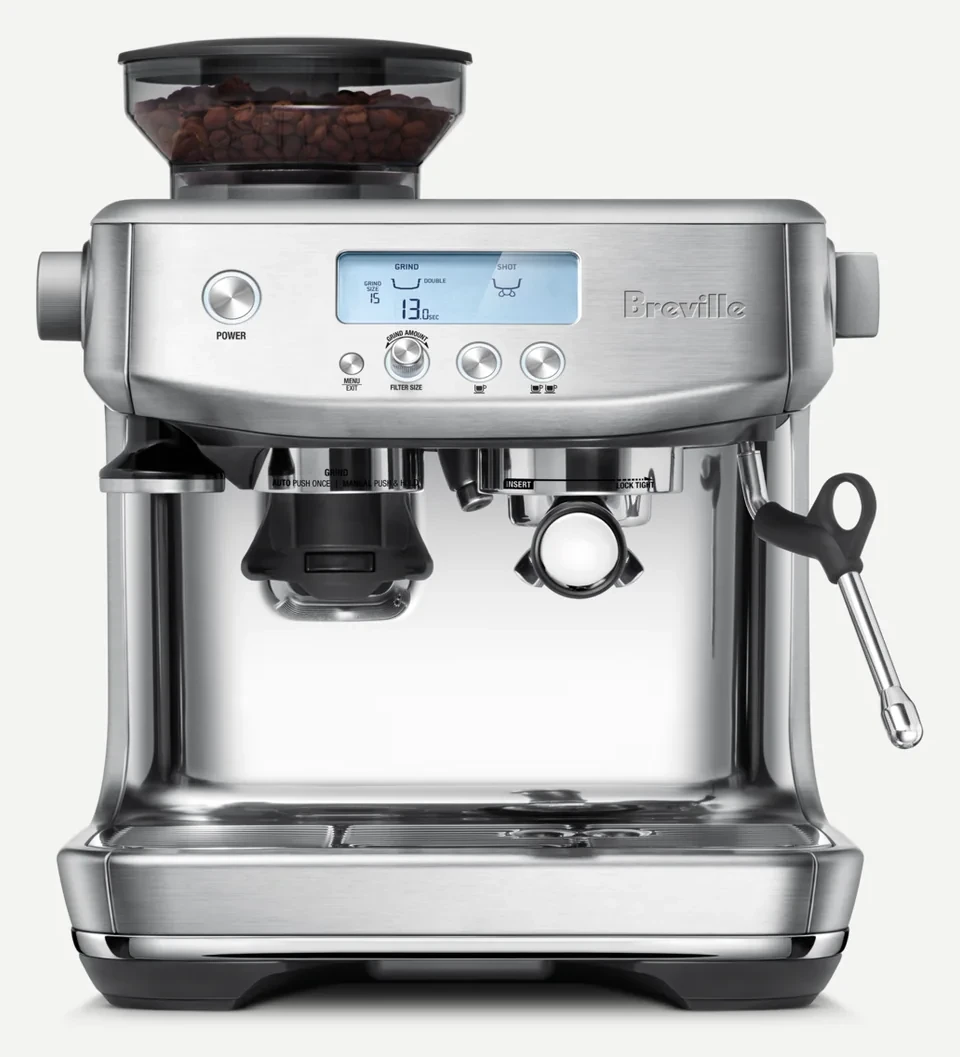
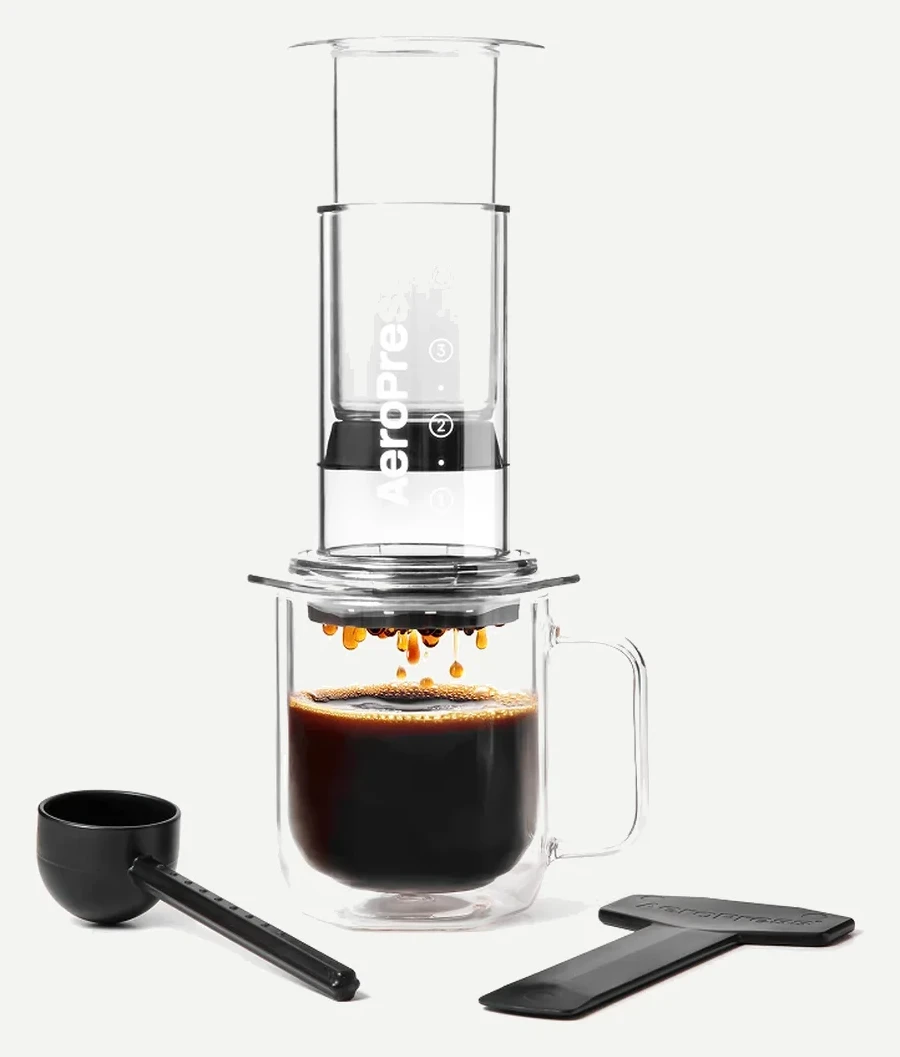
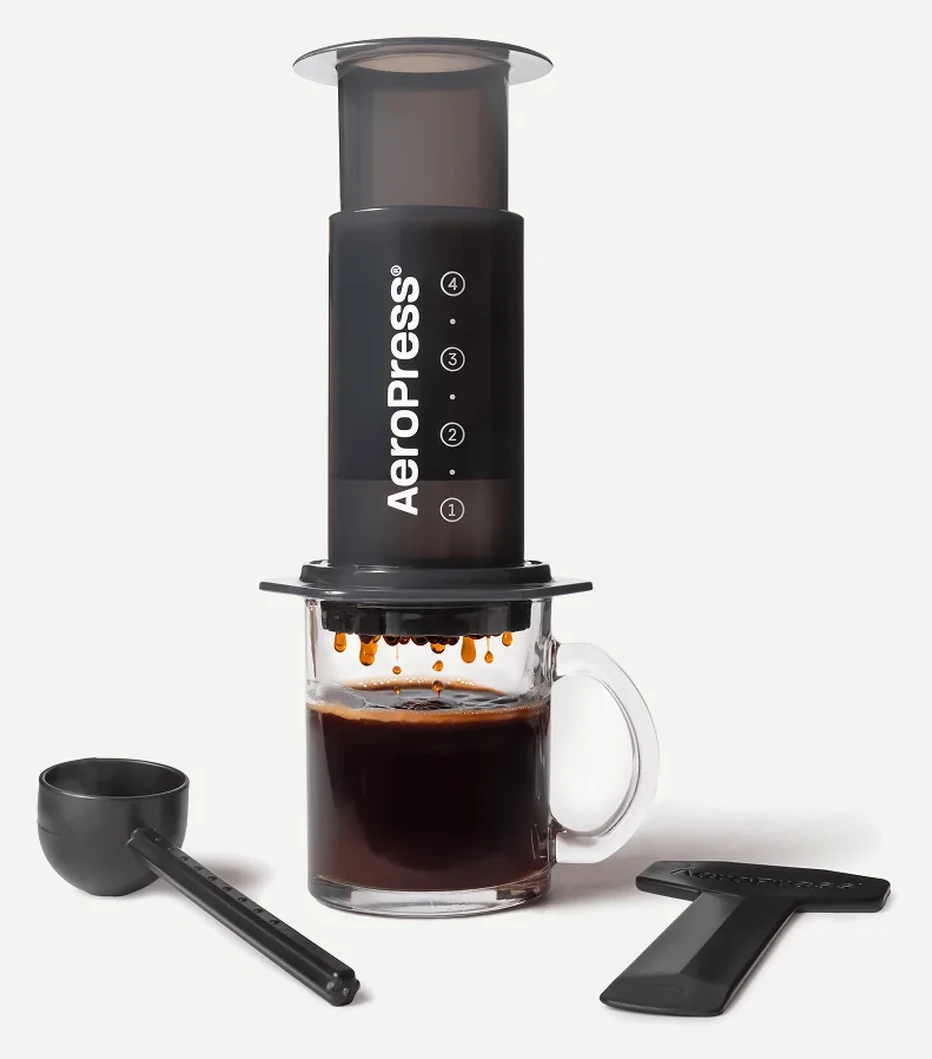
Equator's espresso recipe is for a Breville Barista Express: 18 g of coffee to 46 g of espresso, a 1:2.5 ratio, in 23 seconds. That is a longer ratio than a classic 1:2 shot, which suits a lighter roast: it pulls more sweetness out and softens the acidity. Equator also gives a moka pot recipe, 30 g to 300 g of water, and an AeroPress recipe, 18 g to 200 g. If a light espresso tastes sour, our guide to under-extracted espresso explains what to change.
Eye of the Tiger vs Jaguar Espresso
Equator's two ends of espresso.
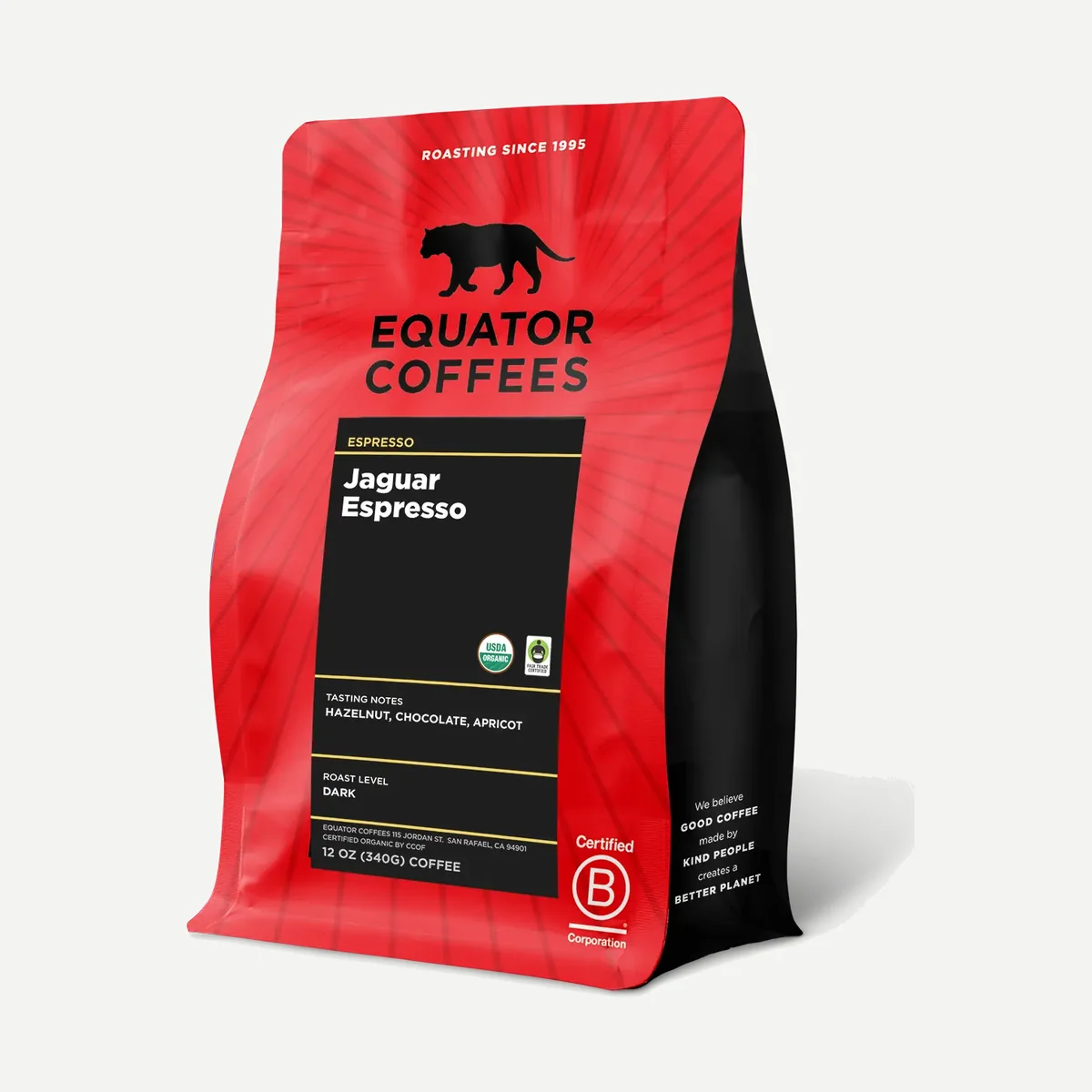
Jaguar Espresso is Equator's dark espresso, an organic, Fair Trade blend from Honduras and Sumatra with notes of bittersweet chocolate, baking spices, apricot and hazelnut, at the same $19.50, roasted dark enough to stand up to plenty of milk. Eye of the Tiger is lighter and changes every three months. Choose Jaguar for a dependable latte; choose Eye of the Tiger for straight shots and a reason to keep tasting. Dipsea sits between the two and is Equator's cheapest espresso.
Why the roast date matters
Coffee is at its best for weeks, not the year a best-before date implies.
Roasted coffee gives off carbon dioxide for days after roasting, which is why espresso tastes harsh and filter coffee bubbles hard in the first few days. After that it is at its sweetest for a few weeks, then slowly goes flat as the aromatic oils oxidise. A best-before date, usually set a year or more after packing, tells you nothing about where a bag sits on that curve. A printed roast date does. We list every coffee on the site that prints one in coffee with roast dates, and our scores give real weight to it.
Buy only what you will drink in about a month, keep it in the bag it came in or an airtight container, away from light and heat, and grind just before brewing. Do not keep beans in the fridge: they pick up moisture and smells.
Is Eye of the Tiger worth it?
For espresso drinkers who like change, yes.
It costs the same as Equator's other espressos and tells you more about what is in it. The catch is the rotation: if you find a season you love, it will be gone in three months. If you want one espresso to dial in once and keep, a fixed blend suits you better; our list of the best coffee beans for espresso ranks them.
Who should buy it (and who should not)
Buy it if
- You drink espresso straight and like light, fruity shots.
- You enjoy a coffee that changes with the seasons.
- You want to know which farms you are drinking.
Skip it if
- You want the same taste every time you reorder.
- You mostly drink milky drinks and like a dark shot.
- You live outside the US.
Frequently Asked Questions
What does Eye of the Tiger taste like?
This season, Equator lists cherry cola, gingersnap and chocolate. The notes change with the components every three months.
Is Eye of the Tiger a light roast?
Equator roasts it medium-light.
What is in Eye of the Tiger now?
As of October 2026, a honey-processed Costa Rican from Tarrazu and a washed Rwandan from the Nyampinga Cooperative.
Can I use Eye of the Tiger for drip coffee?
Yes. Equator sells it ground for drip and French press as well as espresso, though it is built for espresso.
How much is Eye of the Tiger?
$19.50 for 12 oz, $44.25 for 2 lb and $104 for 5 lb.