What is the Atlas Decaf?
Origin's permanent decaf: a Colombian from Caldas, grown between 1,400 and 1,800 metres, produced by a women-led group, and decaffeinated by the sugarcane process. The published notes are apple, chocolate and caramel, with a medium crisp acidity, a medium round body and a long sweet finish.
Origin describes Atlas as a woman-led, supported and empowered coffee, and frames the aim of its decaf programme as a balanced and approachable cup rather than a showpiece.
The method is the point
Decaffeination splits into solvent routes, which use methylene chloride or ethyl acetate, and solvent-free routes, which use water, CO2 or sugarcane-derived ethyl acetate. Roasters who use the solvent-free methods almost always say so, because it is the thing decaf buyers ask about first.
Origin names it. Against the rest of this site that is unusual: Nespresso sells three decaf capsules and states a method on none of them, and most decaf bags manage "decaffeinated" and nothing further. Only Peet's Decaf House Blend, which prints water process on the pack, does the same thing.
What the transparency panel says, and what it leaves out
A cup score of 84, 21% over the Fairtrade minimum, and a relationship dated to 2022. Eighty-four is comfortably inside speciality territory and it is the only published cup score on any decaf in this catalogue.
What is missing is the price paid. Both anniversary coffees print an FOB figure in the same panel and this one does not, which is worth noticing rather than glossing: the transparency is real but it is not uniform across the range. A 21% premium is also a much smaller gesture than the 178% and 233% on the anniversary lots.
Atlas Decaf vs Nespresso Vertuo Melozio Decaffeinato
These answer the same question in opposite ways. The Atlas is £14.75 for 250g of whole bean or ground, names its origin, its producers, its elevation and its decaffeination method, and publishes a cup score. The Melozio Decaffeinato is $1.45 a capsule, publishes a taste panel and a dose, and says nothing about how the caffeine was removed.
The capsule wins on convenience and nothing else. If what you want is a decaf whose provenance you can check, only one of these two offers it.
Is the Atlas Decaf worth it?
At about £59 a kilo it is expensive for a decaf, and decaf usually attracts a discount rather than a premium. What you are paying for is a speciality green coffee that happens to be decaffeinated, rather than a commodity lot processed into decaf, and the cup score is the evidence that distinction is real.
It is also a permanent line, which the two anniversary coffees are not, so it is the one of the three you can actually build a habit on.
Who should buy it (and who should not)
Buy it if
You drink decaf regularly and have been frustrated by bags that will not say how it was made. You want solvent-free and want that stated. You want a decaf good enough to brew as filter rather than only to hide in milk.
Skip it if
Price per kilo is your first filter, because £59 buys a lot of caffeinated coffee. You want the FOB transparency the anniversary coffees carry, which this one does not publish. Or you want a named varietal, where this says only mixed.
Frequently Asked Questions
Is the sugarcane process chemical-free?
It uses ethyl acetate derived from sugarcane fermentation, which is why it is usually described as natural rather than solvent-free in the strictest sense. Origin calls it an all-natural sugarcane process. It is not the methylene chloride route, which is the distinction most buyers are asking about.
How does a cup score of 84 compare?
Eighty and above is the speciality threshold on the Specialty Coffee Association's hundred-point scale. Eighty-four is solidly speciality, and it is below the 86.5 and 87.5 of Origin's anniversary coffees, which is what you would expect: decaffeination costs a coffee something.
Why is there no price paid figure for this coffee?
Origin does not publish one for it, though it does for both anniversary lots in the same panel. We record what is published and do not fill gaps, so the field is empty here rather than estimated.
Is it available ground?
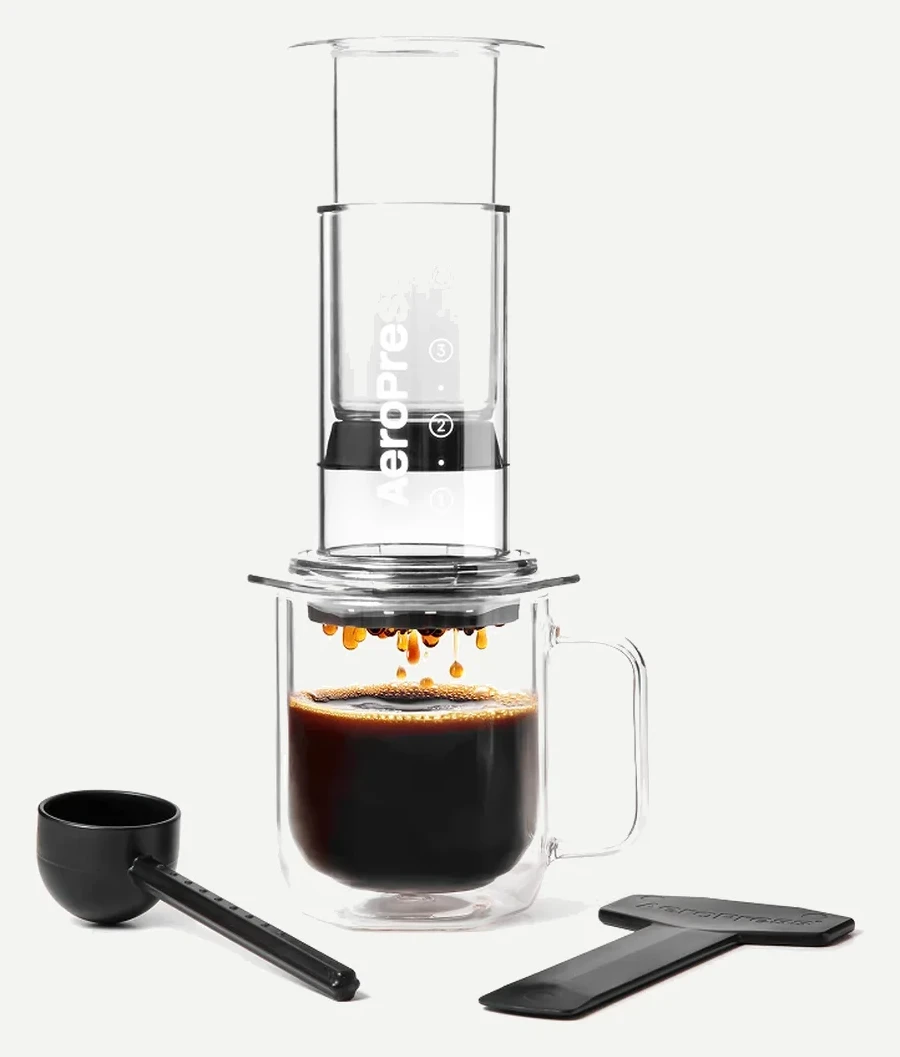
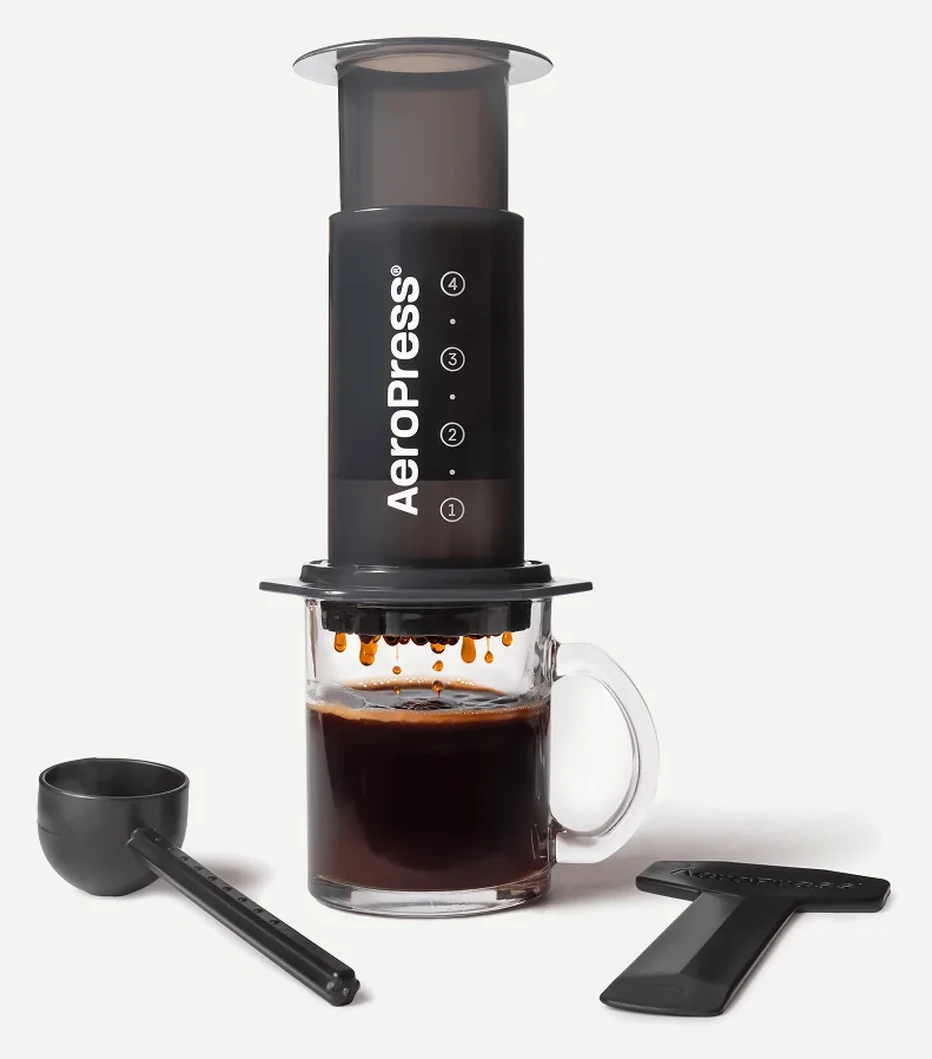
Yes, whole bean or ground for espresso, AeroPress or filter, in 250g or 1kg.