What is Caxambu?
A mellow Brazilian espresso with an unusual way of crossing the ocean.
Caxambu is grown by Carmen Lucia Chaves de Brito in Tres Pontas, Sul de Minas, at 970 to 1,200 metres. The variety is Yellow Catuai and the process is natural. Origin Coffee roasts it for espresso and describes a softly rounded coffee with a mellow, refined character. Its tasting panel lists raisin, hazelnut and milk chocolate, with a mild, apple-like acidity, a medium, creamy body and a short, dried-fruit finish. Origin scores it 84.5 and has bought from Carmen Lucia since 2022.
Carmen Lucia is also one of the four producers behind Origin's Beija Flor.
What shipped by sail means
A 19-tonne trial of wind-powered freight, and Origin is candid about its limits.
Almost all coffee crosses the ocean in container ships burning heavy fuel oil. This lot crossed the Atlantic under sail: a 19-tonne shipment from Brazil to France, working with partners BELCO. Origin says its goal is direct sail freight all the way to Falmouth, in Cornwall, but that this first shipment went by sail only as far as France and finished conventionally. It calls the shipment a learning phase, a way to test the system with a real volume of coffee.
That candour is worth noting. A bag that said simply "shipped by sail" would let you assume the whole route; Origin's own FAQ explains that it was not. What you are buying is a step towards lower-carbon freight, not a zero-carbon coffee.
Origin is a certified B Corp and publishes a Transparency panel that almost no other roaster on this site offers: the price it paid for the green coffee (free on board, per pound), how far that sits above the Fairtrade minimum, the cup score, and how long it has bought from the producer. Those figures are on the page as facts. We do not score them, because too few roasters publish them for a fair comparison, but they are the clearest evidence of how a roaster treats its farms that you will find on a bag.
How to brew it
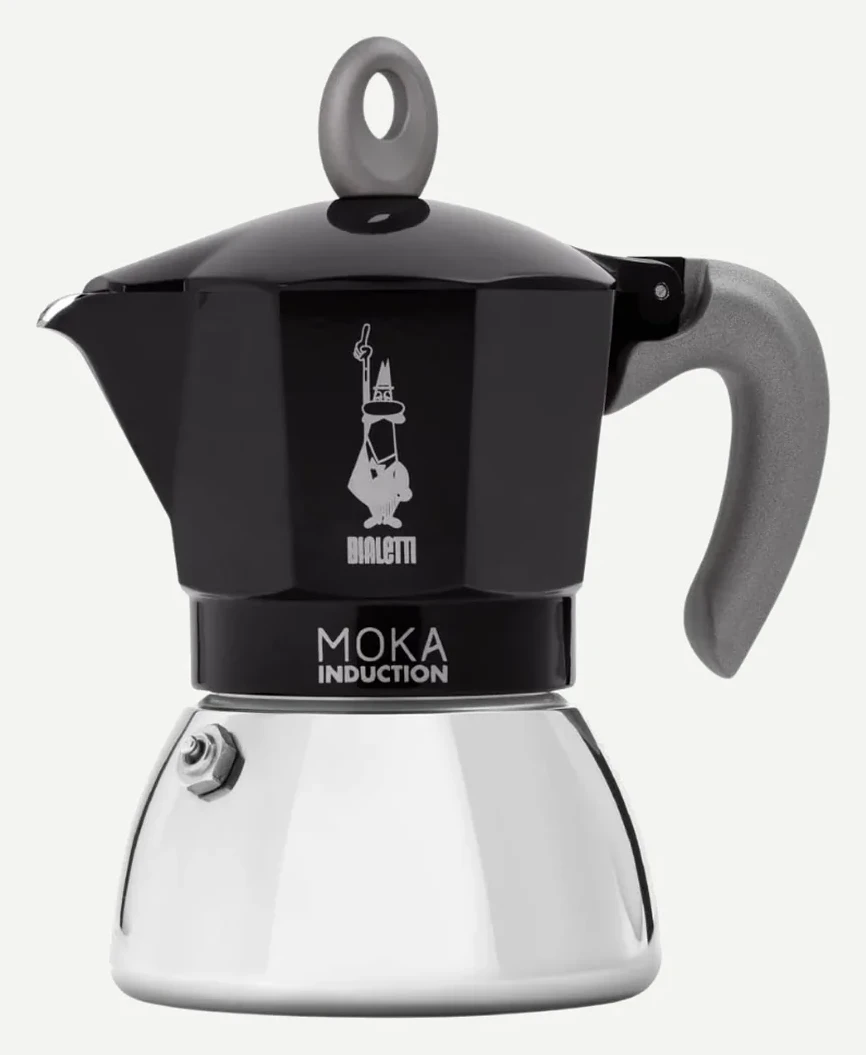
Roasted for espresso; gentle enough for a moka pot or AeroPress.
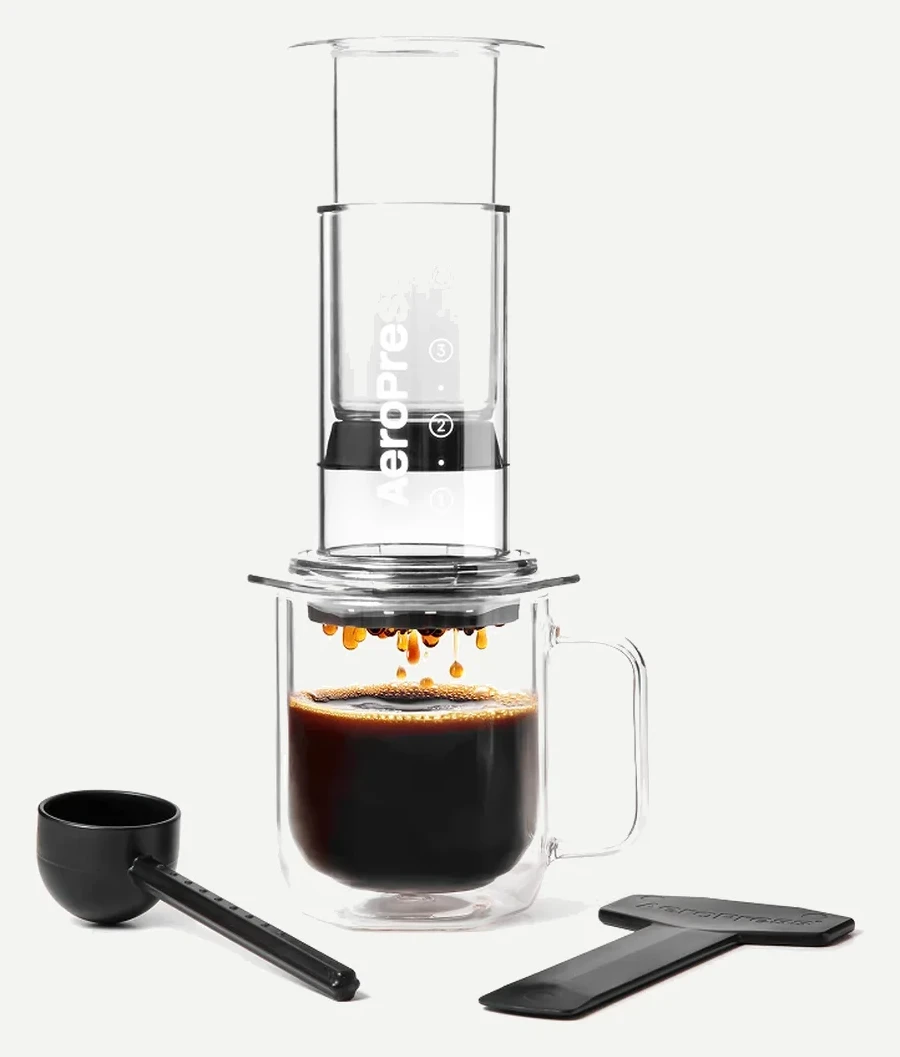
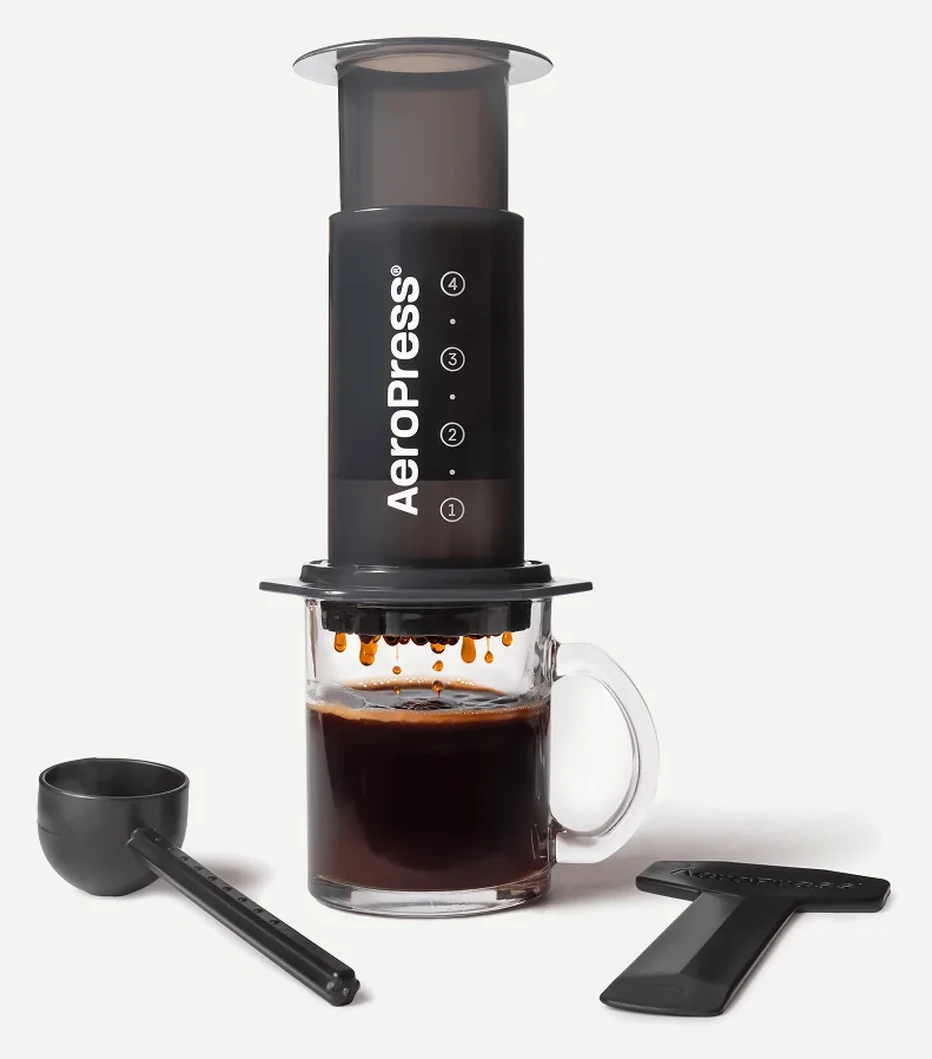
A soft, low-acid natural Brazilian makes a sweet, round espresso that sits well under milk. It is less intense than Origin's Stronghold, so it also works as a mellow AeroPress or moka pot coffee. Our guide on how to use an AeroPress has a starting recipe.
Caxambu vs Beija Flor
Two natural Brazilians, one from the same producer.
Beija Flor blends four women-led farms and leans sweet and creamy with apricot. Caxambu is one producer's Yellow Catuai, softer and more dried-fruit, and 45p dearer for 250 g but cheaper by the kilo. Choose Caxambu for the sail story and a mellow shot; Beija Flor for more sweetness and body.
Why the roast date matters
Coffee is at its best for weeks, not the year a best-before date implies.
Roasted coffee gives off carbon dioxide for days after roasting, which is why espresso tastes harsh and filter coffee bubbles hard in the first few days. After that it is at its sweetest for a few weeks, then slowly goes flat as the aromatic oils oxidise. A best-before date, usually set a year or more after packing, tells you nothing about where a bag sits on that curve. A printed roast date does. We list every coffee on the site that prints one in coffee with roast dates, and our scores give real weight to it; Origin stamps it on every bag.
Buy only what you will drink in about a month, keep it in the bag it came in or an airtight container, away from light and heat, and grind just before brewing. Do not keep beans in the fridge: they pick up moisture and smells.
Is Caxambu worth it?
If lower-carbon freight matters to you, yes.
It is a pleasant, well-sourced Brazilian with a story that is told honestly. US buyers pay international postage, which works against the low-carbon idea; see our list of the best coffee beans for espresso for domestic options.
Who should buy it (and who should not)
Buy it if
- You want to support lower-carbon coffee freight.
- You like soft, sweet, low-acid espresso.
- You live in the UK.
Skip it if
- You expected the whole route to be by sail.
- You like bright, punchy espresso.
- You are in the US and want to avoid international postage.
Freshness and shipping
Roasted the day after you order, with the date stamped on the bag.
Origin roasts in Cornwall and says an order placed before midnight is roasted and despatched the next working day. The roast date is stamped on the bag, and Origin suggests resting the coffee for five to fourteen days from that date before brewing. Delivery in the UK is free over £35. International orders go by Royal Mail and must weigh under 1.75 kg, so one 1 kg bag fits but two do not. Origin does not publish what international postage costs; the checkout prices it. Its subscriptions are for UK addresses only.
What it costs
Two bag sizes, priced in pounds.
| Bag | Price | Per kilo | Per cup (15 g) |
|---|---|---|---|
| 250 g | £12.95 | £51.80 | £0.78 |
| 1 kg | £35.50 | £35.50 | £0.53 |
Per-cup figures assume 15 g of coffee. The 1 kg bag works out at £35.50 a kilo against £51.80 in the 250 g bag, so it is the better buy if you can finish it while it is fresh. Prices are in pounds because Origin sells from the UK; a US order pays international postage on top, priced at checkout.
Frequently Asked Questions
Was Caxambu shipped all the way by sail?
No. Origin says the 19-tonne shipment went by sail from Brazil to France, and on conventionally from there.
Who grows Caxambu?
Carmen Lucia Chaves de Brito, in Tres Pontas, Sul de Minas, Brazil.
What does Caxambu taste like?
Origin lists raisin, hazelnut and milk chocolate, with a mild acidity and a creamy body.
How much is Caxambu?
£12.95 for 250 g and £35.50 for 1 kg.