What is Chelangat?
A bright, citrusy introduction to Ugandan arabica.
Chelangat is part of a new range of Ugandan coffees from Origin Coffee, which says it wants to offer a fresh perspective on an origin with real momentum. Uganda grows far more robusta than arabica, and most of its coffee goes into blends and instant coffee. Its arabica comes mainly from the high slopes of Mount Elgon on the Kenyan border, and that is where Chelangat is grown.
Origin describes prominent citrus acidity balanced by soft fruit sweetness. Its tasting panel lists orange, plum and milk chocolate, with a bright, lemony acidity, a delicate, silky body and a short, biscuity finish. Origin scores it 84.
Where it comes from
Sipi, Mount Elgon, at 2,000 to 2,300 metres.
The coffee is grown by 231 smallholders around Sipi, on Mount Elgon, at 2,000 to 2,300 metres, which is high for any coffee. The varieties are Nyasaland, an old Typica-family variety named after the former name of Malawi, with SL14 and SL28, selections first developed in neighbouring Kenya. The process is washed. High altitude slows the cherry's ripening, and that is a large part of why the cup is so bright.
What Origin paid for it
$4 a pound, 122% above the Fairtrade minimum.
Origin is a certified B Corp and publishes a Transparency panel that almost no other roaster on this site offers: the price it paid for the green coffee (free on board, per pound), how far that sits above the Fairtrade minimum, the cup score, and how long it has bought from the producer. Those figures are on the page as facts. We do not score them, because too few roasters publish them for a fair comparison, but they are the clearest evidence of how a roaster treats its farms that you will find on a bag.
For Chelangat the panel shows a free-on-board price of $4.00 a pound, 122% over the Fairtrade minimum, and a relationship that began in 2026. That is more than Origin paid for its Pathfinder Kenyan ($3.37) and a little less than for Los Altos ($4.25), from a family it has bought from since 2011.
How to brew it
Tagged by Origin for both filter and espresso.
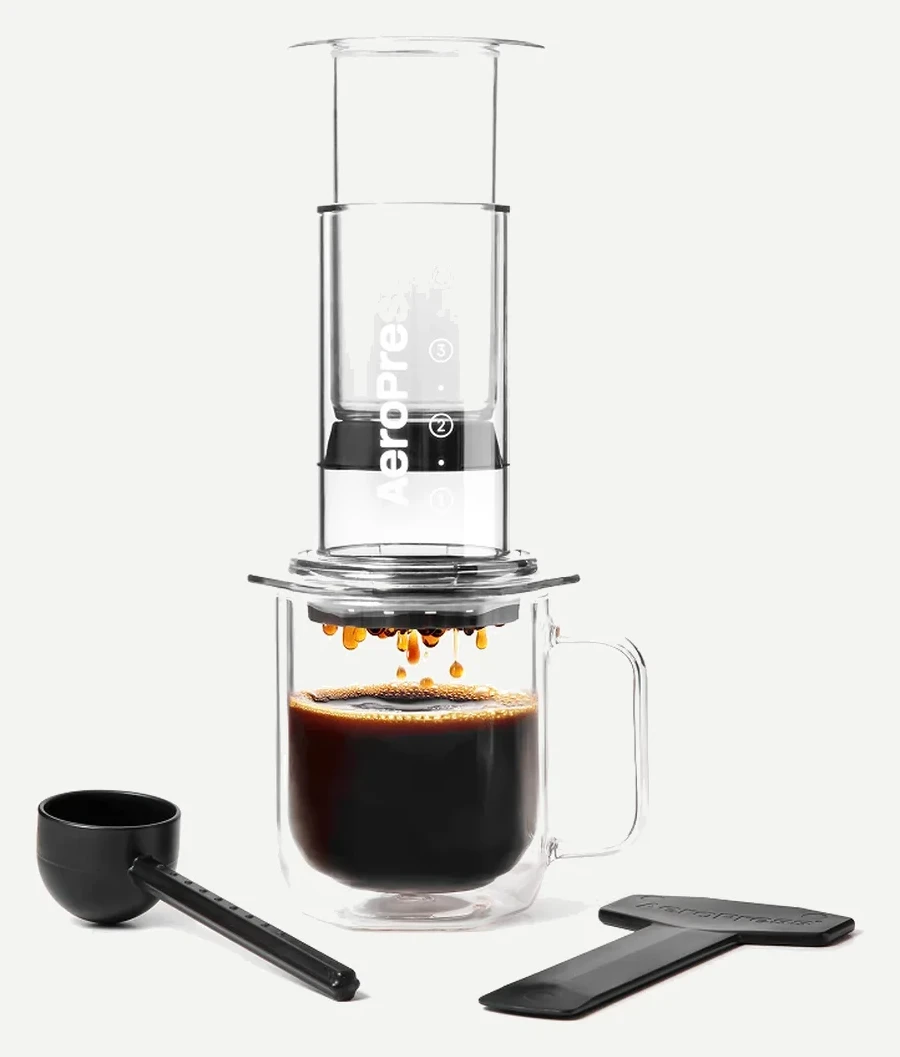
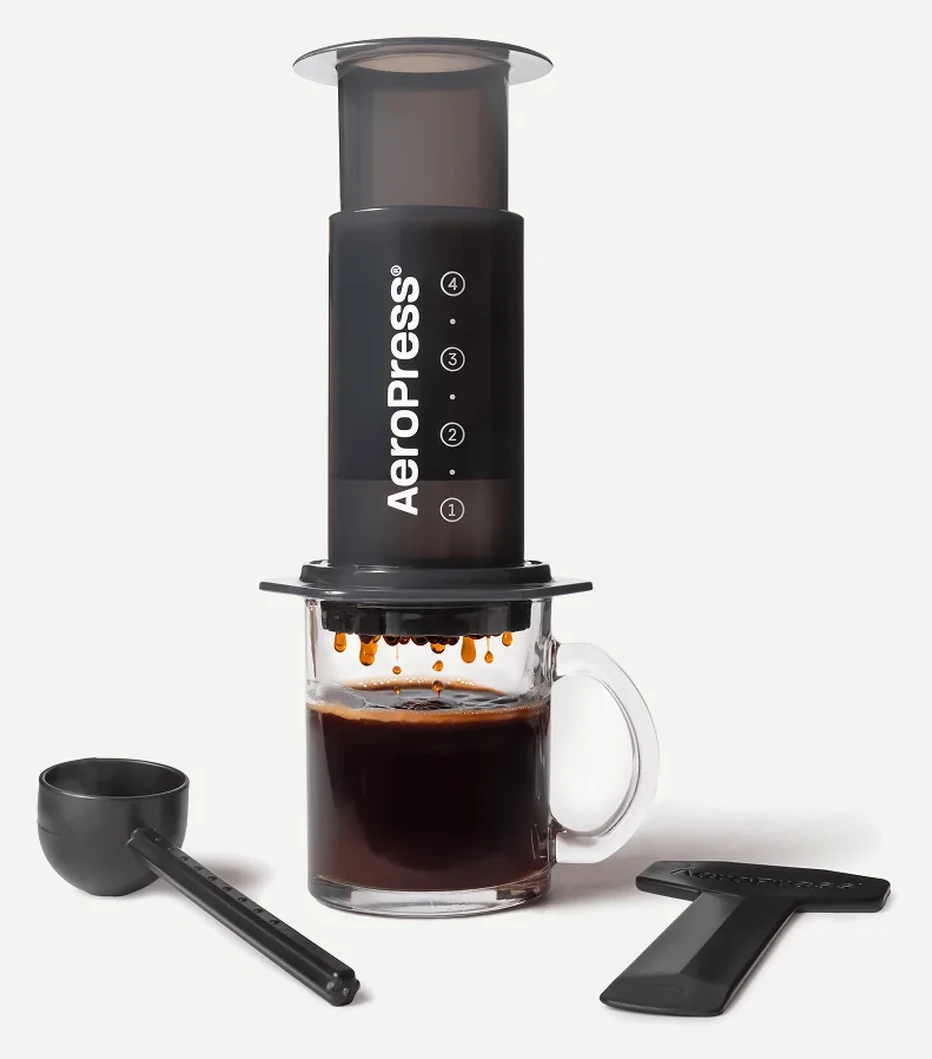
A bright, silky washed coffee shows its citrus best as filter. Start a pour over at around 1:16, 15 g of coffee to 250 g of water, and adjust the grind until the lemon tastes sweet rather than sharp. As espresso it makes a lively, fruity shot that works better straight than under a lot of milk. Our guide on how to use an AeroPress has a forgiving starting recipe for a single cup.
Chelangat vs Los Altos
Two washed single origins from Origin, one bright and one round.
Los Altos is a washed Nicaraguan from the Mierisch family, smoother and rounder, with green apple, prune and roasted hazelnut, at £12.50 for 250 g. Chelangat is brighter and more citrus-led, from a newer relationship, and costs £3.25 more. Choose Los Altos for an easy everyday cup; choose Chelangat if you like bright, fruity coffee and want to try Uganda. For other single origins, see single origin coffees we have scored.
Why the roast date matters
Coffee is at its best for weeks, not the year a best-before date implies.
Roasted coffee gives off carbon dioxide for days after roasting, which is why espresso tastes harsh and filter coffee bubbles hard in the first few days. After that it is at its sweetest for a few weeks, then slowly goes flat as the aromatic oils oxidise. A best-before date, usually set a year or more after packing, tells you nothing about where a bag sits on that curve. A printed roast date does. We list every coffee on the site that prints one in coffee with roast dates, and our scores give real weight to it.
Buy only what you will drink in about a month, keep it in the bag it came in or an airtight container, away from light and heat, and grind just before brewing. Do not keep beans in the fridge: they pick up moisture and smells.
Is Chelangat worth it?
For bright-coffee drinkers curious about Uganda, yes.
It is dearer than Origin's other single origins, and the transparency figures show where some of that goes: Origin paid more than double the Fairtrade minimum for it. US buyers pay international postage on top, so for them it is an occasional bag rather than an everyday one.
Who should buy it (and who should not)
Buy it if
- You like bright, citrusy filter coffee.
- You want to try arabica from Uganda.
- You care what the roaster paid the farmers.
Skip it if
- You prefer low-acid, chocolatey coffee.
- You want a named single farm.
- You are in the US and want to avoid international postage.
Freshness and shipping
Roasted the day after you order, with the date stamped on the bag.
Origin roasts in Cornwall and says an order placed before midnight is roasted and despatched the next working day. The roast date is stamped on the bag, and Origin suggests resting the coffee for five to fourteen days from that date before brewing. Delivery in the UK is free over £35. International orders go by Royal Mail and must weigh under 1.75 kg, so one 1 kg bag fits but two do not. Origin does not publish what international postage costs; the checkout prices it. Its subscriptions are for UK addresses only.
What it costs
Two bag sizes, priced in pounds.
| Bag | Price | Per kilo | Per cup (15 g) |
|---|---|---|---|
| 250 g | £15.75 | £63.00 | £0.94 |
| 1 kg | £40.00 | £40.00 | £0.60 |
Per-cup figures assume 15 g of coffee. The 1 kg bag works out at £40.00 a kilo against £63.00 in the 250 g bag, so it is the better buy if you can finish it while it is fresh. Prices are in pounds because Origin sells from the UK; a US order pays international postage on top, priced at checkout.
Frequently Asked Questions
Where is Chelangat coffee from?
Sipi, on Mount Elgon in eastern Uganda, grown by 231 smallholders at 2,000 to 2,300 metres.
What does Chelangat taste like?
Origin lists orange, plum and milk chocolate, with a bright lemon acidity and a silky body.
Is Chelangat good for espresso?
Origin tags it for both filter and espresso. It makes a bright, fruity shot best drunk without much milk.
How much is Chelangat?
£15.75 for 250 g and £40 for 1 kg.