Peaberry Coffee: What It Is and Why It Costs More
A peaberry is a single round bean from a cherry that formed one seed instead of two, and it is rarer, but not automatically better, than a regular bean.
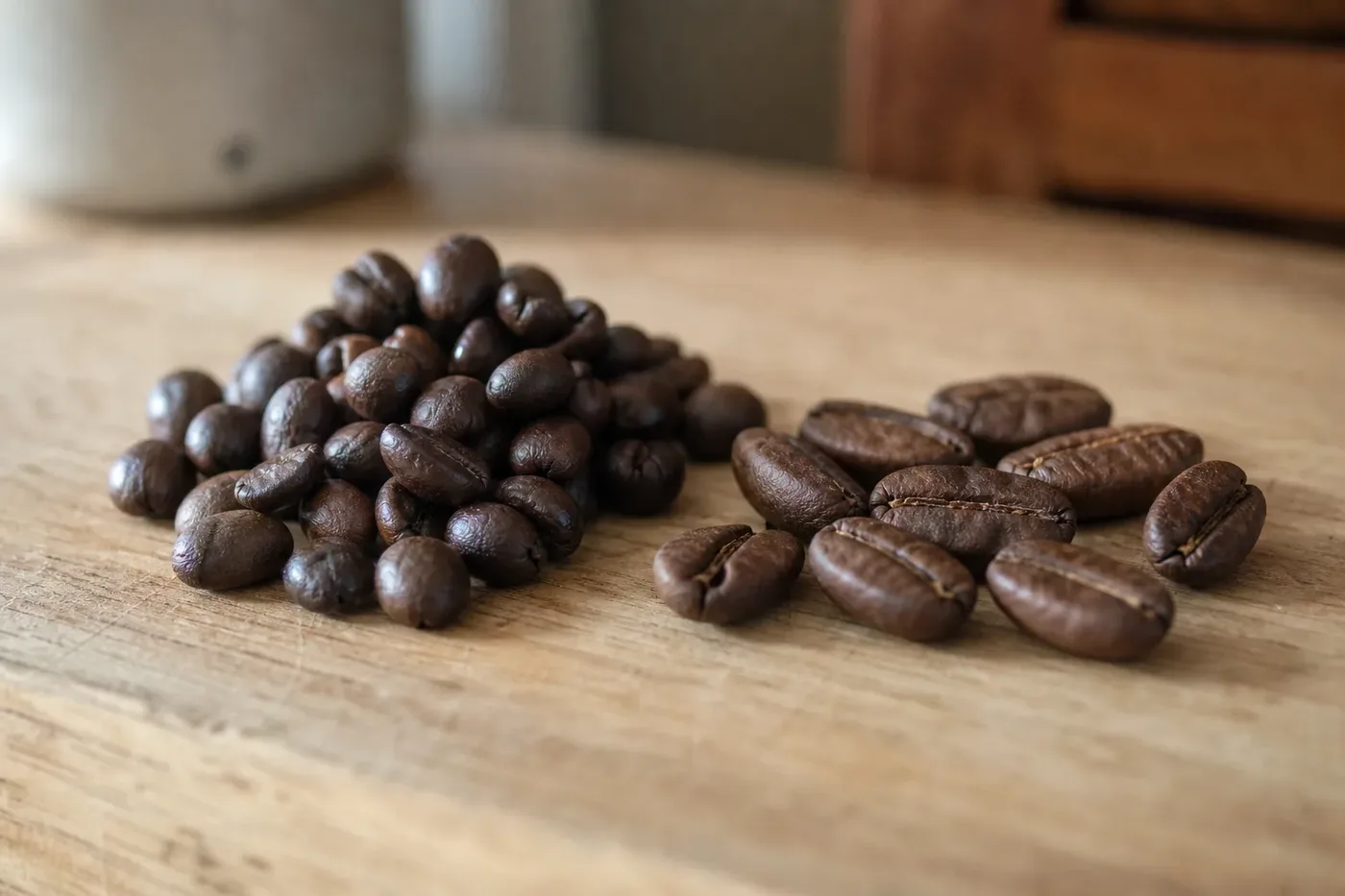
A peaberry is a coffee bean that grew alone inside its cherry. Most cherries hold two seeds that press against each other and end up flat on one side. When only one seed develops, it fills the space by itself and comes out smaller, rounder and more oval. It is a natural quirk of the plant, not a separate variety, and it turns up in Arabica and Robusta alike.
What is a peaberry coffee bean?
A peaberry is a single, rounded bean from a coffee cherry that formed one seed instead of two. It is the same species and plant as the flat beans around it, picked and sorted out of the same harvest.
Pick up a handful of ordinary green coffee and nearly every bean has a flat face and a curved back, the shape you get when two seeds share a cherry. A peaberry has no flat face. Wikipedia describes it as a case where only one seed is fertilized and develops as a single oval bean. Why that happens in a given cherry is not well explained in the sources we read, so be wary of anyone who gives you a neat story about it.
How rare is peaberry coffee?
Sources agree that peaberries are a small slice of the crop, but they do not agree on the exact slice. Wikipedia says typically around 5 percent of harvested beans. One coffee site gives 4 to 5 percent, and a Kona estate says its peaberries are only 3 to 5 percent of the harvest. Other sellers quote higher figures, up to 10 percent, usually without saying where the number comes from. Treat it as a few percent of a normal harvest, with some variation by farm and year.
Peaberries occur in every growing region and variety. What differs is whether a producer bothers to separate them. Tanzania is the origin most often tied to peaberry on the market, and the peaberry grade of Hawaiian Kona coffee has become well known too. Many other countries sort them out as well, but not every farm does.
Peaberry vs regular coffee beans
Peaberry
Small, round and oval. Pulled out of the harvest by sorting, often by hand. Usually sold as its own lot and priced higher, often with the claim of a brighter, sweeter cup.
Regular flat beans
One flat face and one curved back. Make up the large majority of any harvest. Sold as the standard grade of the same farm or region, and the base for most coffee you buy.
The two come from the same trees, so any difference in the cup has to come from the shape or from how the lot was handled, not from the plant. That matters when you compare prices. A peaberry lot from a good estate may well beat a mediocre flat-bean lot, but that says more about the estate than about the bean shape.
Does peaberry coffee taste different?
Some people say yes. A German roaster's glossary, quoted by Wikipedia, says peaberry is typically more brightly acidic, more complex in the upper aromas and somewhat lighter in body than flat beans from the same batch. Other sellers describe a sweeter, more concentrated cup. A Kona retailer lists "tastes better" as unconfirmed, though its own blind cuppings favored peaberry and described a smooth, sweet cup with buttery, chocolate notes.
The honest summary is that the evidence is thin and mostly from people who sell the coffee. One guide puts it plainly: origin, processing, roast and freshness matter more than bean shape, and the benefit is not guaranteed. A fresh, well-roasted flat-bean coffee will usually beat a stale peaberry.
Why does peaberry coffee cost more?
Mostly labor and scarcity. Separating a few percent of beans from a harvest takes extra sorting, and the farmer ends up with a smaller lot to sell. The Kona retailer says peaberries are hand sorted, which adds time and cost. Roasters also tend to roast peaberries as their own batch so the beans heat in a similar way, which is another step.
The price gap varies. Some peaberries sell for little more than the flat-bean grade of the same estate, and others carry a bigger premium because they come from a famous region. If you want to try one, a Tanzanian lot is an easy place to start, such as the Volcanica Tanzania Peaberry.
How do you roast peaberry coffee?
Peaberries are denser and rounder than flat beans, so many roasters adjust their roast profile for them. The popular claim is that the round shape rolls around in the drum and heats more evenly. Wikipedia notes that this explanation has not been substantiated, and one guide points out that it cites no data. What roasters do agree on is that mixing peaberries and flat beans in one batch is a bad idea, because beans of different size and density finish at different times.
At home, the practical advice is simple. Buy a roast date, check that the beans are the same size, and brew as you normally would. Nothing about a peaberry needs special equipment.
Is peaberry coffee worth buying?
Buy it if the lot is fresh, from a farm you trust and priced within reason. Skip it if the only selling point is the word peaberry.
Look for the origin, farm or mill, and the roast date on the bag. A single-origin peaberry from a named estate is a better bet than an unlabeled blend, since a bag with no origin cannot be checked. If you want to compare, buy a peaberry and the regular grade from the same producer and taste them side by side. Our pick of coffee beans is a good place to look, and once you have a bag, store the beans airtight and away from light so you taste the coffee and not the age.
Caffeine is worth a note, because people ask. One guide says caffeine depends on variety, origin and processing, not bean shape, so do not expect a peaberry to kick harder. Peaberries form in both species, and the Arabica and Robusta differences still decide most of the flavor.
Peaberry coffee FAQ
What is a peaberry coffee bean?
A peaberry is a coffee bean that developed alone inside its cherry. Most cherries hold two seeds that flatten against each other, but a peaberry cherry holds one, so the bean comes out smaller and rounder. It is a natural quirk that occurs in both Arabica and Robusta, not a separate variety.
How much of the coffee harvest is peaberry?
Sources give a few percent. Wikipedia says typically around 5 percent, a Kona estate says 3 to 5 percent, and some sellers quote up to 10 percent. The exact share varies by farm, variety and year, and the higher numbers are rarely backed by a stated source.
Is peaberry coffee better than regular coffee?
Not automatically. Some roasters describe peaberry as brighter and sweeter, but the evidence is mostly from sellers, and guides note that origin, processing, roast and freshness matter more than bean shape. A fresh flat-bean coffee can easily beat a stale peaberry.
Why is peaberry coffee more expensive?
Peaberries are only a few percent of a crop and have to be separated from the flat beans, often by hand. That sorting adds labor and leaves the farmer with a small lot. Roasters also usually roast peaberry as its own batch, which adds another step.
Does peaberry have more caffeine?
There is no solid evidence that it does. One coffee guide says caffeine depends on variety, origin and processing rather than bean shape, though it allows that some lots might test slightly higher. A peaberry should not be treated as a stronger or more caffeinated coffee.
Where does peaberry coffee come from?
Peaberries form in every coffee growing region and variety. Tanzania is the origin most often linked with peaberry on the market, and the peaberry grade of Hawaiian Kona coffee is well known. Not every country or farm separates them out, so the label matters.
Reviewed on this site
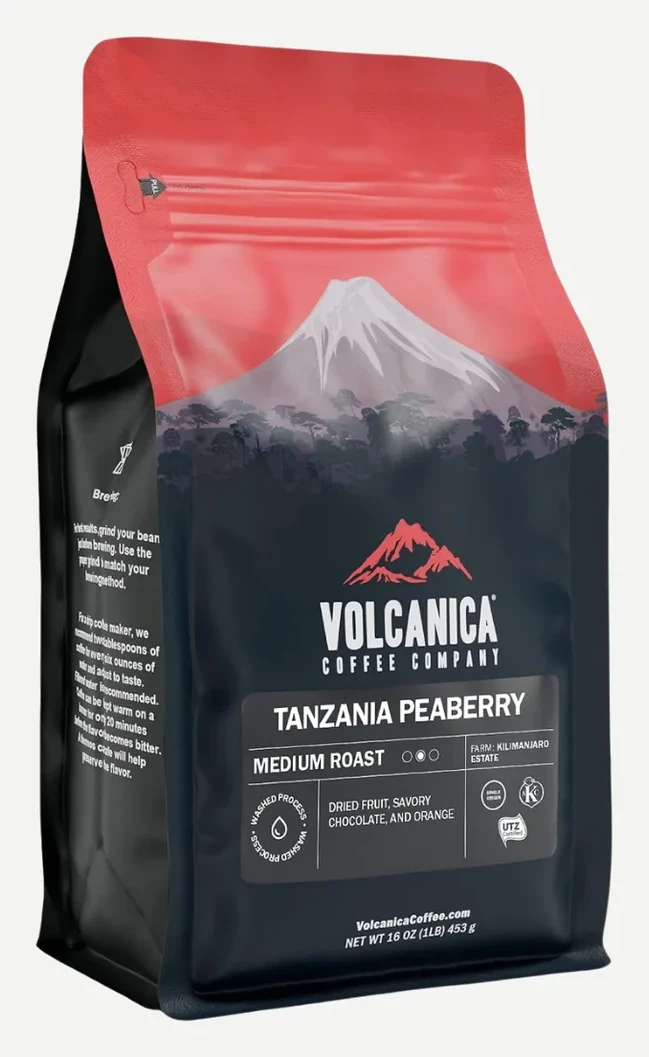 Volcanica Tanzania Peaberry Mount KilimanjaroVolcanica's most-bought coffee, and the one peaberry on this site
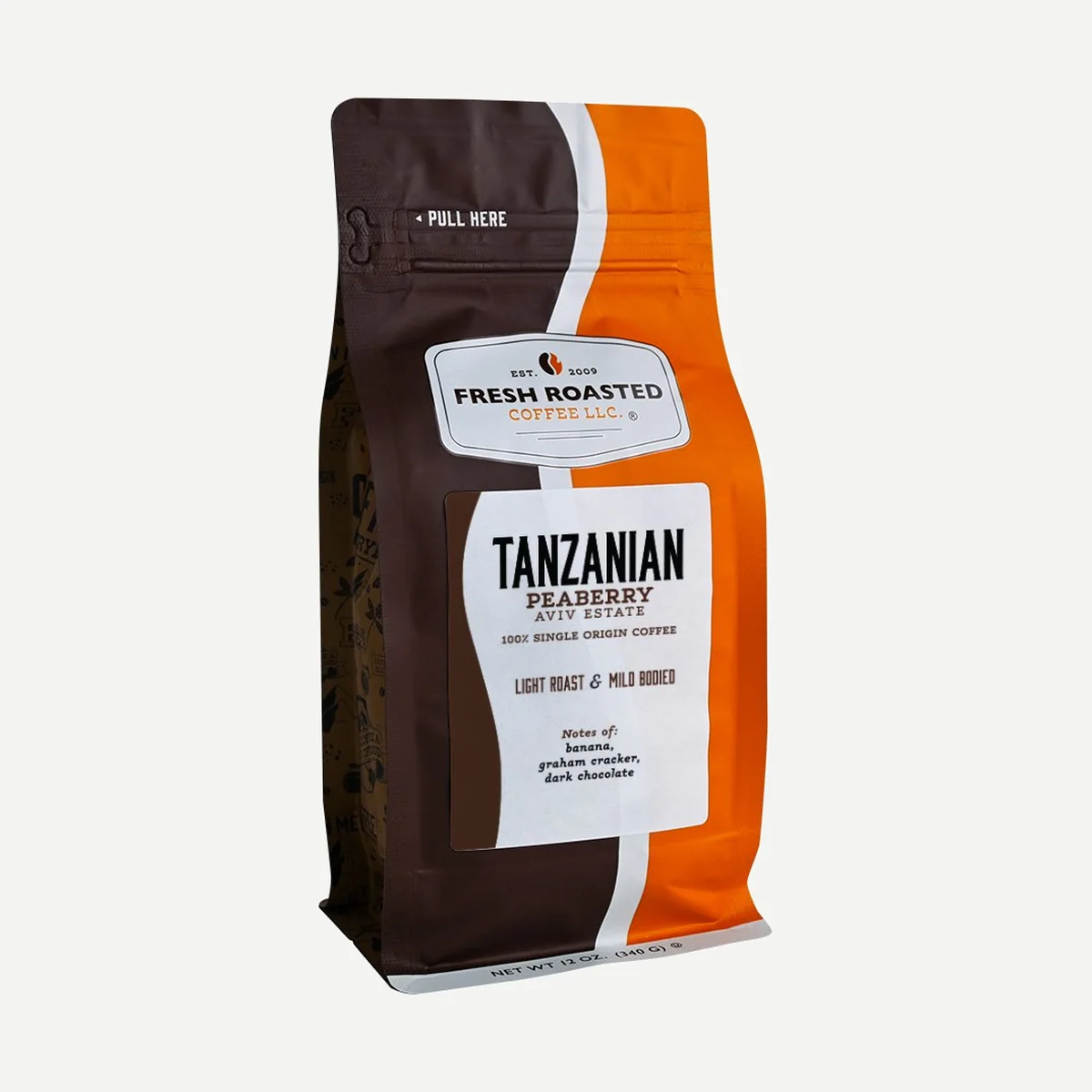 Fresh Roasted Coffee Tanzanian Peaberry Aviv EstateA light, sweet peaberry from a named estate, for pour over at an everyday price
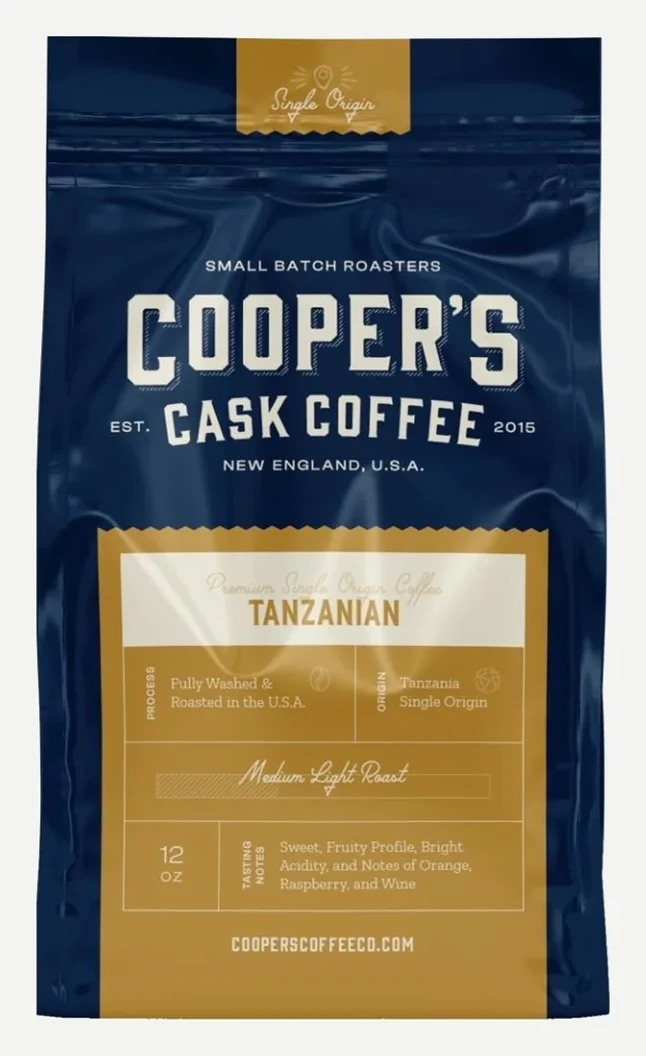 Cooper's Cask Tanzania Peaberry Medium Light Roastorange, raspberry, wine
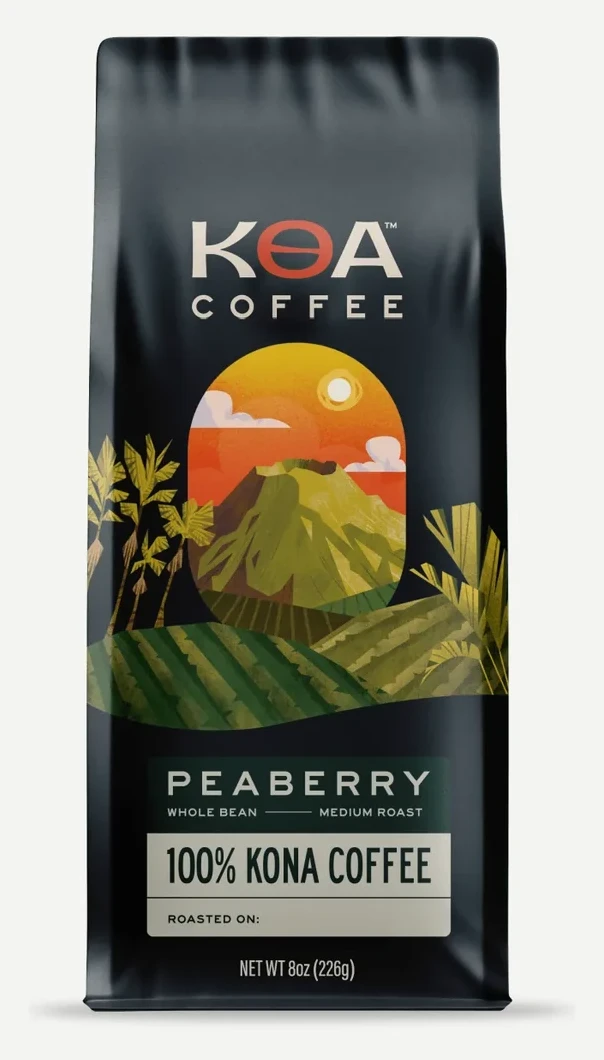 Koa Coffee Peaberry Medium Roastsomebody buying 100 percent Hawaiian coffee and willing to pay what it costs