
Arabic Coffee: Qahwa, Cardamom and the Rules of the Cup
Pale, barely roasted, heavily spiced and served in a way that carries instructions. Almost nothing about it matches what the word coffee suggests.
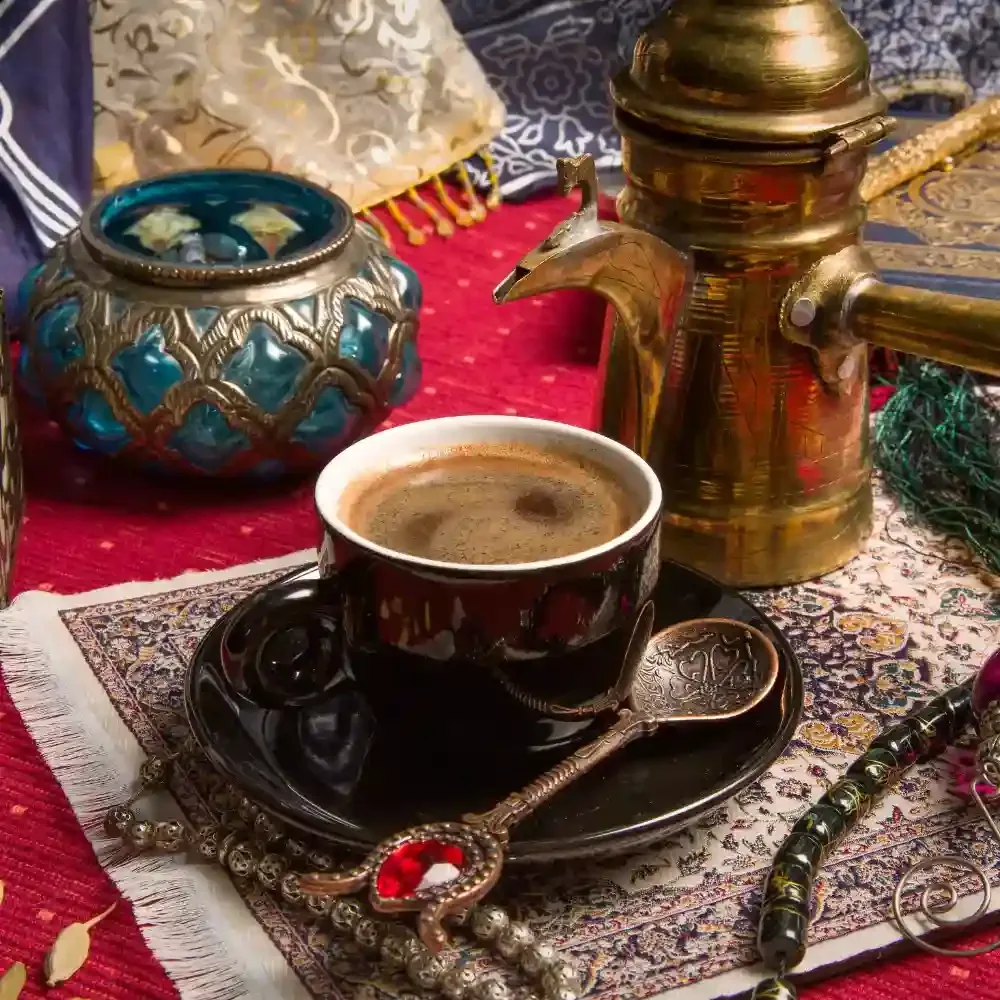
Arabic coffee, qahwa, is pale gold rather than brown, tastes as much of cardamom as of coffee, and is served in a sequence with its own etiquette. It is one of the oldest surviving coffee traditions and it is on UNESCO's list of intangible cultural heritage for the Arab states.
What is in Arabic coffee?
A very light roast. Sometimes barely roasted at all, leaving the beans golden. This is the single biggest departure from every other tradition and the reason the drink looks like weak tea.
Cardamom, generously. Green pods crushed and added during brewing, often at a ratio that would seem extreme anywhere else. Saffron, cloves and cinnamon appear regionally.
No sugar. The coffee is unsweetened and dates are served alongside, which is where the sweetness comes from. This pairing is not incidental; the drink is quite bitter and astringent without it.
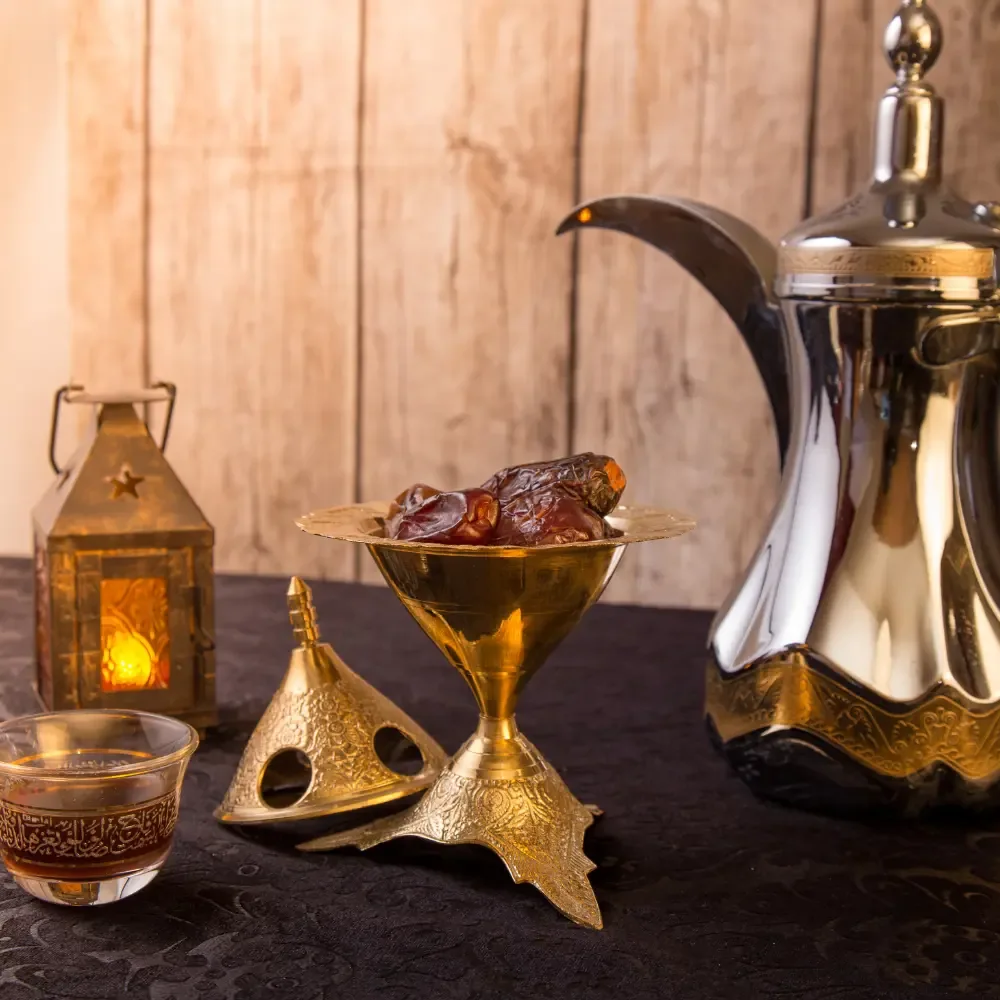
The dallah: the Arabic coffee pot
The pot is a dallah: long curved spout, hinged lid, tall handle. Coffee is brewed, allowed to settle, and poured off clear, which is what separates this from the Turkish method, where the grounds go into the cup.
Cups are small, handleless, and called finjan. They are filled less than half way, which looks stingy to a visitor and is deliberate: it keeps the coffee hot and means the server refills often, which is the social mechanism the whole ritual runs on.
Arabic coffee etiquette and how to take the cup
- Take the cup with your right hand.
- The most senior guest is served first, and the server works around the room in order.
- Returning the cup unshaken means more please. The server will keep refilling.
- Shake the cup gently to signal you are finished. This is the one rule worth knowing before you visit, because without it you will be served coffee indefinitely and will not know why.
- Two or three cups is normal. One can read as a slight; many more is unusual.
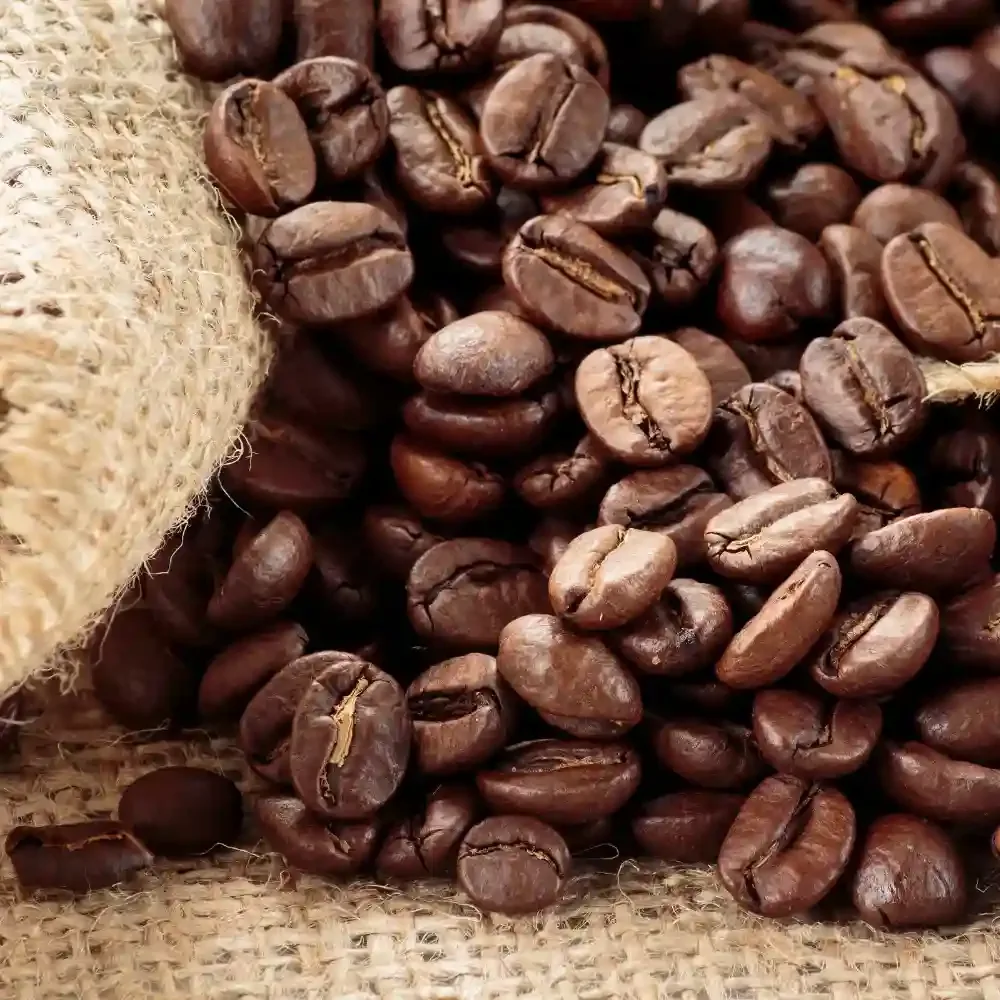
Arabic coffee vs Turkish and Yemeni coffee
The region has several coffee cultures that get conflated and are genuinely distinct.
- Arabic qahwa. Light roast, spiced, poured clear, no sugar.
- Turkish coffee. Dark roast, powder grind, grounds in the cup, sweetened during brewing. See how to make it.
- Yemeni qishr. Made from the dried cherry husks rather than the beans, with ginger, which puts it closer to cascara than to coffee.
How to make Arabic coffee at home
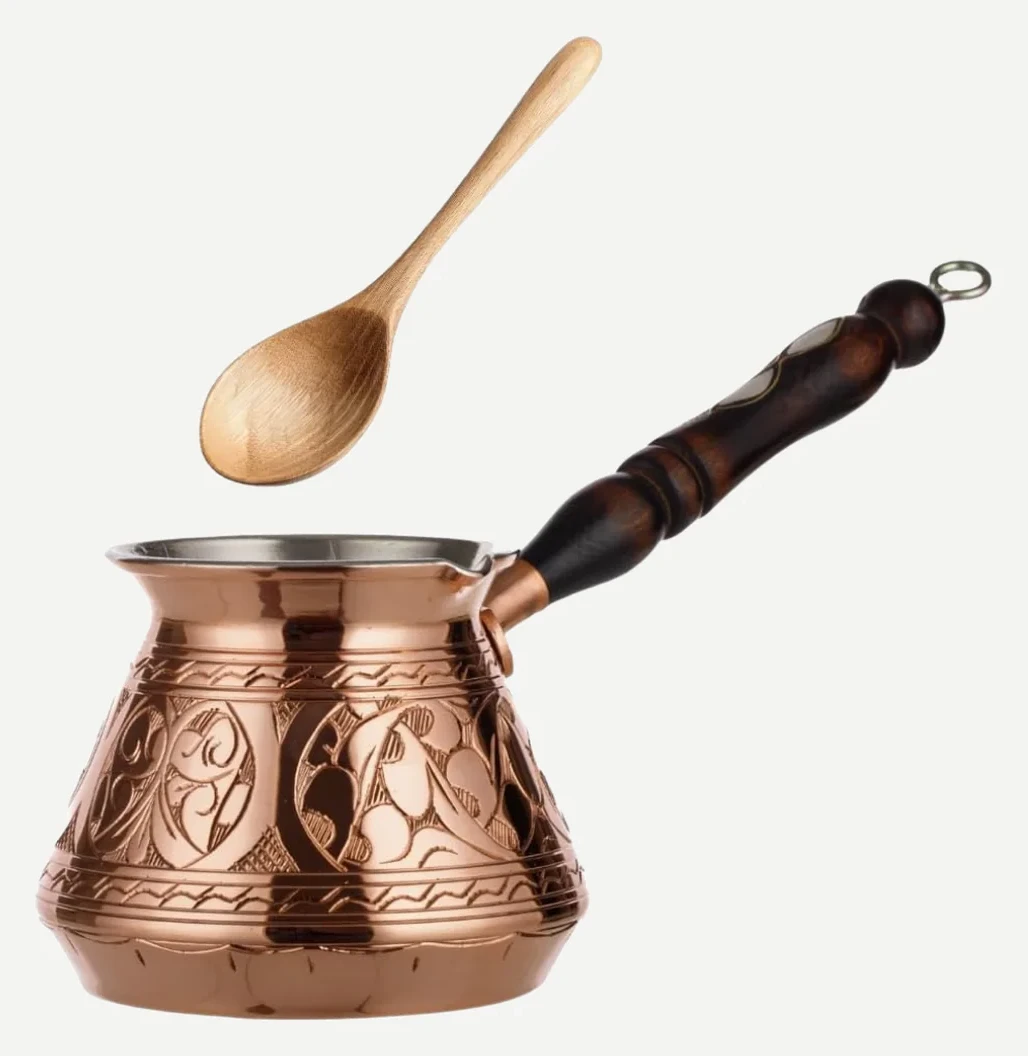
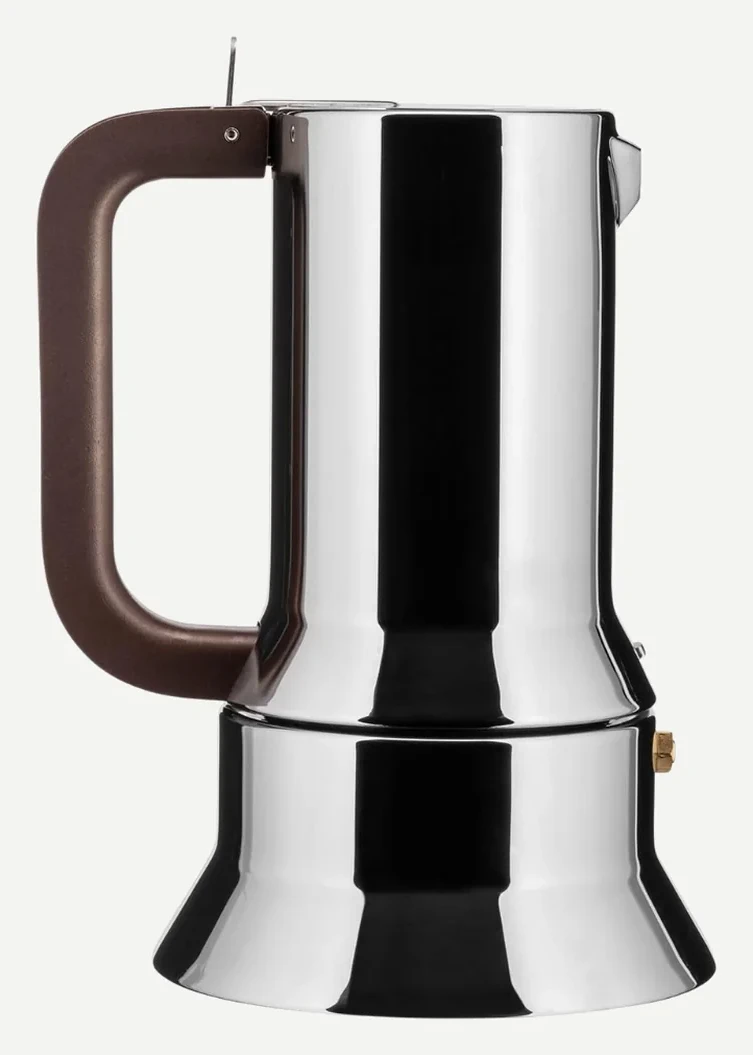
Light-roast beans, coarsely ground, simmered gently with crushed cardamom for ten to fifteen minutes, then left to settle and poured off carefully. A cezve works if you do not have a dallah, provided you pour off the clear liquid rather than tipping the grounds in.
The hardest part to source is the roast. Most shops do not sell coffee roasted this lightly, and using a normal medium roast produces something perfectly pleasant that is not qahwa.
Qahwa across the Gulf
The shared form varies by country more than visitors expect, and locals notice immediately.
- Saudi. The palest and the most cardamom-forward, often with saffron and sometimes cloves. The reference version for most people.
- Emirati and Qatari. Broadly similar, frequently with rose water, and often a touch darker in the roast.
- Kuwaiti. Saffron is more prominent, giving a distinctly golden cup.
- Levantine. Generally a darker roast and less spice, sitting closer to the Turkish end of the family.
None of these is the correct one. If you are served qahwa in someone's home it will be their family's version, and asking what is in it is a compliment rather than an interrogation.
Why dates are served with qahwa
Unsweetened qahwa with a light roast and a heavy hand of cardamom is a bitter, astringent drink by design. The dates are the other half of the recipe rather than a snack that happens to be nearby.
Eat one first, then drink. The date coats the palate with sugar so the coffee arrives as aromatic and warming rather than as sharp, and the alternation continues through the cups. Serving qahwa without dates or another sweet is not a variation, it is an incomplete version, and it is why a first taste on its own so often disappoints people who were expecting something closer to coffee.
Arabic coffee FAQ
What is Arabic coffee?
Qahwa: lightly roasted coffee, usually spiced with cardamom and sometimes saffron or cloves, brewed and served from a long-spouted pot called a dallah into small handleless cups.
Why is Arabic coffee so pale?
It is roasted very lightly, sometimes barely beyond drying, which leaves it golden rather than brown. The flavour comes as much from the spices as from the roast.
How do I signal I have had enough?
Shake the cup gently from side to side as you hand it back. Simply returning it means you would like more, and the server will keep pouring.
Is Arabic coffee the same as Turkish coffee?
No. Turkish coffee is dark-roasted, powder-fine and served with the grounds in the cup. Arabic coffee is pale, spiced and poured off clear from a dallah. They are different drinks from neighbouring traditions.