



Coffee Culture · Coffee around the world
Middle East and the Mediterranean
Coffee drinking took hold in the Middle East first, and the region still brews it the old way: finely ground, heated in a small pot and served unfiltered. These guides cover Arabic qahwa with cardamom, Armenian soorj, Turkish sand coffee and how Greek coffee differs from Turkish.
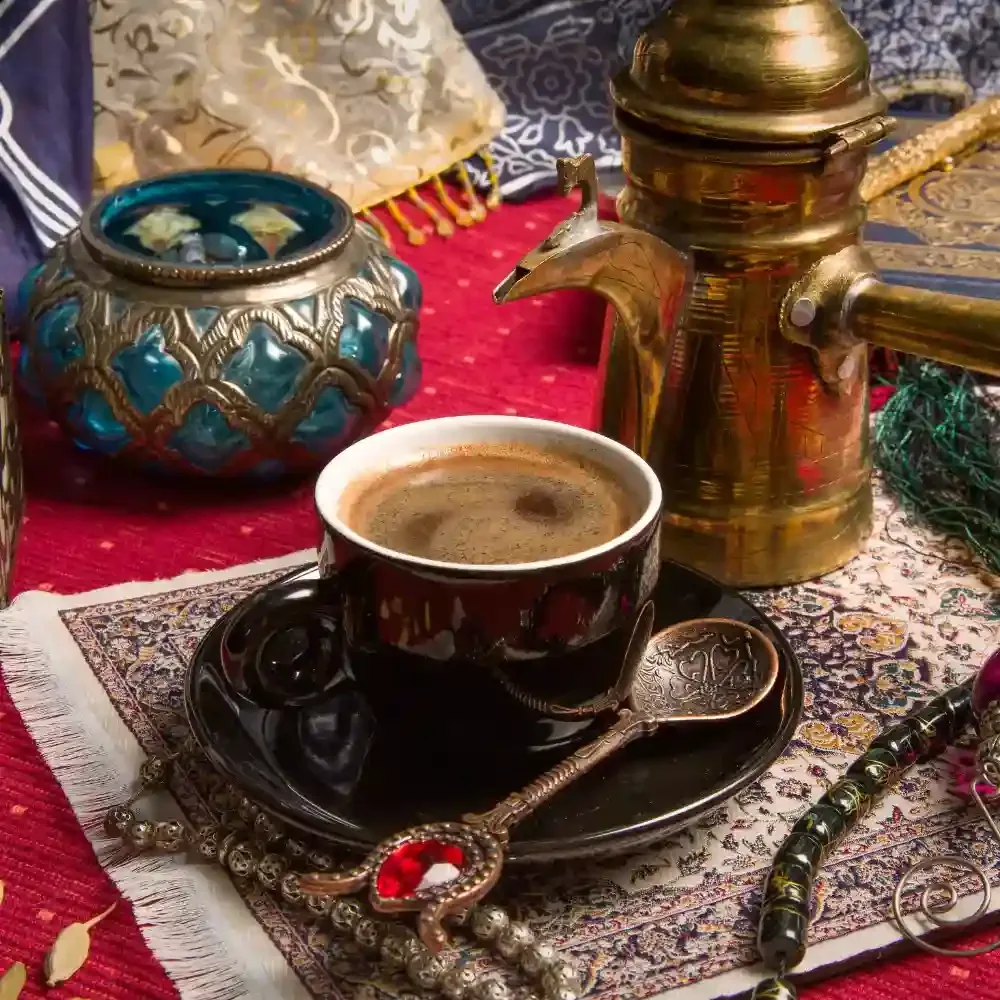 Arabic Coffee: Qahwa, Cardamom and the Rules of the CupPale, barely roasted, heavily spiced and served in a way that carries instructions. Almost nothing about it matches what the word coffee suggests.
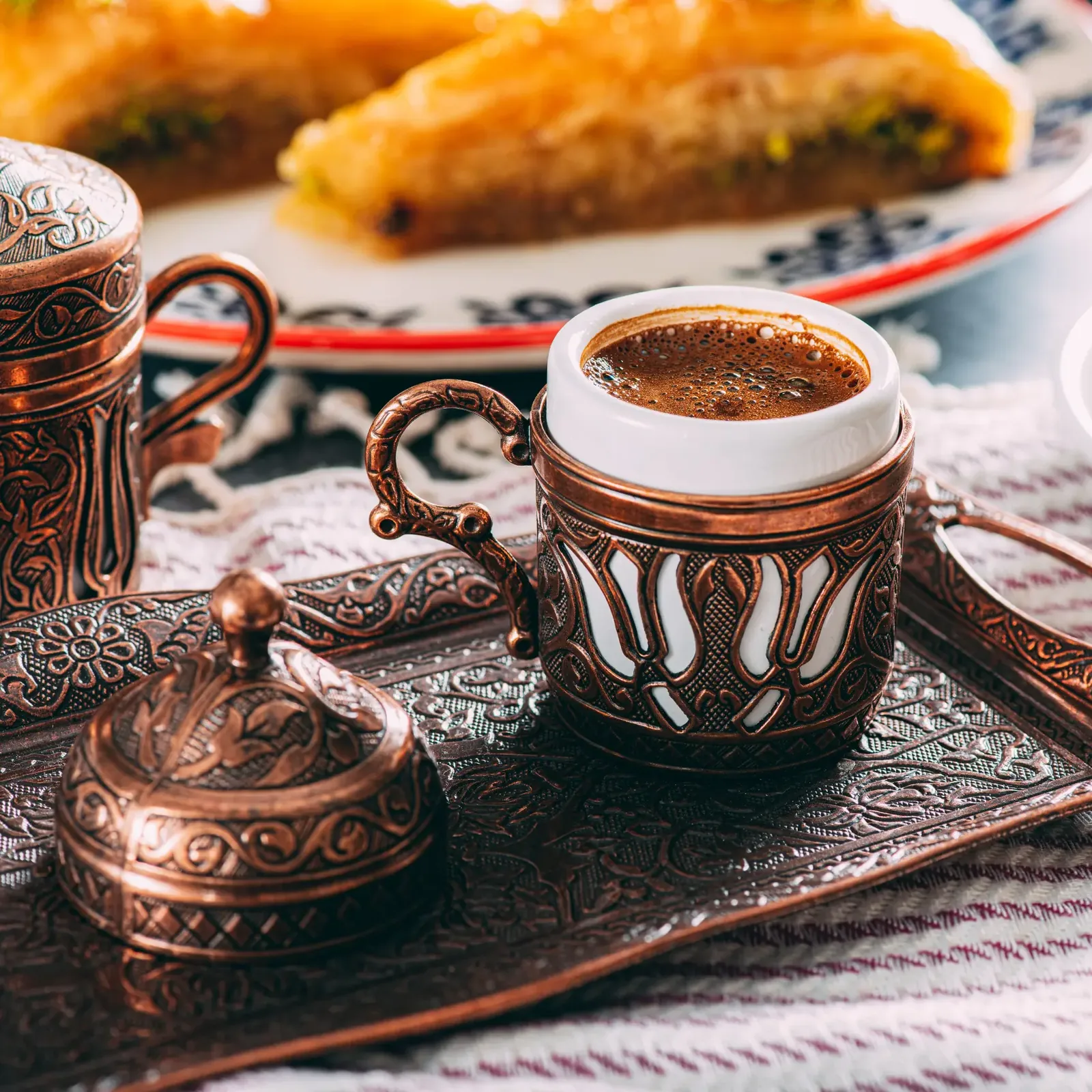 Armenian Coffee: Soorj, and the Cup Read AfterwardsThe same regional method under another name, with one tradition attached to it more tenaciously than anywhere else: what the grounds say when the cup is turned over.
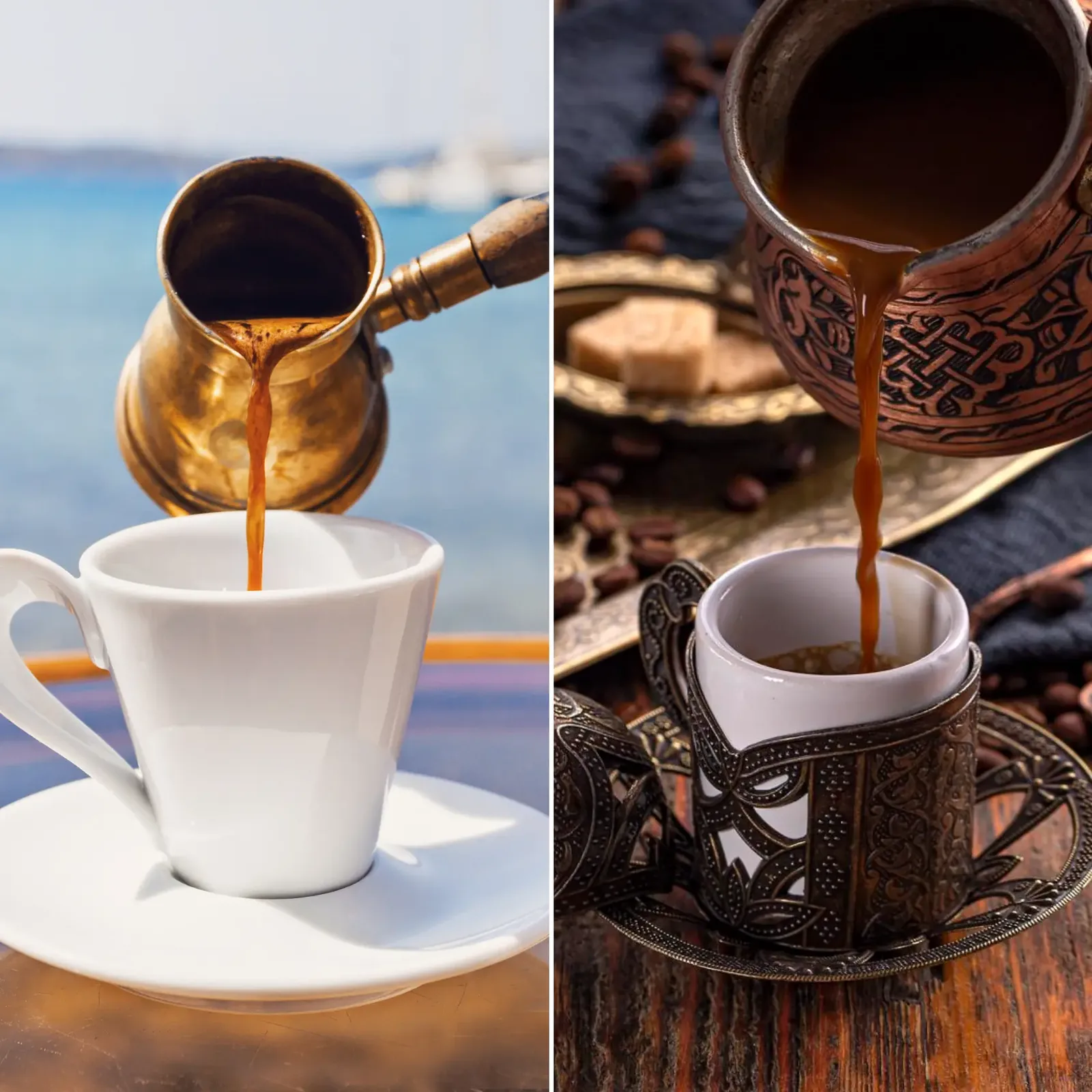 Greek Coffee vs Turkish CoffeeThe same method, the same pot, and a naming dispute with real history behind it. The differences in the cup are small and not zero.
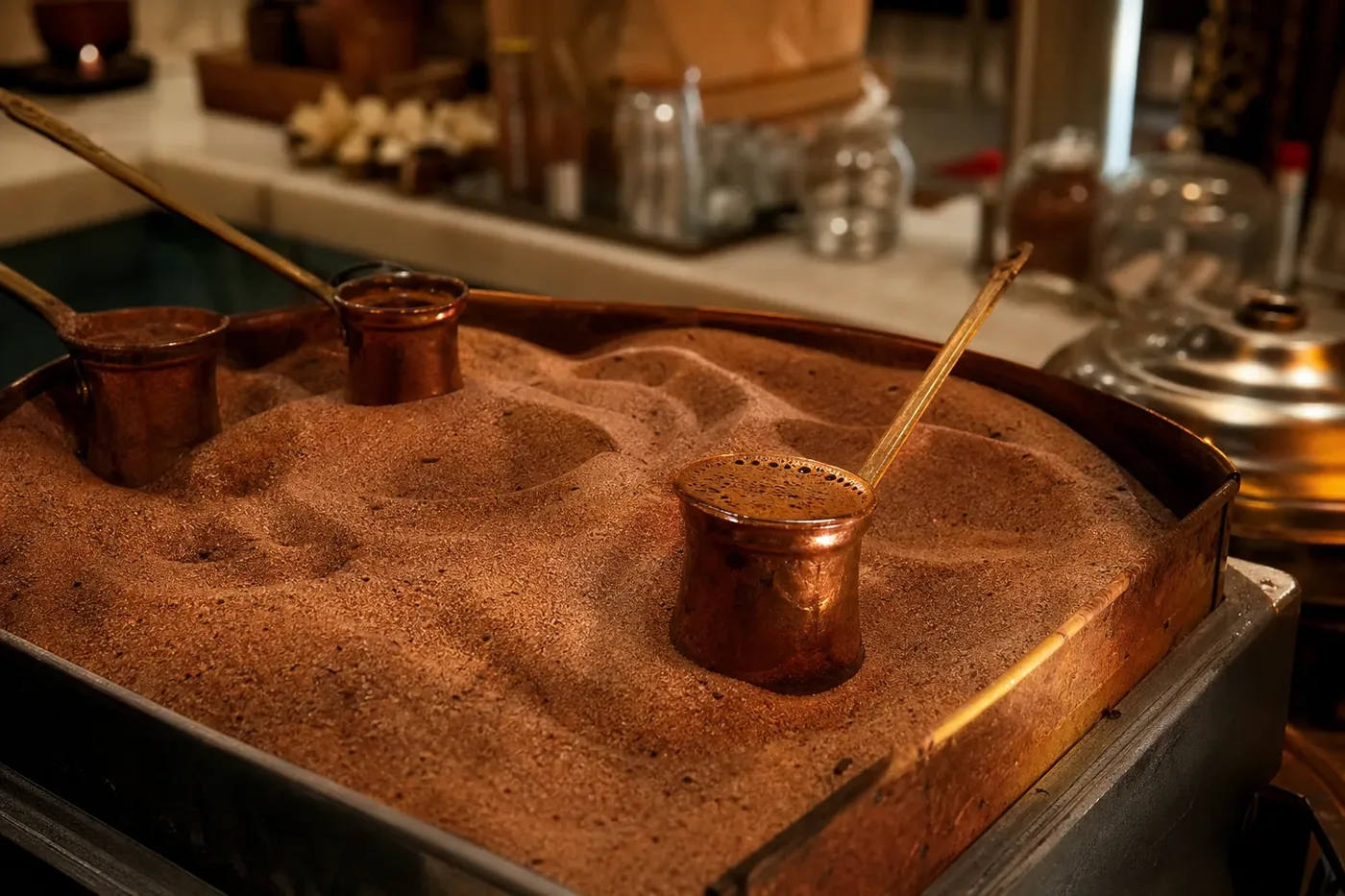 Turkish Sand Coffee: Why the Sand Is Not a GimmickBrewing a cezve buried in hot sand is theatre in a tourist cafe and genuine technique everywhere else. The sand does something no burner can.
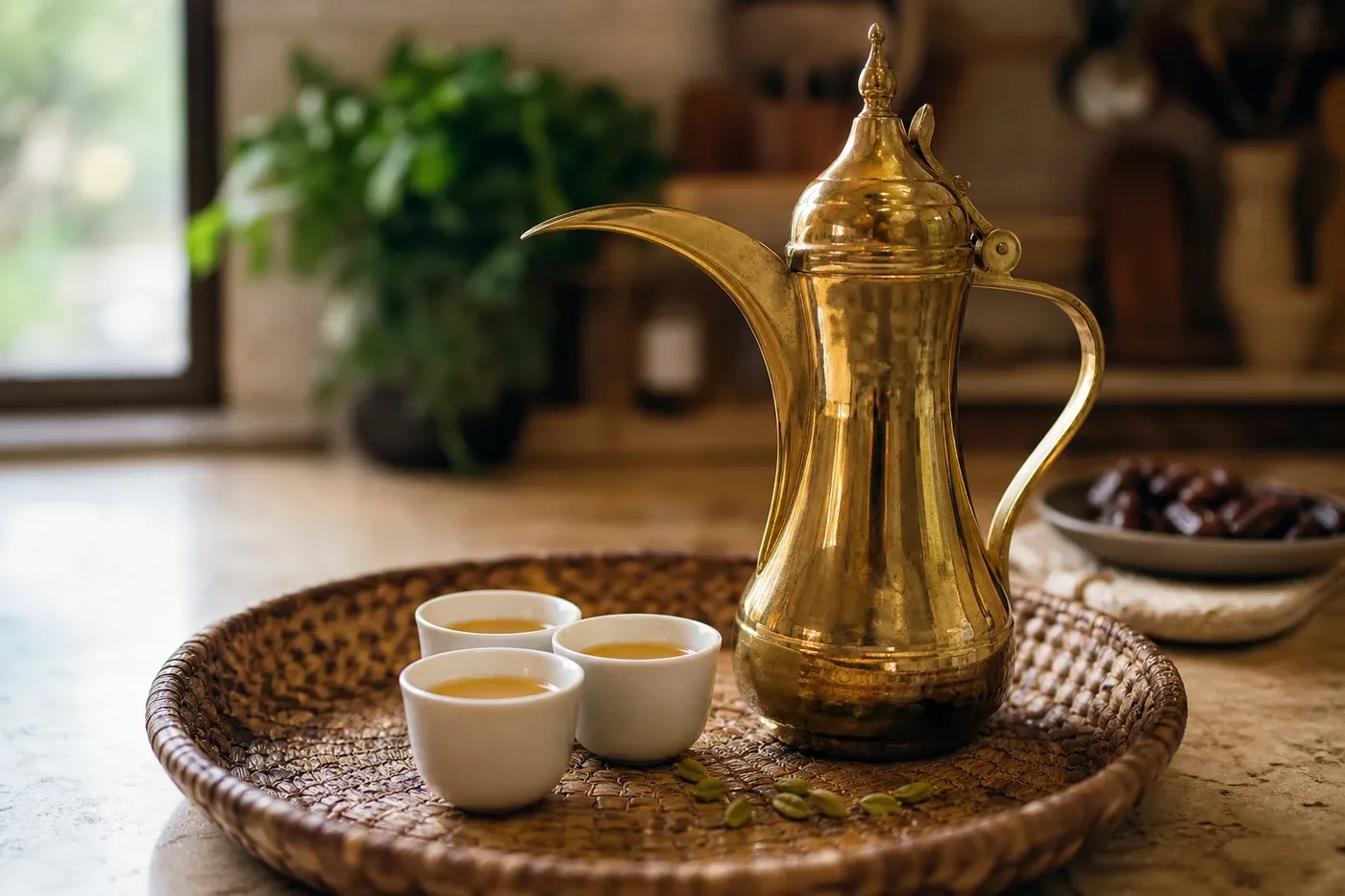 Arabic Coffee vs Turkish Coffee: Two Different DrinksBoth are old, both come from the same part of the world, and they taste almost nothing alike. Roast, grind, spice, pot and serving, side by side.
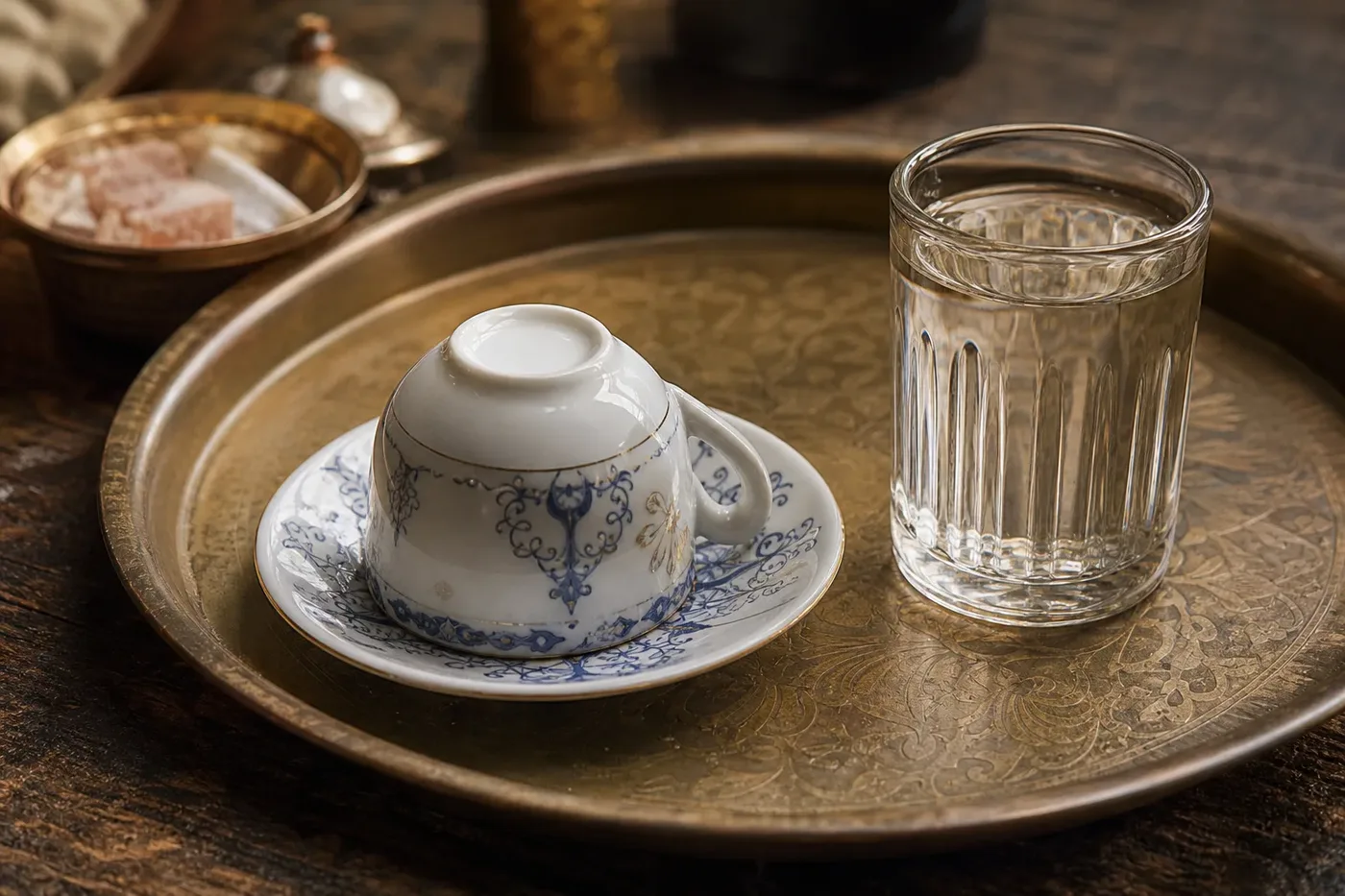 Turkish Coffee Fortune Reading: How Reading the Cup WorksWhen the coffee is finished, the cup is turned upside down and the grounds are read. How the ritual goes, what the common shapes are said to mean, and how much of its history is known.