Brewing Coffee With Coke: What Happens, and the Version That Works
The viral pour over runs cola through the grounds instead of water, and vanilla Coke is the one people say comes out best. Here is what the can does to extraction.
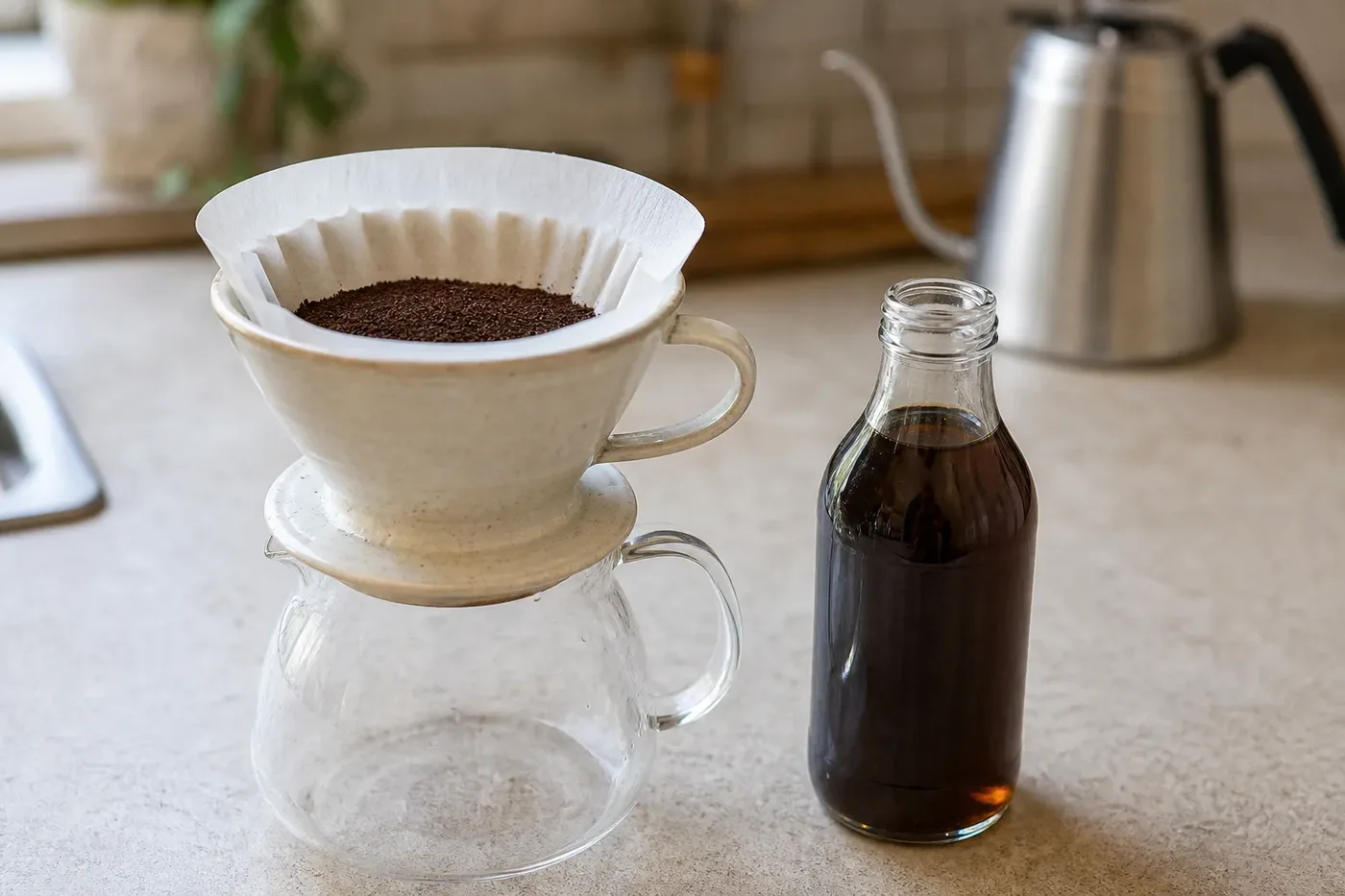
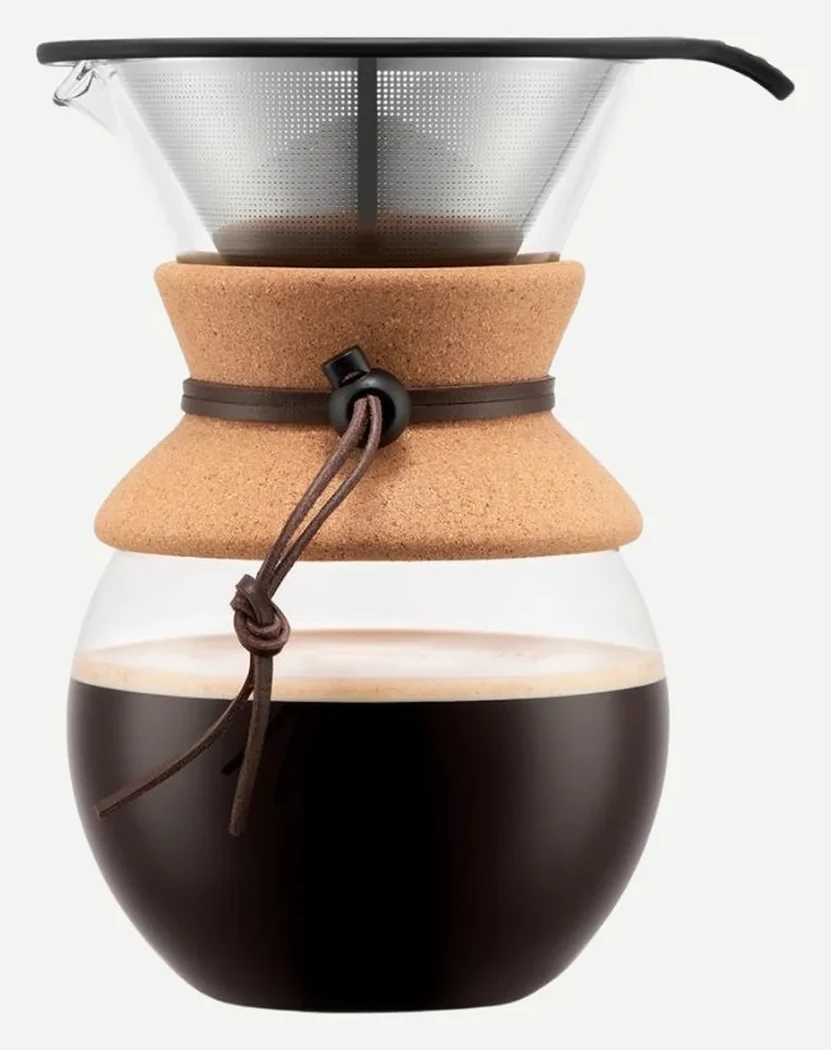
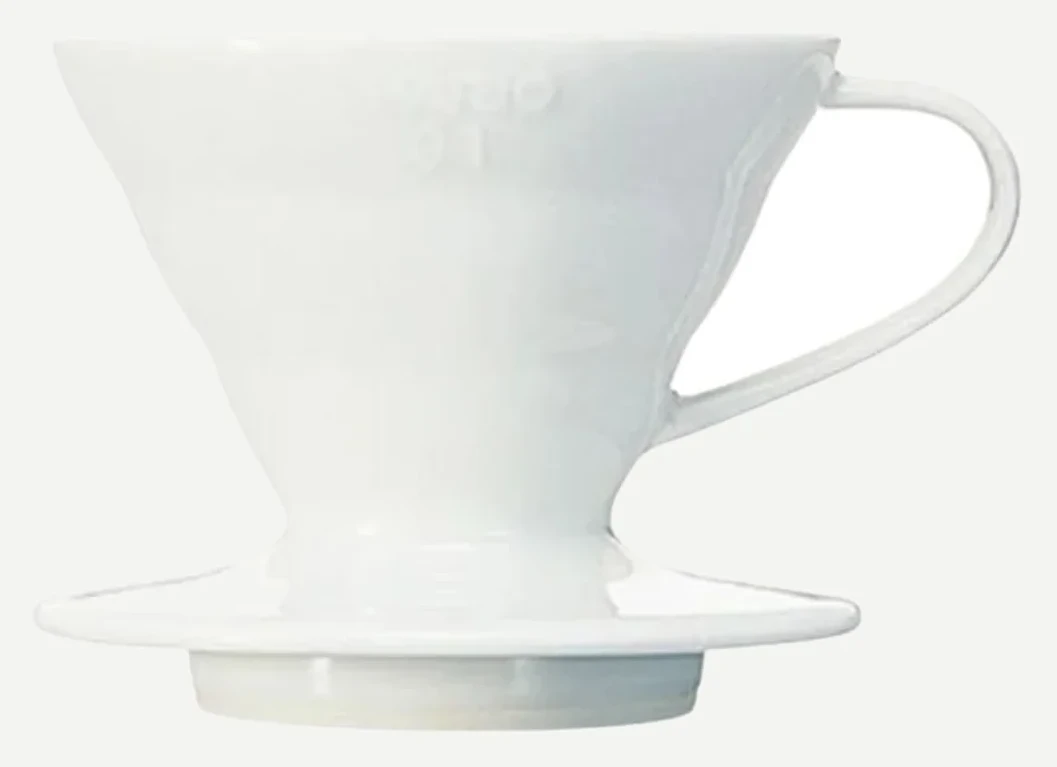
The clip is always the same. A cone, a paper filter, a bed of ground coffee, and a bottle of Coca-Cola where the kettle should be. Vanilla Coke is the version people say comes out best. What reaches the jug is mostly the cola that went in, and the reason is printed on the can.
What the trend is
The method in the videos is a normal pour over with one substitution: cola instead of water, poured over the grounds in a cone and drunk from whatever comes through. Some clips heat the cola first, some pour it cold from the fridge. The verdicts split roughly down the middle between people calling it a decent novelty and people calling it a waste of a good bottle, and the one point almost all of them agree on is that the vanilla bottling gives the better cup.
Coffee and cola together is not new, and that matters for judging this. Korean cafes have sold the pairing since at least 2014, Coca-Cola sold a coffee version of itself in Japan from 2017 and in the United States from 2021, and iced coffee topped with cola is a standard home drink in several countries. Every one of those makes the coffee with water and adds the cola afterwards. Running the cola through the bed is the new part, and it is the part that does not work.
What brewing water is meant to be
A cup of filter coffee is about 98 percent water by weight, so the water is not a background ingredient, it is the solvent doing the work. The Specialty Coffee Association of America published a standard for it, Water for Brewing Specialty Coffee, version 21NOV2009A, and the two lines that matter here are these: dissolved solids should target 150 mg per litre, in a range of 75 to 250, and pH should target 7.0, in a range of 6.5 to 7.5. Alkalinity sits at or near 40 mg per litre, which is what stops coffee's own acids from swinging the cup around.
Now the can. Coca-Cola's US panel gives a 12 fl oz can 39 g of sugar, which works out at about 110 g of sugar in every litre, or 110,000 mg per litre of dissolved solids. The British panel says 10.6 g per 100 ml, so it lands in the same place with cane sugar rather than corn syrup. Against a target of 150 mg per litre, that is on the order of seven hundred times the dissolved load the standard asks for, and it is sugar rather than the calcium and bicarbonate that standard is describing.
The acid is the larger gap. Reddy and colleagues measured 379 American drinks for the Journal of the American Dental Association in 2016 and put Coca-Cola Classic at pH 2.37, with 93 percent of everything they tested below pH 4.0. Brewed coffee itself usually sits near pH 5. A brewing liquid at 2.37 instead of 7.0 carries something like forty thousand times the hydrogen ion concentration the standard specifies, with no alkalinity at all to buffer it.
What that does in the cone
Heat it and the carbonation leaves first. Carbon dioxide is far less soluble in hot liquid than cold, so a heated cola foams hard the moment it hits a bed of grounds, and the bed lifts and channels instead of sitting still and wetting evenly. One writer who tried the same experiment with sparkling water described the grounds bobbing on the foam rather than brewing, which is the same mechanism with less sugar in it.
What is left behind after the gas goes is syrup. A liquid carrying 110 g of sugar per litre is thicker than water and a worse solvent for the compounds you brew coffee to get, and it moves through a paper filter slowly, so the drawdown drags and the paper blinds. Longer contact with a poorer solvent is not a trade that works in your favour.
Worth killing one myth while we are here: the sugar does not caramelise. Caramelisation needs temperatures well above 150C and brewing temperature tops out around 96C, so nothing toasts or deepens. The cola simply goes flat and sticky.
Pour it cold instead and the opposite problem appears: almost nothing is extracted at all. Cold water pulls coffee so slowly that cold brew and iced coffee are largely separated by that one fact, cold brew needing twelve to twenty-four hours to get where hot water gets in three minutes. Cola out of the fridge held against grounds for the length of a pour over collects colour, a little sweetness and not much else.
Why the verdicts split
Two descriptions come back from people who have actually done it, and they sound like disagreement until you line them up. One is that it tastes like a cola cold brew. The other is that it tastes like flat soda with a hint of coffee. That is the same cup, described by somebody enjoying it and somebody not.
The words cold brew are not an accident though. What little a cold, sugary, strongly acidic liquid pulls out of a coffee bed comes from the gentlest end of what coffee has to give. Bitterness and the tougher acids need heat and time; the soft, sweet, low-acid compounds come out first and come out easiest. Cold brew tastes the way it does for the same reason approached from the other side, using cold water and giving it twelve hours instead of three minutes. So a cola pour over lands on a similar character at a fraction of the strength, which is a real thing to like. It is just not the coffee doing most of it.
Why vanilla reads as the best one
This is the tell that the trend itself gives away. If the cup were genuinely being brewed, the coffee would be the loud part and the choice of bottling would be a detail. Instead the bottling is the thing being tasted, so the one with the most aromatic top note wins, and vanilla is the aromatic that has always sat well next to roasted coffee. Coca-Cola's own panel separates Vanilla from Original by 3 g of sugar and 10 calories per can, with identical caffeine, which is not the kind of difference that improves an extraction.
There is a related belief worth separating out, that the cola flavours somehow infuse into the coffee. The closest anyone has come to testing it is the coffee consultant Christopher Feran, who soaked green coffee in eight different sodas for ten hours and found the results nearly indistinguishable from each other and nothing like the sodas. That is green coffee absorbing during processing rather than roasted coffee giving up during a brew, so it is not the same experiment, but it is the only careful one anybody has run, and it points the same way.
If vanilla beside coffee is the actual goal, there are two cheaper routes that do work: vanilla extract in the cup, or a French vanilla coffee, which is flavoured before it ever reaches your grinder.
The same test with other sodas
People run it with Sprite, with Mountain Dew, with whatever the fridge holds, and the verdict that comes back is the one above: flat soda carrying a hint of coffee. The arithmetic says it should be. Sprite carries 38 g of sugar in a 12 fl oz can against Coca-Cola's 39, so the dissolved load that spoils the extraction is effectively identical, and the two things that do change are not in the coffee's favour.
The first is the acid. Cola is acidified with phosphoric acid and the clear sodas with citric, which reads sharper and sits on top of coffee's own acidity rather than beneath it. The second is caffeine, and it runs the wrong way. Sprite has none at all, so brewing with it gives you a cup whose only caffeine is whatever the impaired extraction manages to pull from the grounds: the sugar of a soft drink, and less caffeine than a plain mug of coffee.
What ends up in the cup
The caffeine arrives from both directions and neither is large. A 12 fl oz can carries 34 mg, and a normal filter mug runs 95 to 165 mg, though a bed brewed with syrup instead of water will give up less than that and there is no way to know how much less without measuring it. The sugar, by contrast, arrives in full: 39 g from a standard can, 42 g from vanilla, none of which the coffee removes.
One practical note on acid. Tooth enamel begins dissolving below about pH 5.5, and a drink at 2.37 is well under it, which is a reason not to make sipping hot cola a daily habit rather than a reason to avoid trying it once.
The version people keep making
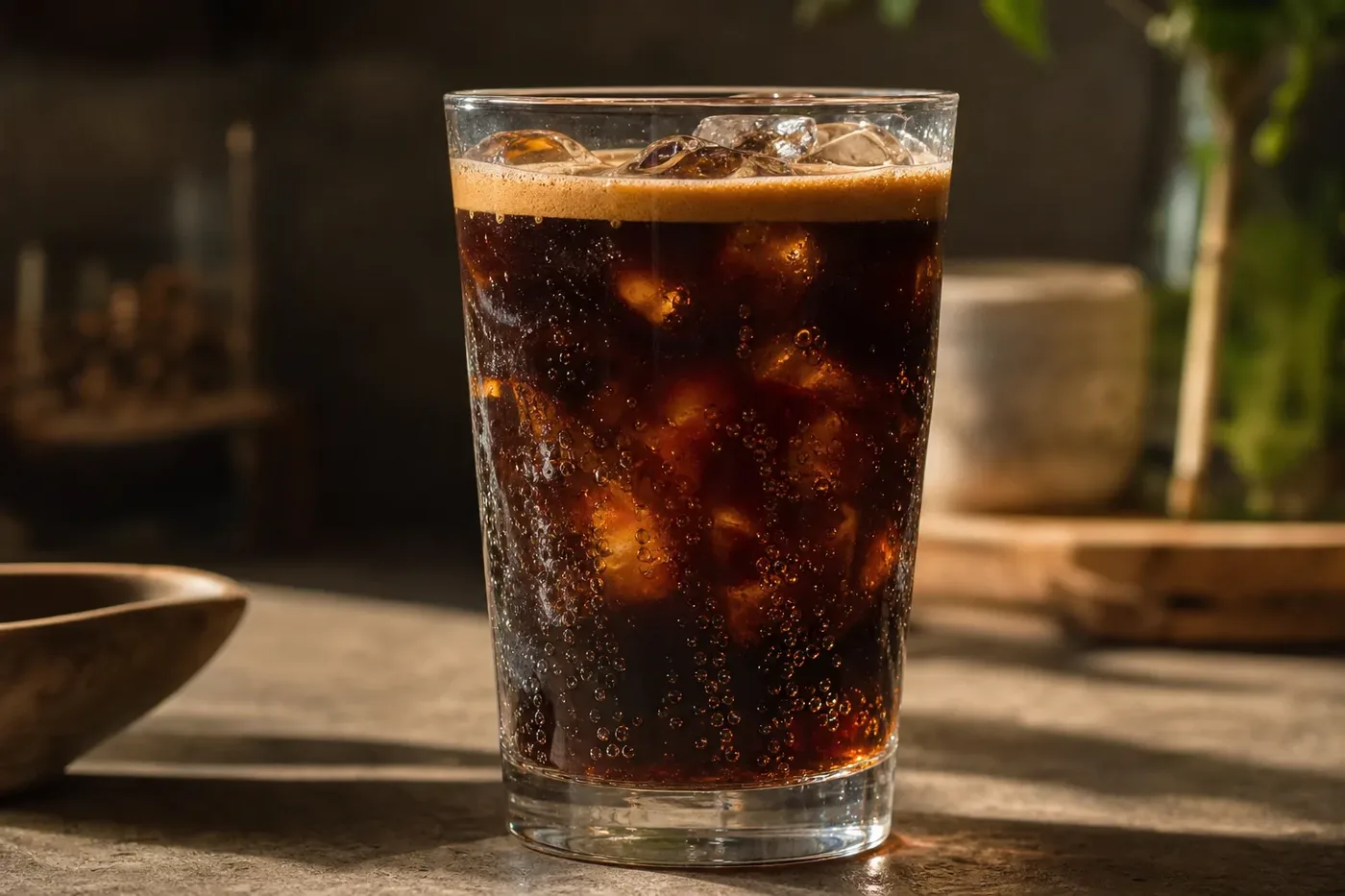
The drink that lasted does it the other way round: the coffee is brewed properly with water and the cola goes in the glass. The best-known version is the Fat Americano, a double espresso poured over a can of cold Coca-Cola and ice, which a Korean cafe has served since 2014.
Coca-Cola reached the same conclusion commercially. Coffee Plus appeared in Japanese vending machines in 2017 and Coca-Cola with Coffee came to the US in 2021 in Dark Blend, Vanilla and Caramel, all of them coffee added to finished cola rather than cola pushed through coffee. The range has since been discontinued, which says something about the ceiling on the idea, but not about the method.
If you want to try it anyway
Do it in something you can wash immediately and do not mind scrubbing. Sugar bakes onto a kettle element and a rinse will not shift it, so heat cola in a small pan rather than in a kettle you brew with, and let it go flat before it goes anywhere near the grounds. Nothing carbonated or sugared should ever go through a pump espresso machine, a drip machine's boiler or a capsule machine; those have tubing and seals you cannot reach to clean.
The better use of the same two ingredients takes five minutes. Brew the coffee properly with water, by the ordinary pour over method or as espresso, chill it, then build the drink the way Alex The Coffee does: ice, cold cola, coffee last. You keep the extraction and you keep the fizz, which is the whole point of pouring cola on anything.
Common questions
Can you brew coffee with Coke?
You can pour it through grounds, but very little coffee is extracted. Cola carries roughly 110 g of sugar per litre against the SCAA water standard's 150 mg per litre target, and sits at pH 2.37 against a target of 7.0, so it is a poor solvent and the cup tastes mostly of cola.
Does vanilla Coke make better coffee?
It tastes better to most people trying the trend, but that is the cola being tasted rather than better coffee. Coca-Cola's panels separate Vanilla from Original by 3 g of sugar and 10 calories a can, with the same 34 mg of caffeine.
Should you heat the Coke or use it cold?
Neither works well. Heated cola foams as the carbon dioxide comes out of solution and lifts the coffee bed so the liquid channels through it; cold cola extracts almost nothing in the three minutes a pour over takes, which is why cold brew is measured in hours.
How much caffeine is in coffee brewed with Coke?
At least the 34 mg in a 12 fl oz can, plus whatever the grounds give up, which is less than the 95 to 165 mg a filter mug normally carries because the extraction is impaired. The sugar arrives in full at 39 g a can, or 42 g for vanilla.
What is the Korean coffee and Coke drink?
The Fat Americano, served at Alex The Coffee in Korea since 2014: a tall glass of ice, a cold 12 oz can of Coca-Cola Classic, and a double espresso poured over the top. The coffee is brewed with water and meets the cola in the glass, not in the filter.