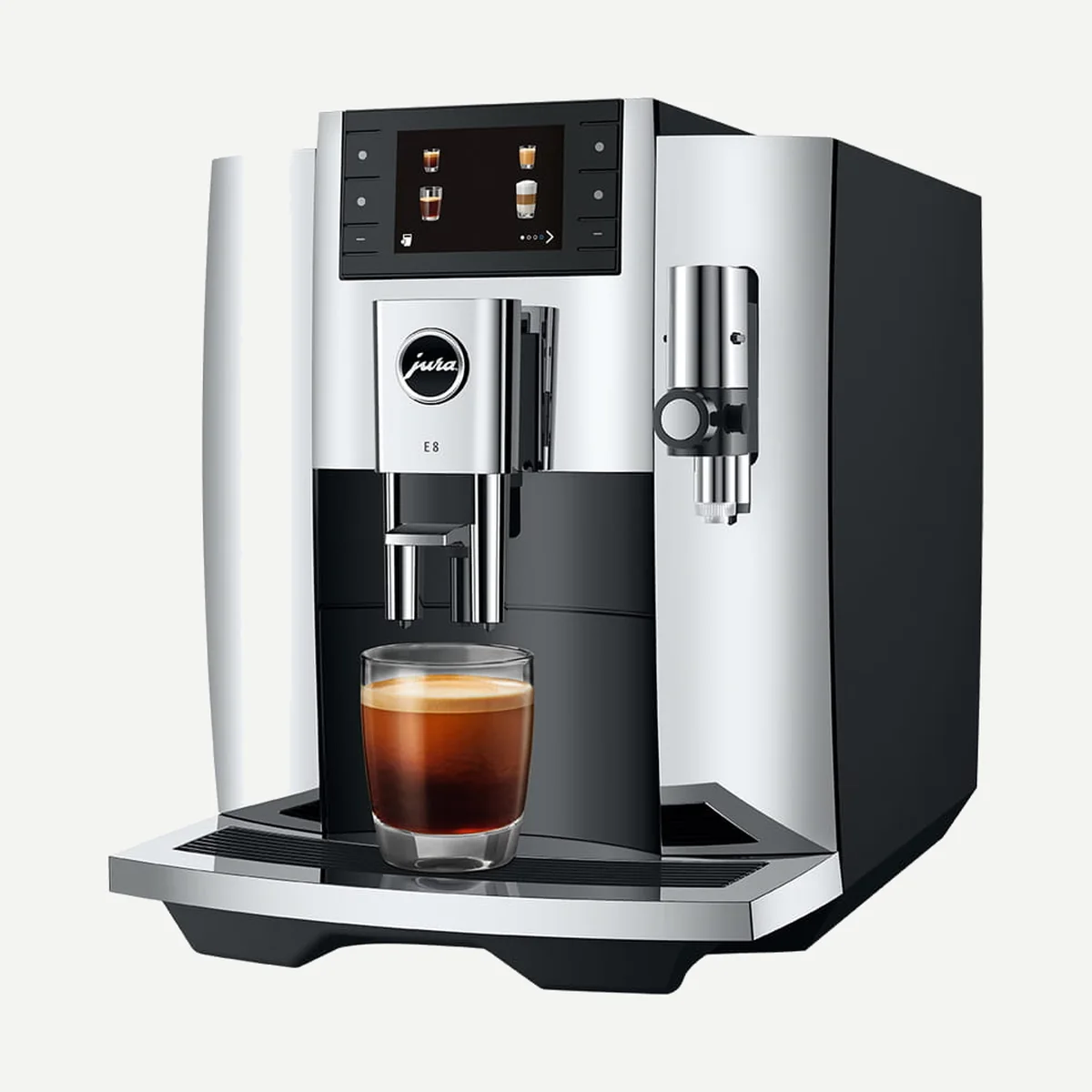
What is the De'Longhi Magnifica Start?
The cheapest way into bean-to-cup from the brand that sells most of them, and it keeps the milk in your hands.
De'Longhi publishes a 15 bar pump, a conical burr grinder with 13 settings, an 8.82 ounce bean hopper, a 60.87 ounce tank, three one-touch recipes covering espresso, coffee and americano with adjustable intensity, and what it calls a traditional milk frother for milk and milk alternatives. The machine draws 1250 watts, weighs 19.82 lb and costs $699.99.
One caution on the name. De'Longhi sells four machines called Magnifica Start, and two of them have the automatic LatteCrema milk system and five recipes instead of three. This page is the ECAM22022B, the manual-frother model, and every figure here is from that machine's own page.
The warranty, and the asterisk on it
On an appliance with a pump, a heater, a grinder and a gearbox, cover is worth more than features.
A bean-to-cup machine has more moving parts than any other coffee maker in a home: a burr grinder, a motorised brew group that physically travels, a pump and a heater, all of them running several times a day. Things go wrong, and what decides the cost of that is the warranty.
De'Longhi advertises this one as an industry-leading three year warranty, and the footnote on its own pages says what that means: two years, plus one more if you register the product. The third year is real and it is free, but it is conditional on you doing something in the first weeks of ownership, and nobody who skips it gets it. Read the banner as two years with an offer attached.
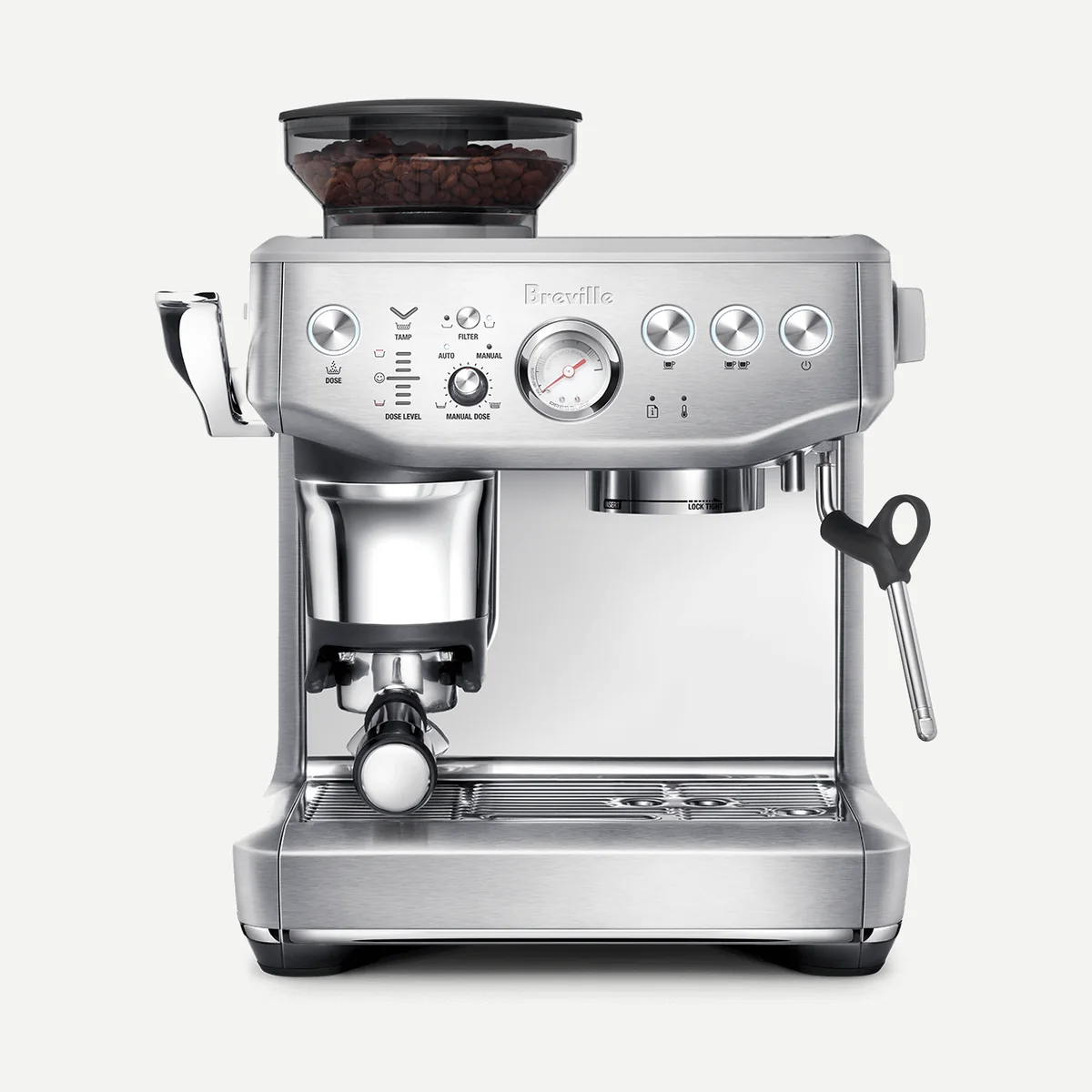
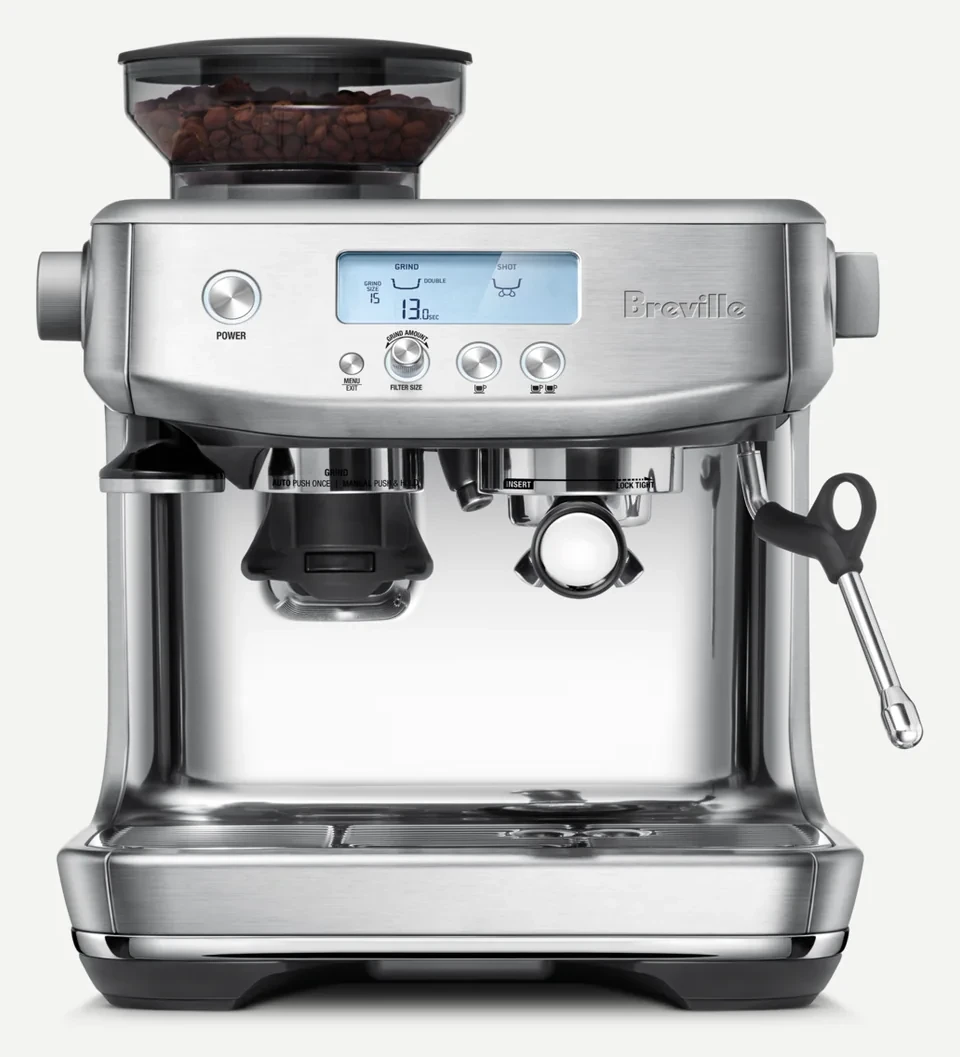
Even read that way it compares well. Breville gives two years on its dearest machine and one on the cheaper ones, JURA gives two years or 6,000 brews, whichever comes first, and Gaggia publishes no term at all on its own site. Register this one on the day it arrives and it is the longest cover at the price.
Thirteen grind settings, which is the number that matters here
It is the one thing on a bean-to-cup you can actually adjust.
The dose is set by the machine within a narrow range and the tamp pressure is fixed, so grind is your only lever over extraction. Thirteen steps is a reasonable range at this price and enough to move between a light roast and a dark one and feel the difference.
The usual caution applies, and it is not optional: on almost every bean-to-cup the grinder must be adjusted while it is running, or the burrs can jam against a static bed of coffee. Change it one step at a time and brew a cup between steps. De'Longhi does not publish what the burrs are made of, which would tell you something about how long they will keep that setting.
The chute for pre-ground, and the tall cup
Two small published facts that decide how a machine fits a household.
De'Longhi states the machine will take pre-ground coffee as well as beans. On a bean-to-cup that is the decaf solution: somebody wanting one decaf in the evening does not have to empty the hopper of the morning's beans, which is otherwise the single most annoying thing about owning one of these.
The other figure is cup clearance, published as 5.46 inches. That is enough for a tall mug and most travel cups, and it is the specification people discover they needed after buying. Whether the beans going in are right for the machine at all is a separate question, covered in espresso beans against coffee beans.
What a bean-to-cup machine actually trades away
It removes every decision, and the decisions were where the quality came from.
A bean-to-cup grinds, doses, tamps, brews and ejects the puck without you touching anything, which is a real engineering achievement and the reason these sell in the volume they do. What it cannot do is let you change the things that make espresso good. The puck is small, usually well under the 18g a 54mm or 58mm portafilter espresso machine uses, and a smaller dose in a fixed chamber gives the water less to work against.
The honest framing is that you are buying consistency rather than a ceiling. This machine will make a decent cup every time with no skill at all. A portafilter machine will make a bad cup until you learn it and a much better one afterwards, and that is a question about how you want to spend your mornings rather than about money.
Magnifica Start vs Gaggia Anima
Two bean-to-cups at the same money, and they disagree about the milk.
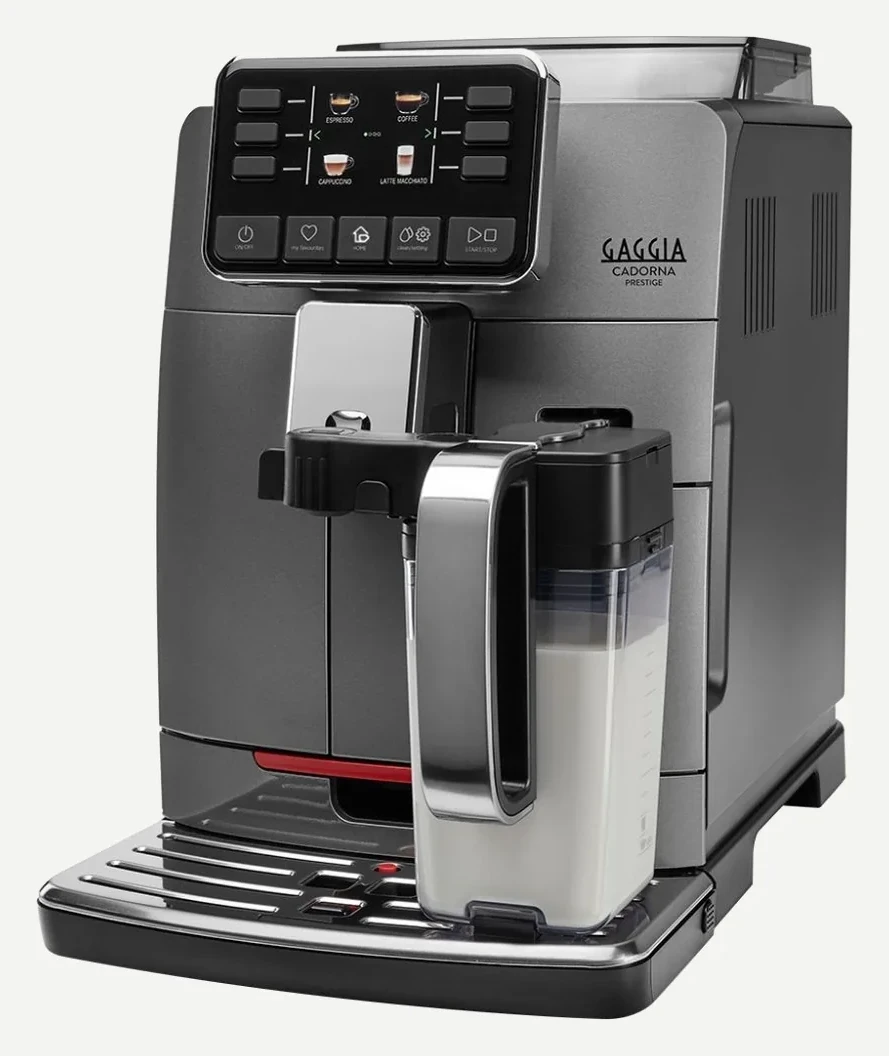
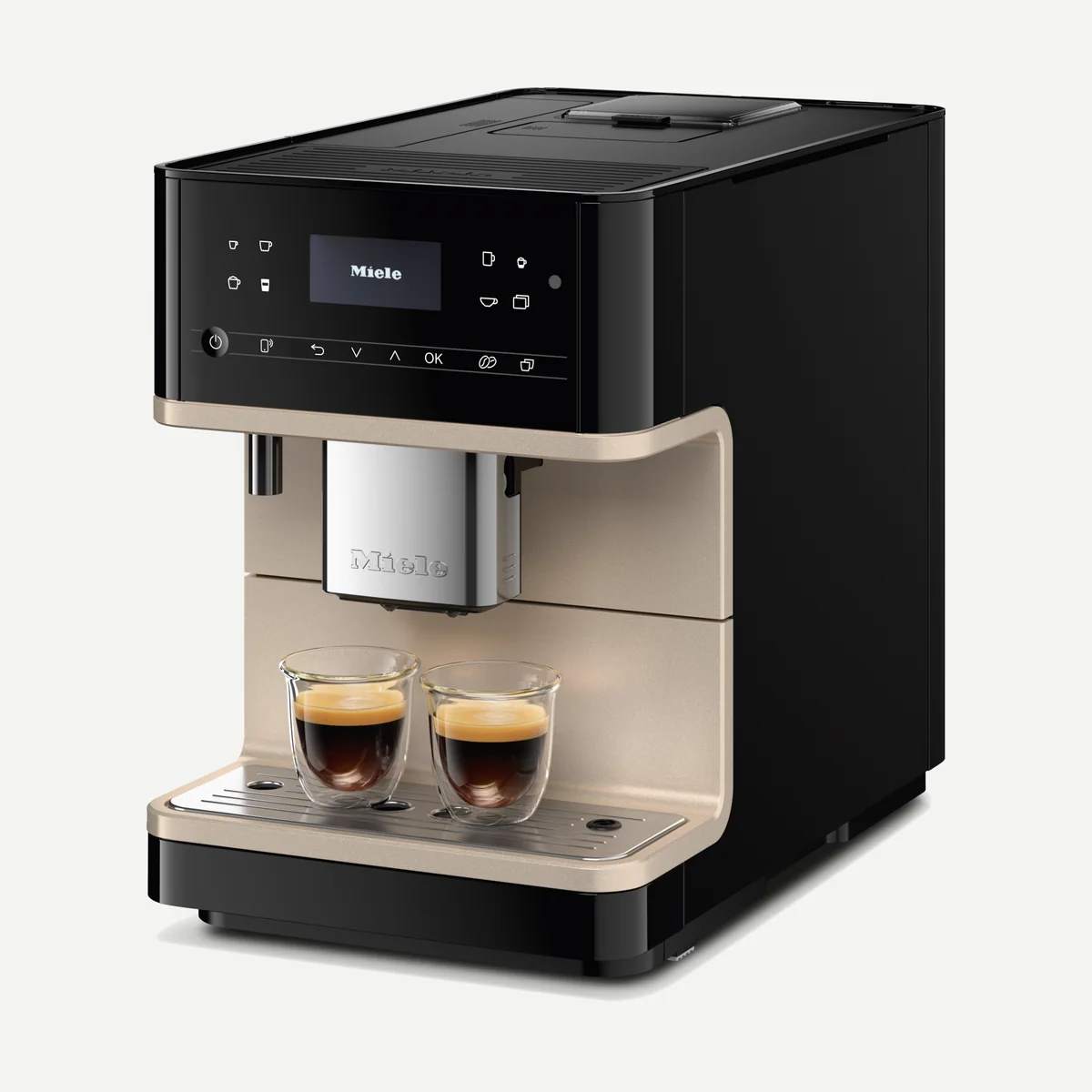
The Gaggia Anima is $699.00 against this machine's $699.99, and the two split cleanly. The Anima has a Pannarello wand, ceramic burrs, five grind settings and three published brew temperatures. This has a plain manual frother, 13 grind settings, and two years of cover rising to three on registration, where Gaggia publishes no term at all.
So the choice is grind resolution and cover against temperature control and a wand with a sleeve on it. If you drink black coffee and want to tune the shot, the 13 settings and the warranty win. If you drink cappuccino every day, the Pannarello produces foam more easily than a bare frother does.
Is the Magnifica Start worth it?
Yes as a first bean-to-cup, and it is priced and covered to be exactly that.
Grinder, brew unit and frother in one box at the accessible end of the shelf, from the brand with the largest installed base in the category, means parts and servicing will exist in five years. Add two years of cover, three if you register it, and the risk of the purchase is lower than anything else at the price.
It is not worth it if you are buying it for milk drinks. Three recipes and a manual frother is a black coffee machine with a milk option, and a household drinking two cappuccinos a day would be happier with an automatic milk system or a wand designed for foam.
Who should buy it (and who should not)
Buy it if
- You want fresh-ground coffee at a button and will steam your own milk.
- You are moving off pods and want the lowest-risk way in.
- You want the longest warranty available at this price.
Skip it if
- You want the best espresso for the money, which is a portafilter machine and a grinder for espresso.
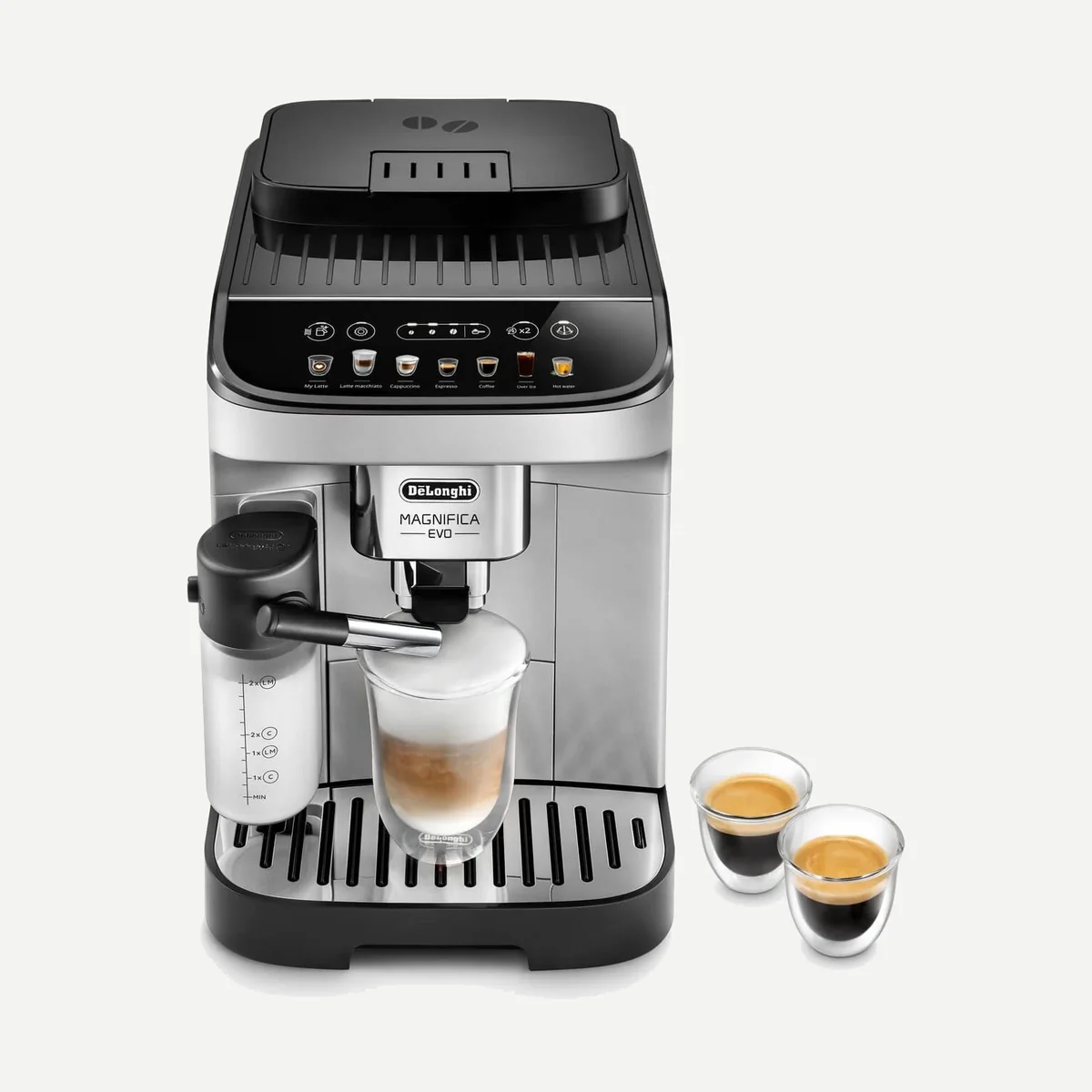
- You want one-touch milk drinks; this frother is manual, and the Magnifica Evo is the same coffee with the milk automated.
- You want more than espresso, coffee and americano at a button.
Frequently Asked Questions
Does the Magnifica Start froth milk automatically?
No. The model we list has what De'Longhi calls a traditional milk frother, which you control yourself. De'Longhi sells a separate Magnifica Start with the automatic LatteCrema system.
What warranty does the Magnifica Start have?
Two years, and a third if you register the machine. De'Longhi advertises that as an industry-leading three year warranty; the footnote on its own pages is what defines it.
How many grind settings does it have?
Thirteen, on a conical burr grinder. Adjust it one step at a time while the grinder is running.
How many drinks does it make at one touch?
Three: espresso, coffee and americano, each with adjustable intensity.
Will a tall mug fit under it?
De'Longhi publishes a maximum cup height of 5.46 inches.