What is Equator Blend?
The coffee every Equator cafe pours, and a blend that shows its working.
Equator calls this its all-time classic and its namesake, designed with versatility in mind: a mellow and complex coffee that brings together some of the world's best known growing regions. It is roasted medium-dark, and the tasting notes Equator gives are cedar, apricot, marzipan, milk chocolate and nutmeg. It is sold whole bean or ground, and it sits on the Equator Coffees roaster page.
What is in the blend
Four coffees from four countries, each doing a job.
| Component | Producer | Varieties | Altitude | Process |
|---|---|---|---|---|
| Sumatra, Dolok Sanggul, Lintong | Multiple producers | Onanganjang, Sigararutang | 4,600 to 4,750 ft (1,402 to 1,448 m) | Wet hulled |
| Kenya, Aberdare Mts., Mt. Kenya | Multiple producers | SL28, SL34, Ruiru 11 | 5,250 to 5,900 ft (1,600 to 1,798 m) | Washed |
| Colombia, La Plata, Huila | Las Rosas Women's Group | Caturra, Castillo | 5,575 to 6,550 ft (1,699 to 1,996 m) | Washed |
| Guatemala, Atitlan | Smallholder farmers | Bourbon, Catuai, Caturra | 3,900 to 5,900 ft (1,189 to 1,798 m) | Washed |
Equator says the wet-hulled Sumatra is the foundation, with notes of sweet grapefruit and aromatic wood, which is where the cedar comes from. The Kenyan adds brightness, the Colombian from the Las Rosas Women's Coffee Project adds milk chocolate and spice, and the Guatemalan, hand harvested and dried on patios, rounds it off with a creamy mouthfeel. Kenyan SL28 and SL34 are among the most prized varieties in coffee, which is unusual to find in a house blend.
Roasted to order in San Rafael
Equator's freshness claim is roasting to order. It does not publish a roast date on the bag.
Equator says it roasts to order in small batches at its roastery at 115 Jordan Street, San Rafael, California, where it has roasted since 2003, and it has used energy efficient Loring roasters since 2007. Its own advice is to buy whole bean every week or two and brew within a week or two of opening the bag. What it does not publish is a roast date on the bag, at least not on the front of the bag it shows, so unlike a roaster that prints the date you cannot check how old a bag is when it arrives.
Price, and what a cup costs
A dollar less than Jaguar, with the same size ladder.
| Bag | Price | Per kilo | Per cup (15 g) |
|---|---|---|---|
| 340 g (12 oz) | $18.50 | $54.38 | $0.82 |
| 907 g (2 lb) | $42.00 | $46.30 | $0.69 |
| 2.27 kg (5 lb) | $98.75 | $43.54 | $0.65 |
Shipping is free on orders of $50 or more, for one-off orders and subscriptions alike. Under $50 you pay the carrier rate at checkout, so three 12 oz bags or one 2 lb bag and a 12 oz bag is the cheapest way to order.
Equator Blend vs Stumptown Hair Bender
Two B Corp roasters' signature blends, built on the same idea.
Stumptown Hair Bender is the obvious comparison: Stumptown's flagship blend, also from a B Corp roaster, also a multi-continent mix of Latin America, Indonesia and Africa, with notes of citrus and dark chocolate and a medium roast. Hair Bender is sold in 12 oz bags; Equator Blend goes up to 5 lb. The real difference is disclosure: Stumptown describes regions, Equator names the growers, the varieties and the altitudes of each component. The Intelligentsia House Blend is the lighter alternative, medium roasted with red apple, orange and caramel, at $17.50.
How to brew Equator Blend
Equator's recipes all use the same 1:15 ratio, which makes it easy to switch brewers.
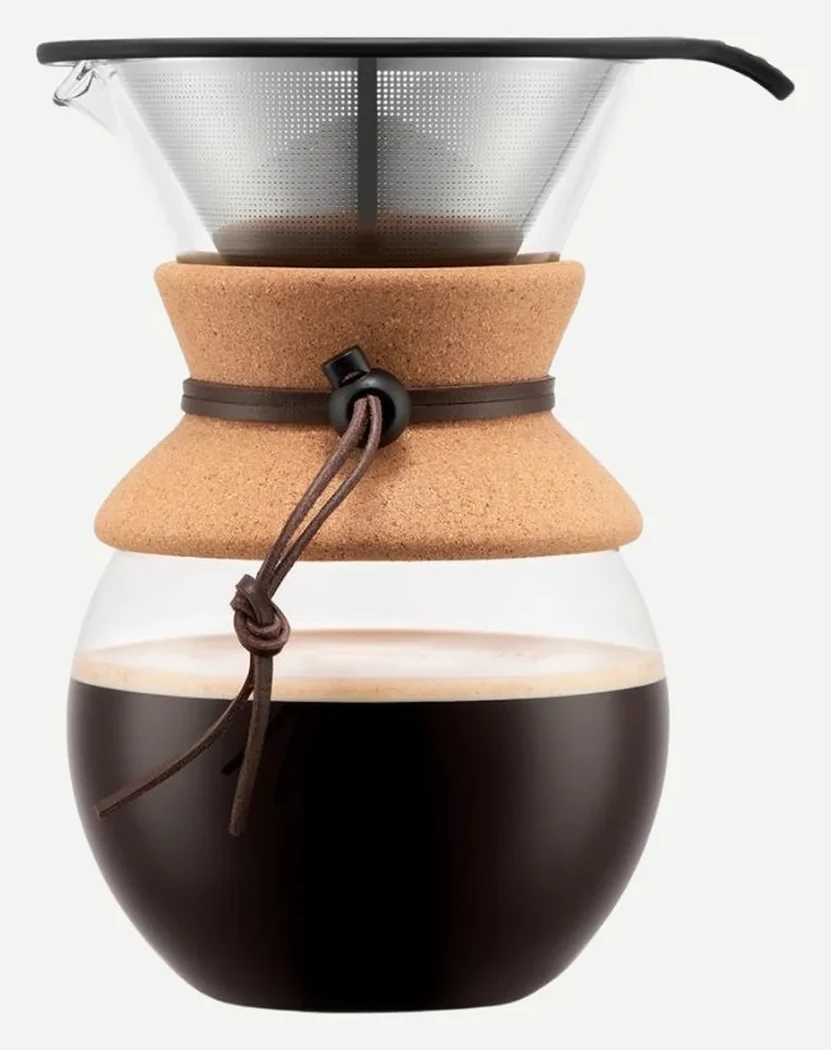
- Drip machine: 66 g of coffee to 1,000 g of water, 1:15, for a full carafe.
- French press: 45 g to 675 g, 1:15, steeped four minutes with a stir at one minute before plunging.
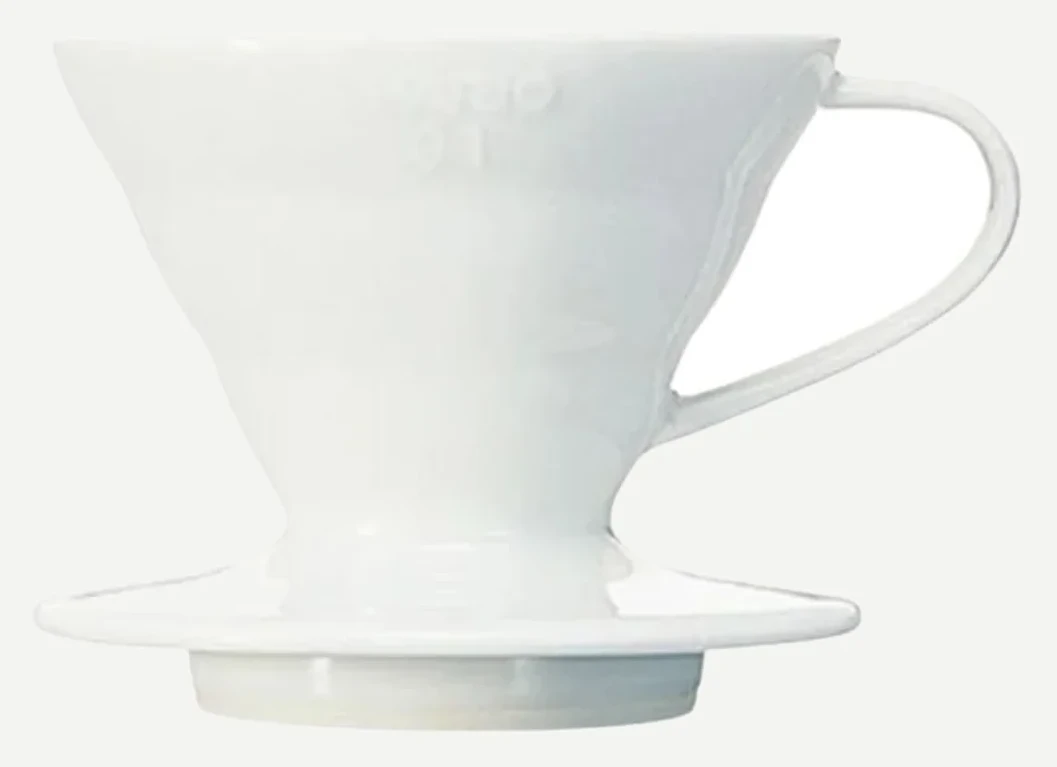
- Hario V60: 24 g to 360 g, 1:15, with a 60 g bloom then three pours of 100 g at 30 second intervals.
A medium-dark blend is forgiving, which is the point of a house coffee: it tastes good across all three without much adjustment. If it tastes flat in a French press, try a slightly finer grind; if bitter in a drip machine, a slightly coarser one. Our grind size guide explains what each change does, and Equator will grind it for you if you do not have a grinder.
Is it worth it?
Yes, as an everyday specialty blend with nothing hidden.
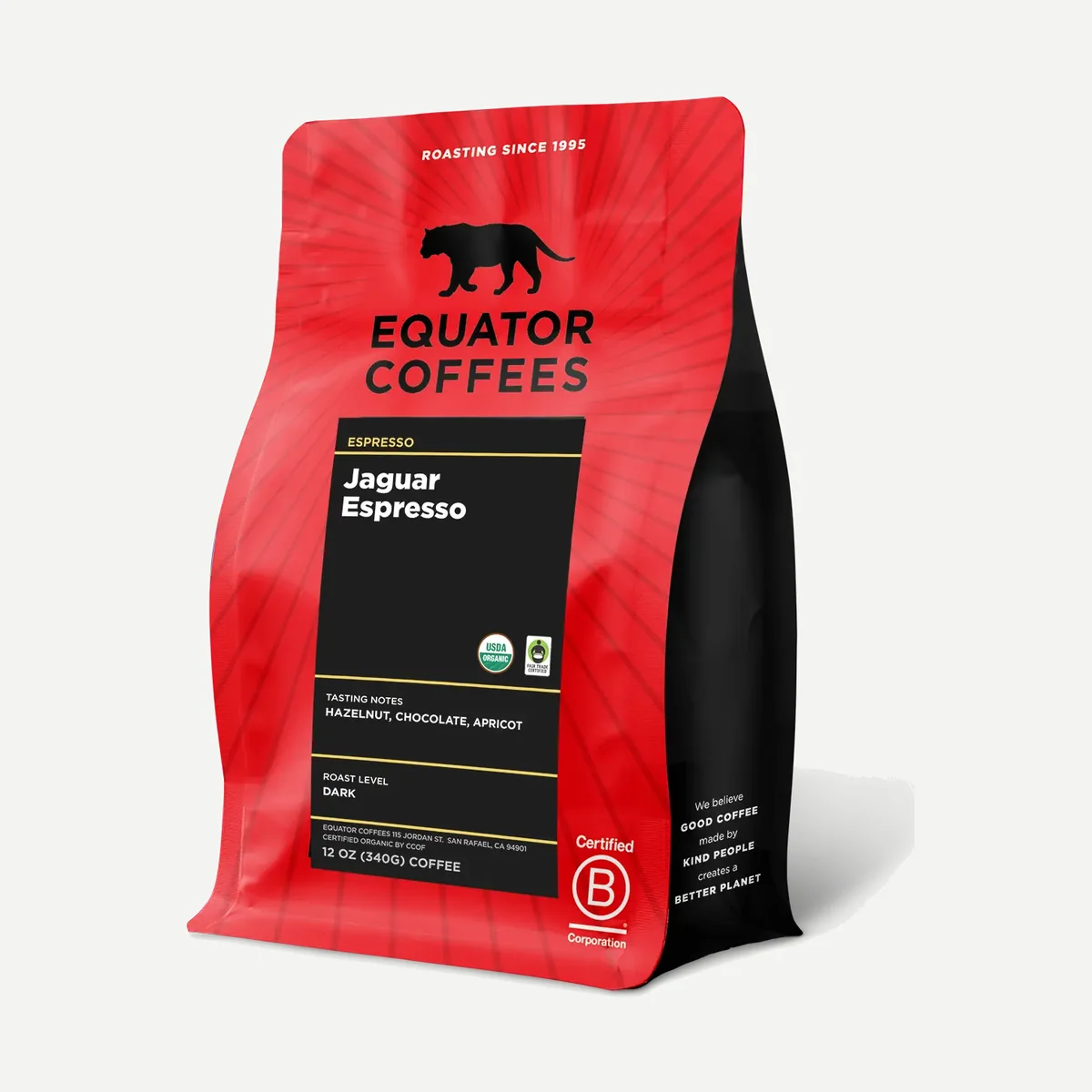
It is priced like the other specialty house blends here, and it publishes more about what is in it than any of them. If you want organic or Fair Trade in your everyday bag, Equator's Jaguar or a Fair Trade Organic blend is the choice instead, and if you want a date on the bag, look elsewhere.
Who should buy it (and who should not)
Buy it if
- You want one coffee for drip, pour over and French press.
- You like a rounded, chocolate and spice cup with some fruit.
- You want to know which farms and co-ops are in your bag.
Skip it if
- You want certified organic; Equator's Jaguar Espresso is.
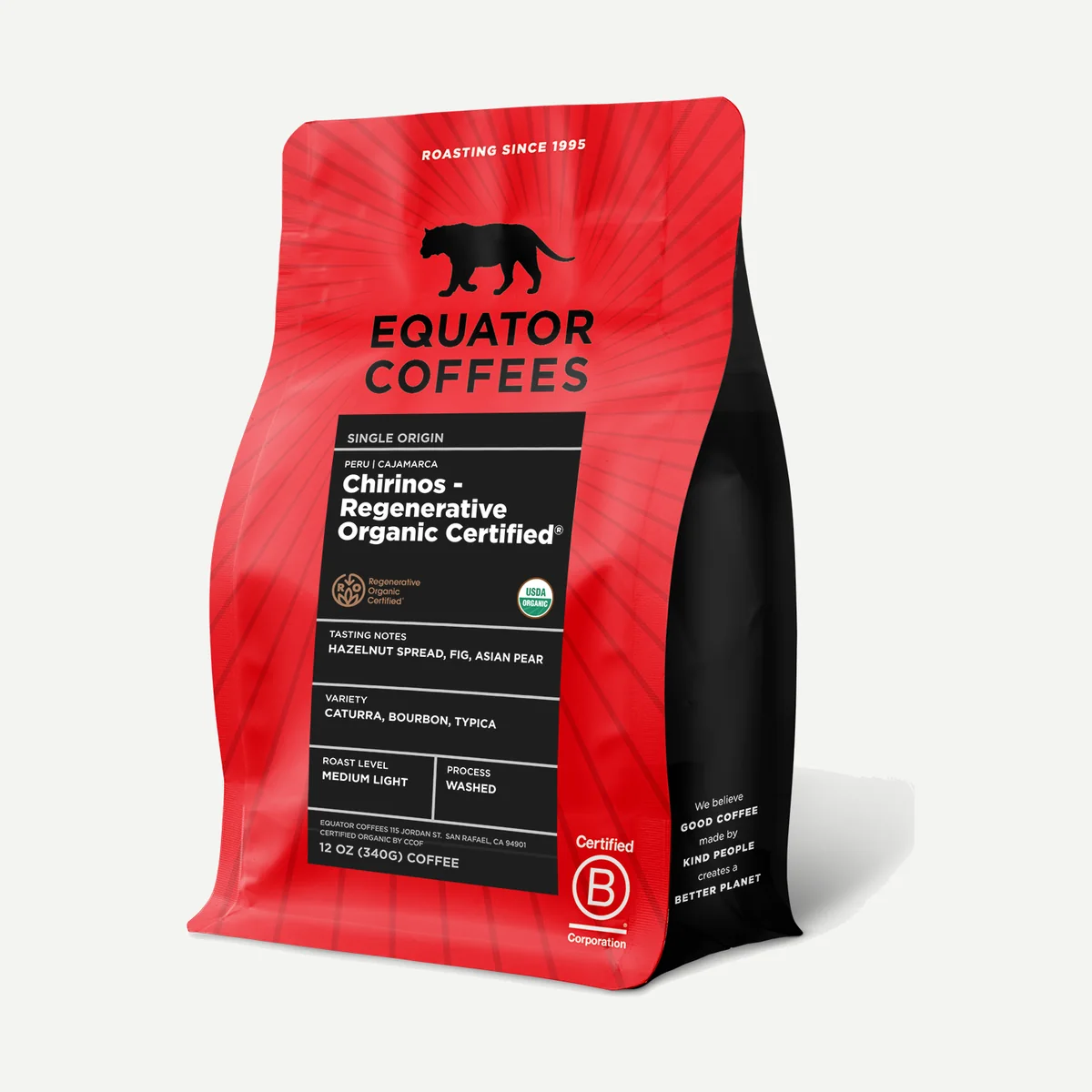
- You want a single origin rather than a blend; see our single origin coffees.
Frequently Asked Questions
What does Equator Blend taste like?
Equator lists cedar, apricot, marzipan, milk chocolate and nutmeg, roasted medium-dark.
What coffees are in Equator Blend?
A wet-hulled Sumatra, a washed Kenyan from the Aberdare Mountains, a washed Colombian from the Las Rosas Women's Group in Huila and a washed Guatemalan from Atitlan.
Is Equator Blend organic?
No certificate is claimed for this blend. Equator's Jaguar Espresso is Fair Trade and USDA Organic.
How should I brew it?
Equator's guides use a 1:15 ratio for drip, French press and V60, for example 24 g of coffee to 360 g of water for a V60.
Is there a decaf version?
Yes, the Decaf Equator Blend, made with the Mountain Water process.