What is Decaf Equator Blend?
Equator's house decaf, and one of the few decafs that names both its process and its growers.
Equator calls it its all-time decaf classic, served at all of its cafes and designed for versatility: a rich, balanced coffee to drink on its own or with a splash of milk. It is roasted medium-dark, with tasting notes of prune, cherry, cedar and nutmeg. It sits on the Equator Coffees roaster page, next to the regular Equator Blend.
How it is decaffeinated
Mountain Water, which Equator names, and nothing else.
Every component is decaffeinated with the Mountain Water process. Equator explains it: the green coffee is immersed in glacier water from Pico de Orizaba, Mexico's tallest mountain, and that water carries the coffee's soluble compounds, so it removes the caffeine, 99.9% of it by Equator's figure, while leaving the flavour. Equator says it only offers water processed decaf, with no chemical solvents ever, and prints a Chemical-Free Decaf seal on every decaf label.
That naming matters. Mountain Water, like Swiss Water, is a specific commercial process you can look up, which is more than many decafs offer. Our guide to how decaf is made compares every method.
What is in the blend
A bright Colombian base and a heavier Brazilian for body.
| Component | Producer | Varieties | Altitude | Process |
|---|---|---|---|---|
| Colombia, Popayan, Cauca | Smallholder farmers | Castillo, Caturra, Colombia, Typica | 3,300 to 5,400 ft (1,006 to 1,646 m) | Washed |
| Brazil, Cerrado, Minas Gerais | EXPOCACCER | Yellow Bourbon, Mundo Novo, Obata | 2,800 to 3,600 ft (853 to 1,097 m) | Natural and honey |
Equator says the fully washed Colombian gives a nuanced, bright foundation, and the natural and pulped natural lots from Brazil add body and nut-toned chocolate. That pairing is a sensible design for decaf, which tends to lose body in processing.
How to brew it
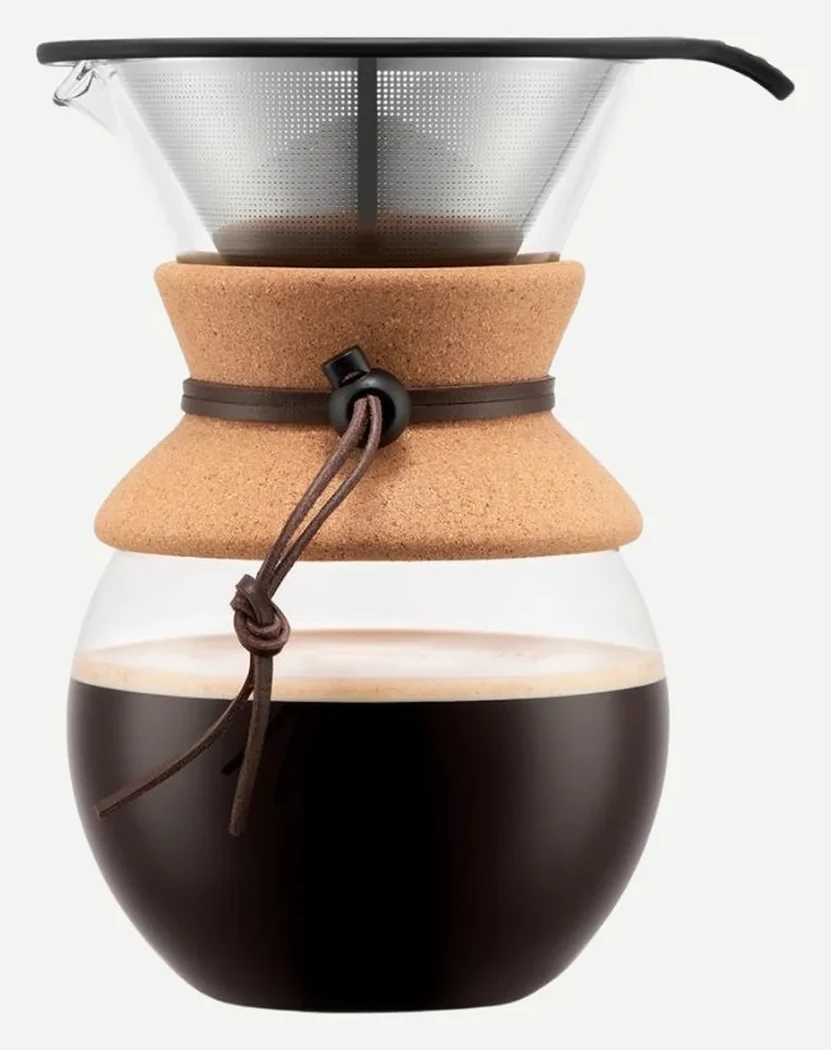
Equator suggests drip, Chemex and French press, all filter methods.
- Drip machine: 66 g of coffee to 1,000 g of water, 1:15.
- Chemex: 45 g to 720 g, 1:16, with a 90 g bloom and three pours of 210 g a minute apart.
- French press: 45 g to 675 g, 1:15, four minutes.
Decaffeinated beans are more porous and extract faster than regular beans, so if a decaf tastes bitter at your usual grind, go a step coarser. Decaf also goes stale faster once the bag is open, so buy the size you will finish in two weeks, which for most decaf drinkers is the 12 oz bag rather than the 5 lb.
Roasted to order in San Rafael
Equator's freshness claim is roasting to order. It does not publish a roast date on the bag.
Equator says it roasts to order in small batches at its roastery at 115 Jordan Street, San Rafael, California, where it has roasted since 2003, and it has used energy efficient Loring roasters since 2007. Its own advice is to buy whole bean every week or two and brew within a week or two of opening the bag. What it does not publish is a roast date on the bag, at least not on the front of the bag it shows, so unlike a roaster that prints the date you cannot check how old a bag is when it arrives.
Price, and what a cup costs
A dollar a bag more than the caffeinated blend, as decaf usually is.
| Bag | Price | Per kilo | Per cup (15 g) |
|---|---|---|---|
| 340 g (12 oz) | $19.50 | $57.32 | $0.86 |
| 907 g (2 lb) | $44.25 | $48.78 | $0.73 |
| 2.27 kg (5 lb) | $104.00 | $45.86 | $0.69 |
Shipping is free on orders of $50 or more, for one-off orders and subscriptions alike. Under $50 you pay the carrier rate at checkout, so three 12 oz bags or one 2 lb bag and a 12 oz bag is the cheapest way to order.
Decaf Equator Blend vs Intelligentsia Decaf Black Cat
Two specialty decafs, one built for the brewer, one for the espresso machine.
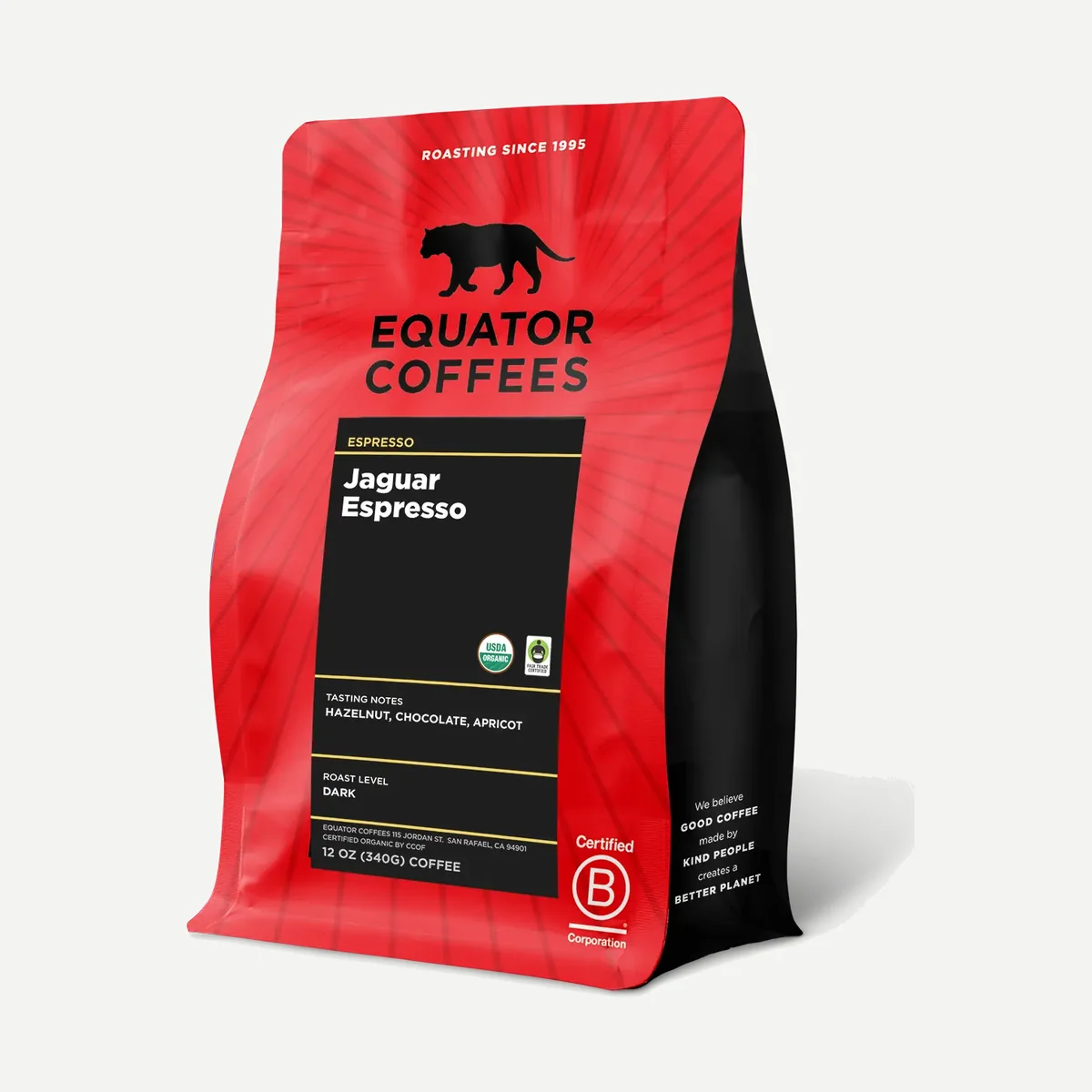
The Intelligentsia Decaf Black Cat Espresso is a medium roast decaf espresso, $18.50 for 12 oz, $46.08 a kilo, with cocoa, turbinado sugar and apple. It is the choice for decaf espresso. Equator's decaf is a medium-dark all-rounder that also comes in 2 lb and 5 lb bags, and it names its process where Intelligentsia's page does not.
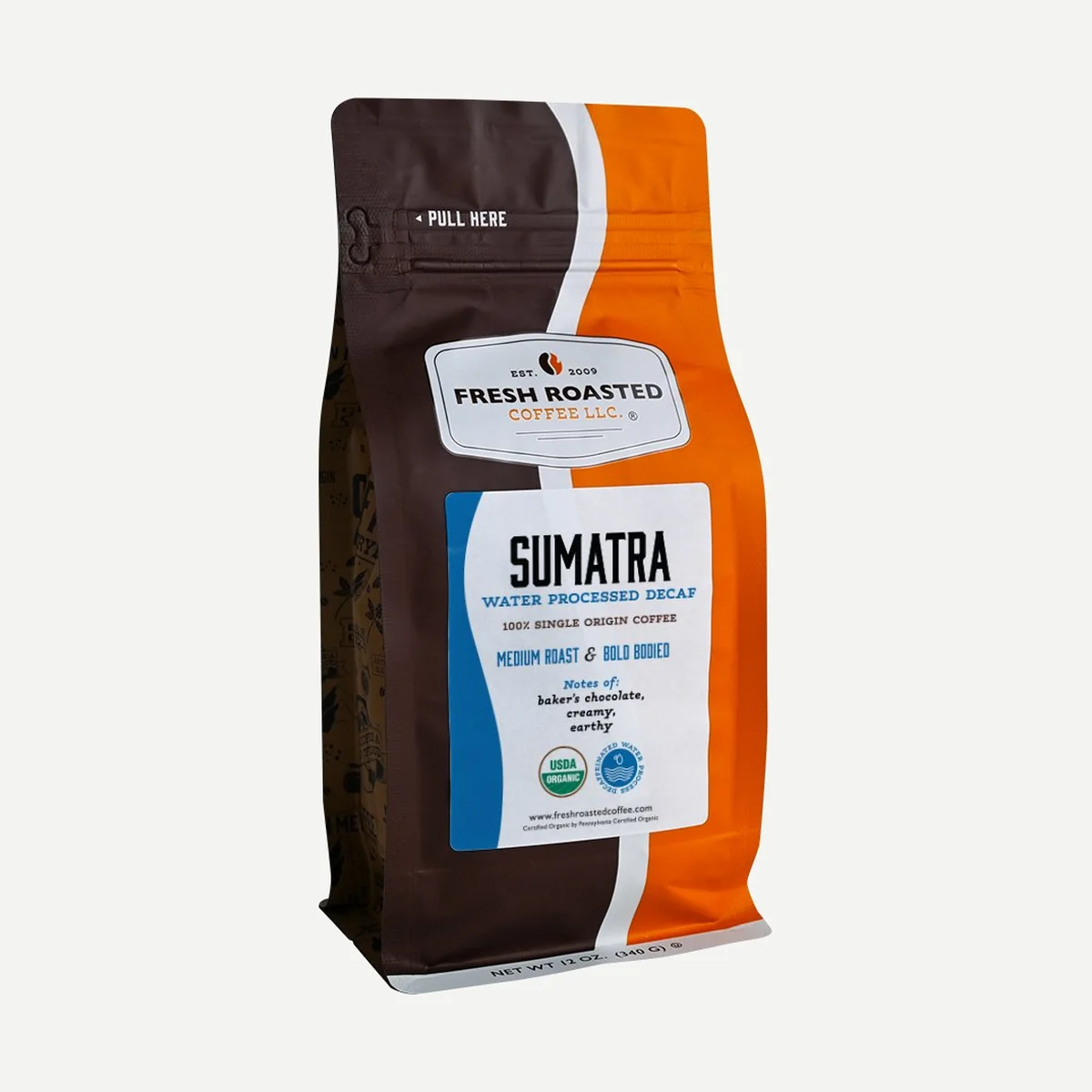
For a cheaper organic decaf, the Fresh Roasted Organic Sumatra Water-Processed Decaf is $18.99 for 12 oz and $33.06 a kilo in bulk, though it does not name its water process. All of them are on our best decaf coffee list.
Is it worth it?
Yes, for a decaf drinker who wants to know exactly what they are drinking.
A named solvent-free process, named growers and a design meant for body make this one of the most transparent decafs on this site. The costs are a specialty price and no date on the bag.
Who should buy it (and who should not)
Buy it if
- You want a decaf made without chemical solvents, with the process named.
- You brew drip, Chemex or French press and want body in a decaf.
- You drink enough decaf to use a 2 lb bag.
Skip it if
- You want certified organic decaf.
- You mainly want decaf espresso; a dedicated decaf espresso roast suits that better.
Frequently Asked Questions
How is Decaf Equator Blend decaffeinated?
With the Mountain Water process, using glacier water from Pico de Orizaba, with no chemical solvents.
How much caffeine does it remove?
Equator says the process removes 99.9% of the caffeine.
What does it taste like?
Equator lists prune, cherry, cedar and nutmeg, roasted medium-dark.
What coffees are in it?
A washed Colombian from smallholders in Popayan, Cauca, and natural and honey processed coffees from EXPOCACCER in Brazil's Cerrado.
Is decaf coffee caffeine free?
No decaf is completely caffeine free. Equator's figure for this one is 99.9% of the caffeine removed.