


What is Stumptown French Roast?
A dark roast from a roaster whose reputation is built on not doing this.
Stumptown publishes an organic blend with tasting notes of clove and bittersweet chocolate, roasted to expand on the coffee's inherent flavour by pulling out toasted and malty notes, 100% arabica, Direct Trade sourcing, and describes it as big and smoky but never burnt, a blend that redefines what a classic dark roast can be. The bag is 12oz, sold as a pack of two.
Why specialty roasters are wary of dark roasts
A dark roast hides the coffee, and specialty roasting is about showing it.
The whole argument for buying single-origin, farm-traceable coffee is that the bean tastes of somewhere. Roast it far enough and none of that survives: what you taste is the roast, and a Kenyan and a Colombian roasted to the same darkness are hard to tell apart.
That is why dark roasts became associated with commodity coffee. If the green coffee is inconsistent, roasting it dark levels it out, and the customer tastes caramelised sugar rather than the defects.
So a specialty roaster selling a French roast has to answer why. Stumptown's answer is in its wording: roasted to expand on the coffee's inherent flavour, toasted and malty rather than charred. Malt is a Maillard note from the middle of the roast, not the end. It is a claim to have stopped short of where flavour gets destroyed, and clove supports it, being a spice note rather than an ash one.
Organic and Direct Trade on a dark roast
Unusual, because dark roasting is normally where the cheapest coffee goes.
Paying Direct Trade prices for coffee you are then going to roast dark looks economically odd, since much of what you paid for is roasted away. It is also the point: starting from good green coffee is what stops a dark roast tasting hollow underneath the smoke.
This and Founder's Blend are the two organic bags in this range. Hair Bender and Homestead are not.
Where a dark roast is genuinely the right choice
Milk, and a grinder that is not very good.
Milk flattens acidity and mutes delicate flavours, which is why a bright washed coffee largely disappears into a latte. A dark roast has enough bitterness and body to still be present, which is the honest reason most espresso blends are roasted darker.
Dark roasted beans are also more brittle, so they grind more evenly on a cheap burr grinder and extract faster, which makes them more forgiving. If your equipment is modest, this bag will show you more of what Stumptown can do than Homestead would.
Is it worth it?
Worth it if you like dark coffee and want it made properly.
An organic, Direct Trade dark roast with a published roast date is a rare object. Most dark roast at this quality of sourcing simply is not made, because the economics discourage it.
Stumptown publishes no origin country for this blend, unlike the other three here, and no farm, altitude, varietal or processing method. That is the most notable gap: a dark roast is where origin matters least, and it is also the one bag where the roaster stops naming it.
Who should buy it (and who should not)
Buy it for espresso with milk, or if bright coffee has never appealed.
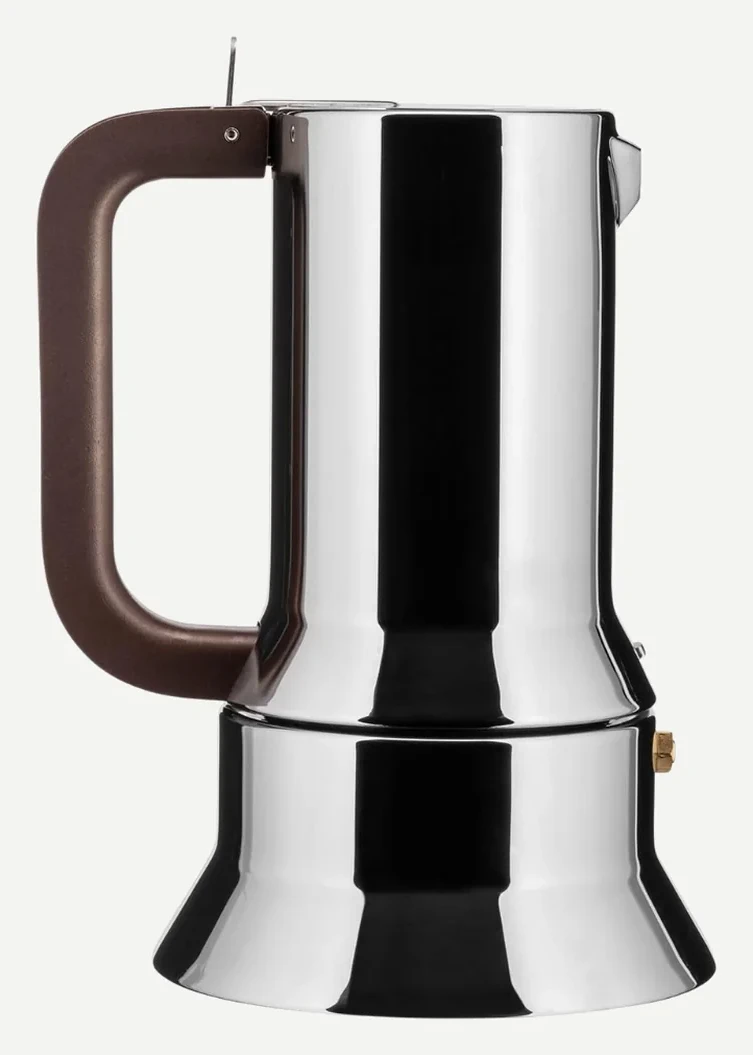
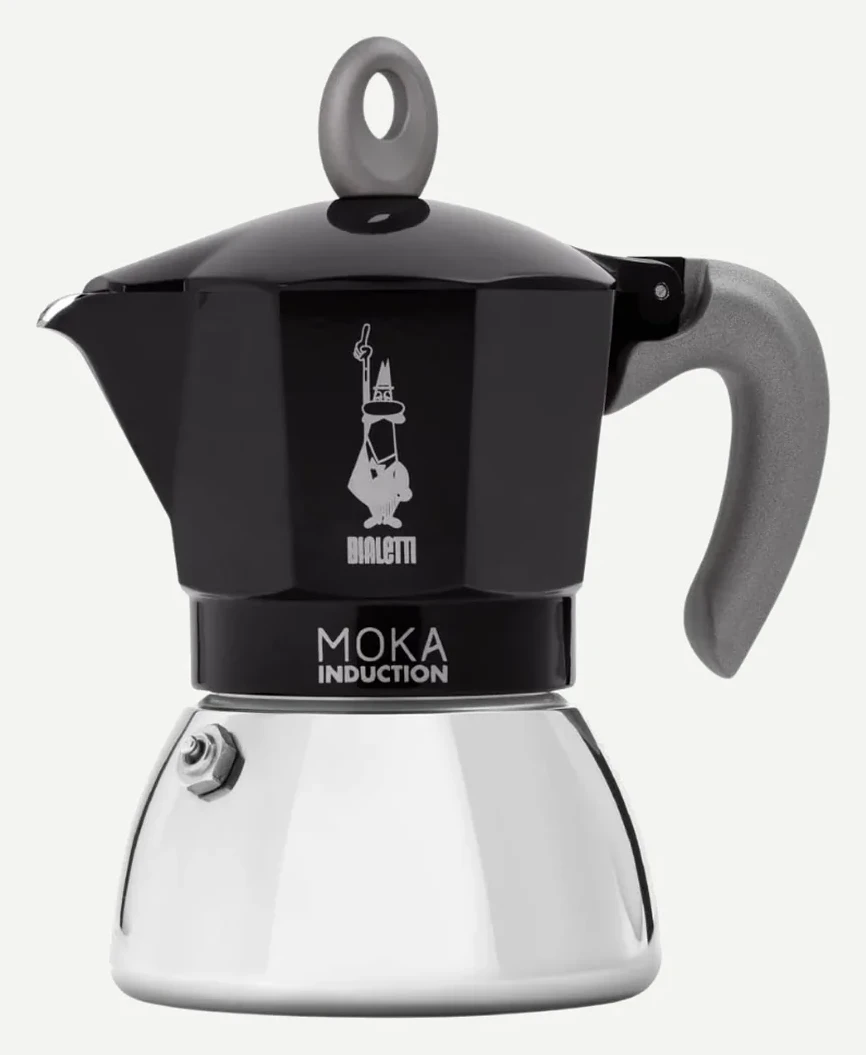
It suits a flat white habit, a stovetop espresso maker, a modest grinder, and anybody who wants certification and sourcing standards without a fruity cup.
Do not buy it to taste origin character, which the roast level removes by design. And do not buy it for a delicate pour over, where the other three blends are better used.
Frequently Asked Questions
Is Stumptown French Roast burnt?
The maker says big and smoky but never burnt, roasted for toasted and malty notes. Malt is a mid-roast character rather than a charred one.
Is it organic?
Yes, and Direct Trade. It is one of two organic blends in this range.
Where is it from?
Not published. It is the only one of these four where Stumptown does not name the regions.
Is it good for espresso?
A dark roast carries through milk better than a bright one, which is why most espresso blends are roasted this way.
What does clove mean as a tasting note?
A warm spice character that develops in darker roasting. It is a sign of roast development rather than of the bean's origin.