What is Equator Decaf Espresso?
A decaf built to behave like a normal espresso.
Decaf espresso has a reputation for being hard to get right: decaffeinated beans are more porous and can pull fast, thin and flat. Equator Coffees calls this blend its quintessential decaf espresso, designed for rich, creamy shots from any espresso machine, and its Director of Coffee Culture says customers often remark on how easy it is to dial in. It is a longtime favourite in Equator's range.
Equator roasts it medium-dark and lists dark chocolate, dried cherry and roasted nuts as the tasting notes. It is sold whole bean, or ground for espresso, drip and pour over, or French press.
What is in the blend
A Brazilian base for body, a Colombian for brightness.
- Brazil, Cerrado, Minas Gerais. Natural and pulped-natural (honey) Yellow Bourbon, Mundo Novo and Obata from EXPOCACCER, grown at 2,800 to 3,600 feet. Equator uses it for body, depth and fruit-toned chocolate.
- Colombia, Popayan, Cauca. A washed coffee from smallholder farmers, with Castillo, Caturra, Colombia and Typica grown at 3,300 to 5,400 feet. Equator says it keeps its flavour through decaffeination unusually well and adds brightness.
How it is decaffeinated
Mountain Water: glacier water, not solvents.
Equator decaffeinates every component of this blend by the Mountain Water process. The green coffee is soaked in water from Pico de Orizaba, Mexico's tallest mountain, which already carries the soluble parts of coffee, so it draws out the caffeine while leaving most of the flavour behind. Equator says it removes 99.9% of the caffeine, and that it only sells water-processed decaf, with no chemical solvents. Its Chemical-Free Decaf seal is printed on the bag. Our guide to how decaf is made compares the water, CO2 and solvent methods.
How fresh it arrives
Roasted after you order, with the date on the bag.
Equator roasts to order in small batches at its roastery on Jordan Street in San Rafael, California, Monday to Friday, and says orders ship from the roastery in one to two business days. The bag carries a ROASTED ON date on the bottom, so you can see exactly how old the coffee is rather than trusting a best-before date set a year out. That is the single most useful thing a coffee bag can print, and most supermarket bags do not. Equator ships within the US only, free on orders of $50 or more.
What it costs
Priced like Equator's regular espressos.
| Bag | Price | Per kilo | Per cup (15 g) |
|---|---|---|---|
| 340 g (12 oz) | $19.50 | $57.35 | $0.86 |
| 907 g (2 lb) | $44.25 | $48.79 | $0.73 |
| 2.27 kg (5 lb) | $104.00 | $45.86 | $0.69 |
Per-cup figures assume 15 g; an 18 g double from the 12 oz bag costs about $1.03. It is priced the same as Equator's Eye of the Tiger espresso, so choosing decaf costs nothing extra here. The 5 lb bag brings it to $45.86 a kilo.
How to brew it
Equator's recipe: 18 g in, about 40 g out, 24 to 26 seconds.
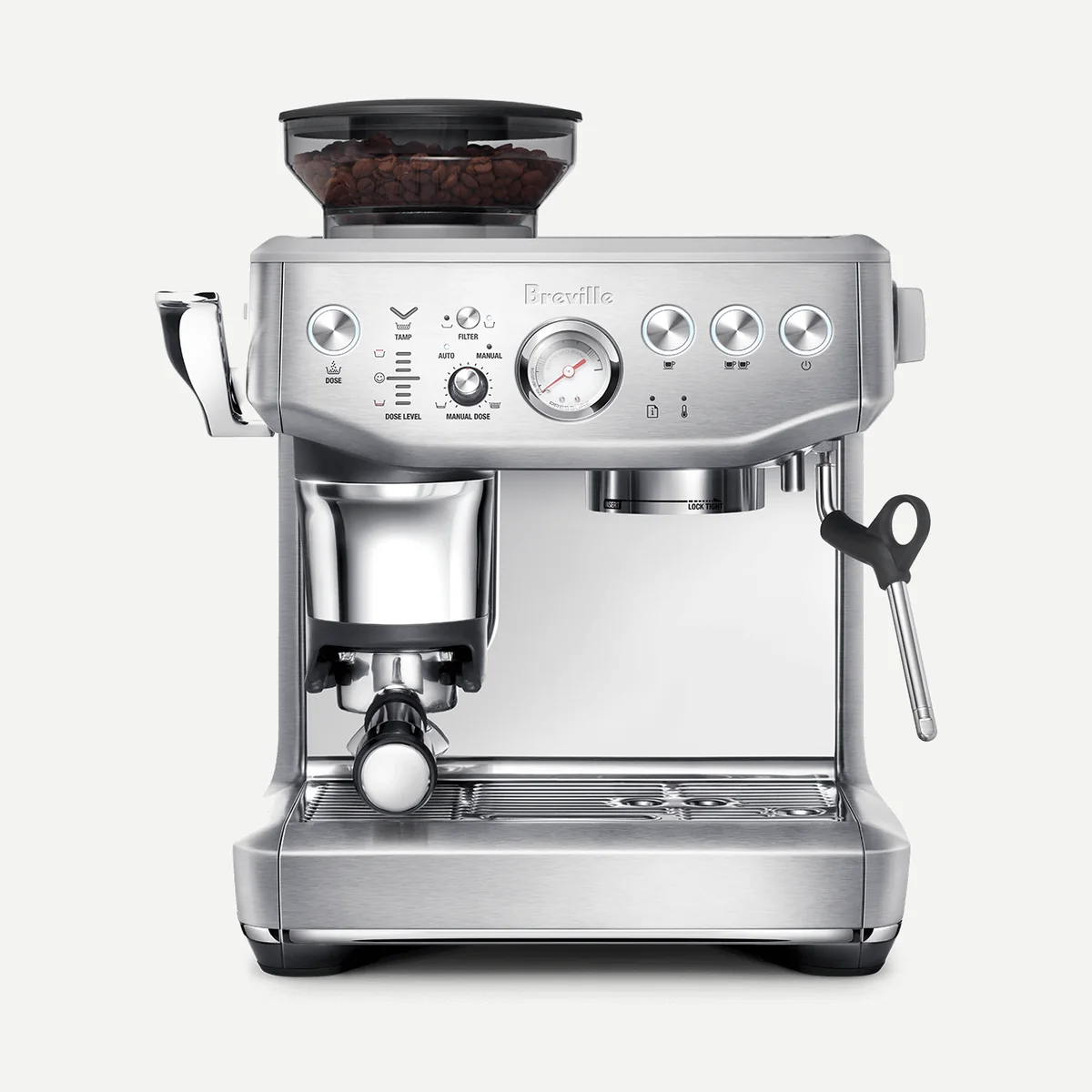
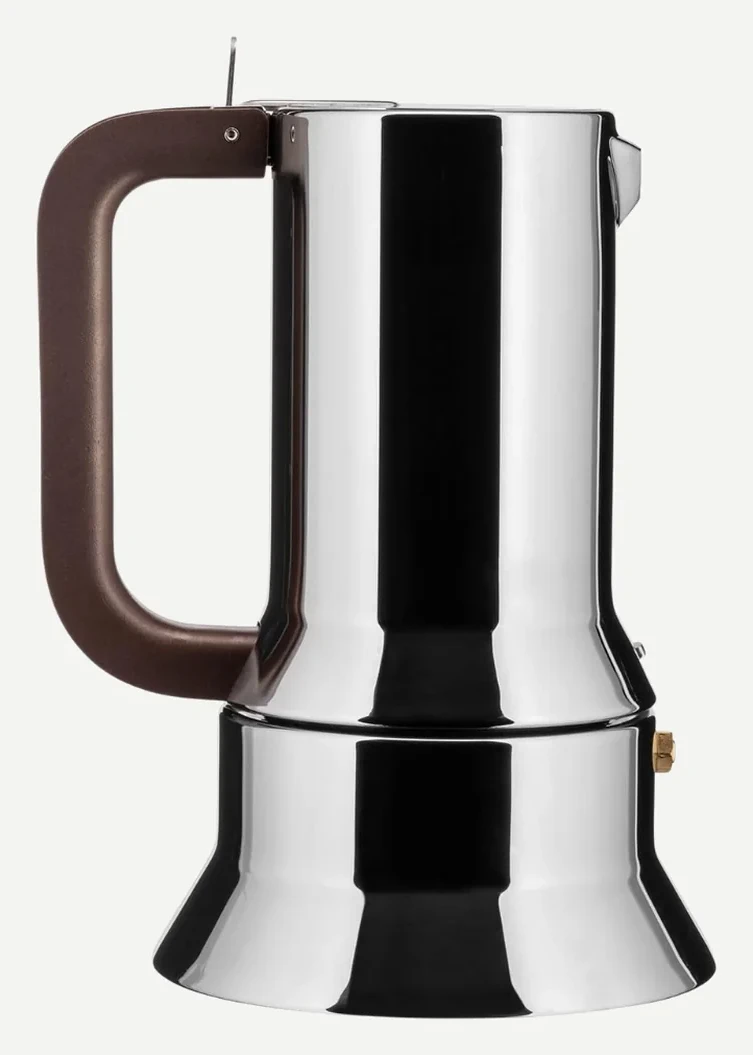
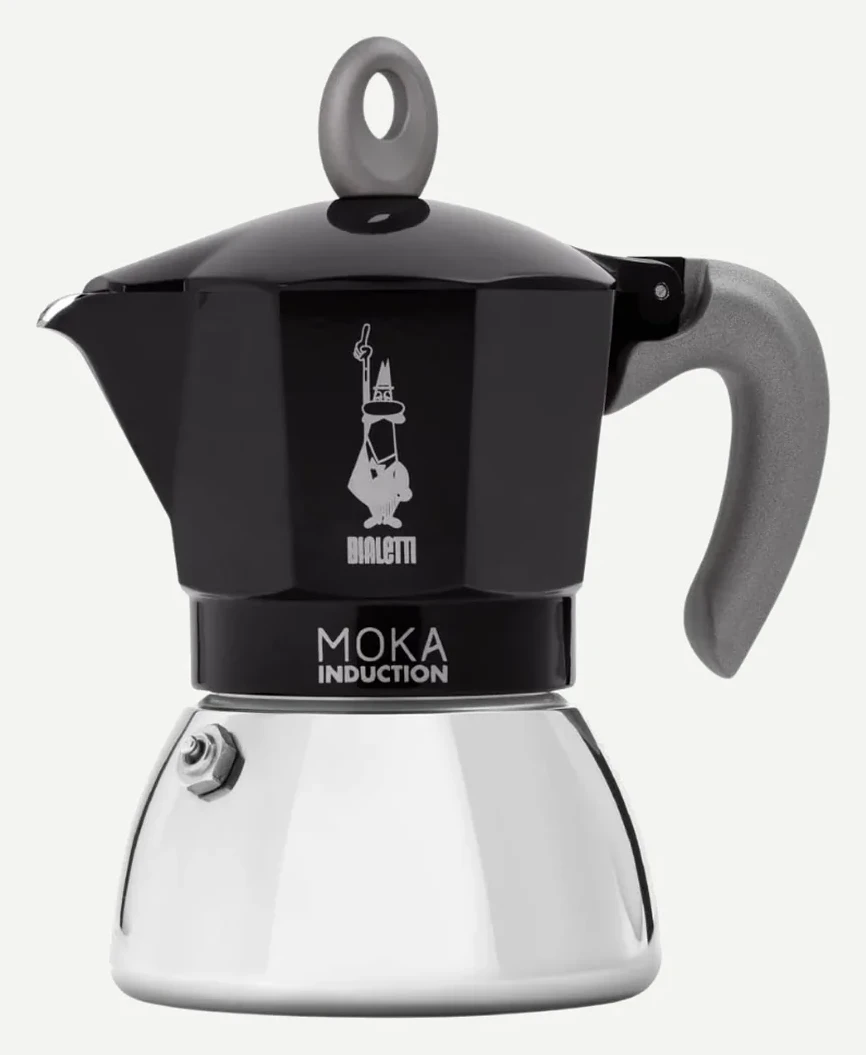
Equator brews it on a Breville Barista Express at a 1:2.2 ratio: 18 g of coffee to 39.6 g of espresso in 24 to 26 seconds. Decaf often runs faster than regular coffee at the same grind, so expect to grind a step or two finer than for your usual espresso. It also makes a strong decaf moka pot coffee, 30 g to 300 g of water by Equator's recipe, and a rich decaf latte. If shots taste sour or thin, our guide to under-extracted espresso explains what to change.
Decaf Espresso vs Intelligentsia Decaf Black Cat
Two specialty decaf espressos.
Intelligentsia's Decaf Black Cat is roasted medium, with notes of cocoa, turbinado sugar and apple, at $18.50 for 12 oz. Equator's is roasted a little darker, costs $1 more, and names its decaf method on the page: Mountain Water. Choose Intelligentsia for a sweeter, lighter shot; choose Equator for a heavier, chocolatey shot and a stated chemical-free process. Equator's own Decaf Equator Blend is the filter-coffee decaf in the same range.
Why the roast date matters
Coffee is at its best for weeks, not the year a best-before date implies.
Roasted coffee gives off carbon dioxide for days after roasting, which is why espresso tastes harsh and filter coffee bubbles hard in the first few days. After that it is at its sweetest for a few weeks, then slowly goes flat as the aromatic oils oxidise. A best-before date, usually set a year or more after packing, tells you nothing about where a bag sits on that curve. A printed roast date does. We list every coffee on the site that prints one in coffee with roast dates, and our scores give real weight to it.
Buy only what you will drink in about a month, keep it in the bag it came in or an airtight container, away from light and heat, and grind just before brewing. Do not keep beans in the fridge: they pick up moisture and smells.
Is Equator Decaf Espresso worth it?
For a decaf latte or evening espresso at home, yes.
It is a fresh, documented decaf made the chemical-free way, priced like regular espresso. If certified organic matters to you, look elsewhere, and if you want a light, fruity decaf, this is not it. Our list of the best decaf coffee ranks the alternatives.
Who should buy it (and who should not)
Buy it if
- You make espresso or lattes at home and want decaf.
- You want a decaf made without chemical solvents.
- You like chocolatey, medium-dark shots.
Skip it if
- You need a certified organic decaf.
- You prefer light, bright coffee.
- You live outside the US.
Frequently Asked Questions
How is Equator Decaf Espresso decaffeinated?
By the Mountain Water process, using glacier water from Pico de Orizaba in Mexico. Equator says it removes 99.9% of the caffeine with no chemical solvents.
What does it taste like?
Equator lists dark chocolate, dried cherry and roasted nuts, from a medium-dark roast.
Can I use it for drip coffee?
Yes. Equator sells it ground for drip and French press as well as espresso.
How much is Equator Decaf Espresso?
$19.50 for 12 oz, $44.25 for 2 lb and $104 for 5 lb.