What is the Honduran Espresso Blend?
An espresso blend from a single farm, which is rarer than it sounds.
Most espresso blends mix coffees from several countries to balance body, sweetness and acidity. Spirit Origin's joins two Honduran coffees from the same farm, Finca Montecillos in Marcala, grown by Yuliana Hernandez. It does not say which two varieties go in, which is the one gap in an otherwise well documented range. It is roasted medium-dark, and the notes Spirit Origin gives are citrus, honey, sweet fruit, floral and peach.
Spirit Origin says it is built for espresso, moka pot and strong drip. It is sold whole bean or ground, in a 340 g bag or packs of three and six.
Medium-dark, not dark
Enough roast for milk, not so much that the origin disappears.
A dark espresso roast tastes mainly of the roast: chocolate, smoke, bitterness. Stopping at medium-dark keeps more of the coffee's own sweetness and acidity, which is why the notes here are fruit and honey rather than cocoa and spice. It will still carry milk in a latte or cappuccino, though with a lighter, sweeter edge than a classic Italian blend. If you have only drunk dark espresso, our piece on espresso beans vs coffee beans explains why the label is about roast and intent rather than a different bean.
Roasted in Honduras, not abroad
Most coffee is shipped green and roasted in the country that drinks it. This one is not.
Spirit Origin roasts on a Probat at its roastery on Roatan, in Honduras's Bay Islands, a few days from the farms. The coffee is grown, processed, roasted and packed in the same country, which the company says keeps 92% of the revenue in Honduras rather than with an importer and a foreign roaster. The bags are nitrogen sealed, high barrier and fitted with a one-way degassing valve, and the packaging is certified home compostable under TUV OK Compost HOME. Every lot is tested by a third party for mycotoxins, pesticides and herbicides.
The schedule matters for freshness. Spirit Origin roasts weekly, rests the coffee, and dispatches on Tuesdays, and says most orders arrive in 3 to 11 business days. It does not say a roast date is printed on the bag, so you are relying on that weekly schedule rather than a date you can check. Our guide to storing coffee beans covers what to do once the bag is open.
Price, and what a shot costs
A specialty espresso price, with the saving in the packs.
| Bag | Price | Per kilo | Per cup (15 g) |
|---|---|---|---|
| 340 g (12 oz) | $29.00 | $85.29 | $1.28 |
| 3 x 340 g | $78.30 | $76.76 | $1.15 |
| 6 x 340 g | $148.00 | $72.55 | $1.09 |
Shipping inside the United States is a flat $8.99, and free on orders over $75. That makes the single bag dearer than it looks: one bag plus shipping is the price of the bag and nearly nine dollars more. International orders are priced by DHL at checkout. Subscribe and save takes 20% off each bag, and you can skip, pause or cancel at any time.
The per cup column uses 15 g. A double espresso takes nearer 18 g, so a 340 g bag makes about 18 doubles.
Honduran Espresso Blend vs Equator Jaguar Espresso
Both have Marcala, Honduras in them.
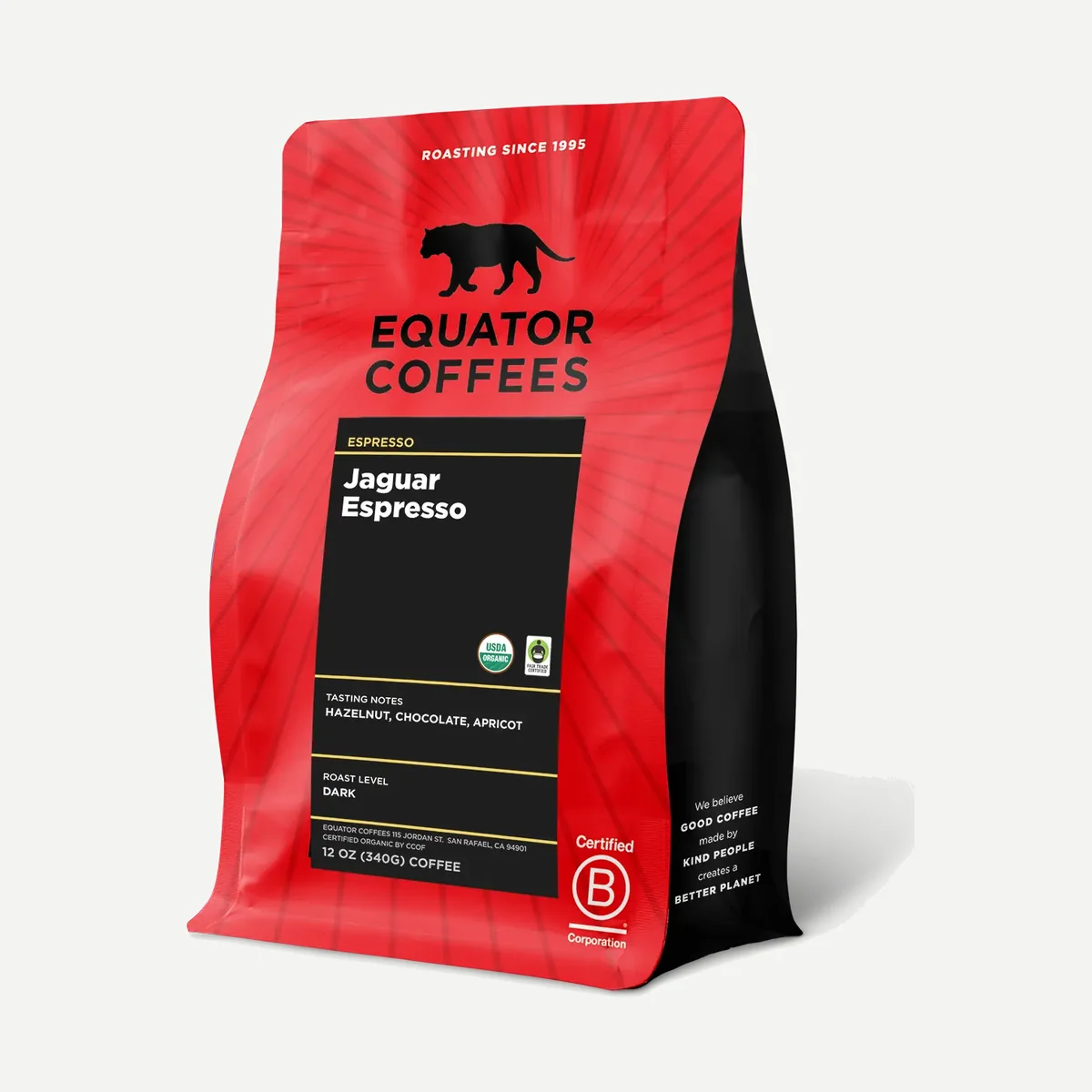
Equator Jaguar Espresso blends two Marcala co-op coffees with a Sumatra and roasts it dark, organic and Fair Trade certified, for $19.50 a 12 oz bag. It is the cheaper, darker, certified choice, and the stronger in milk. Spirit Origin's blend is single farm, lighter, roasted at origin and dearer.
Honduran Espresso Blend vs Intelligentsia Black Cat Analog
A classic American espresso blend for comparison.
The Intelligentsia Black Cat Analog Espresso is a medium-dark blend at $17.50 a bag, with dark chocolate, baking spices and toasted marshmallow in its notes. It is cheaper and chocolate led. The Spirit Origin blend trades that for fruit and honey and a single farm.
How to brew it
Espresso first, moka pot second, strong drip if you must.
- Espresso: start at 18 g in and about 36 g out, a 1:2 ratio, in 25 to 30 seconds, and adjust the grind from there.
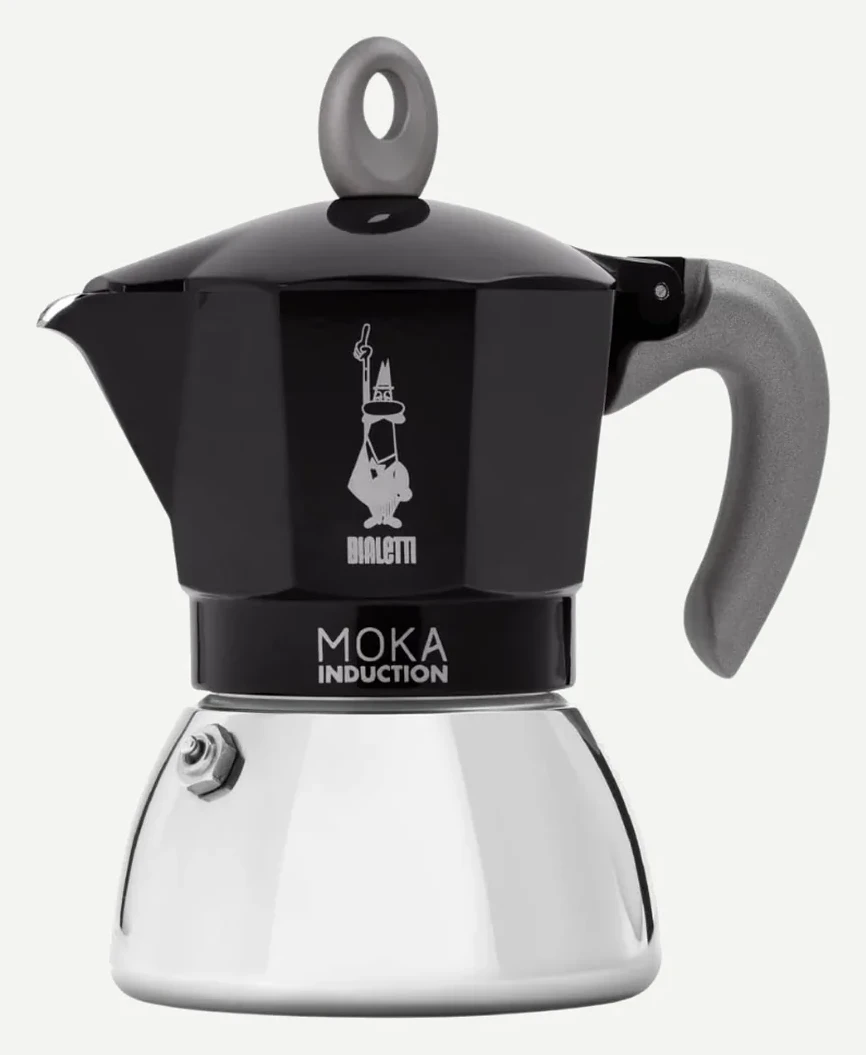
- Moka pot: fill the basket level without tamping and take it off the heat as soon as it starts to sputter; our moka pot guide covers it.
- Strong drip: use a little more coffee than usual, about 1:14.
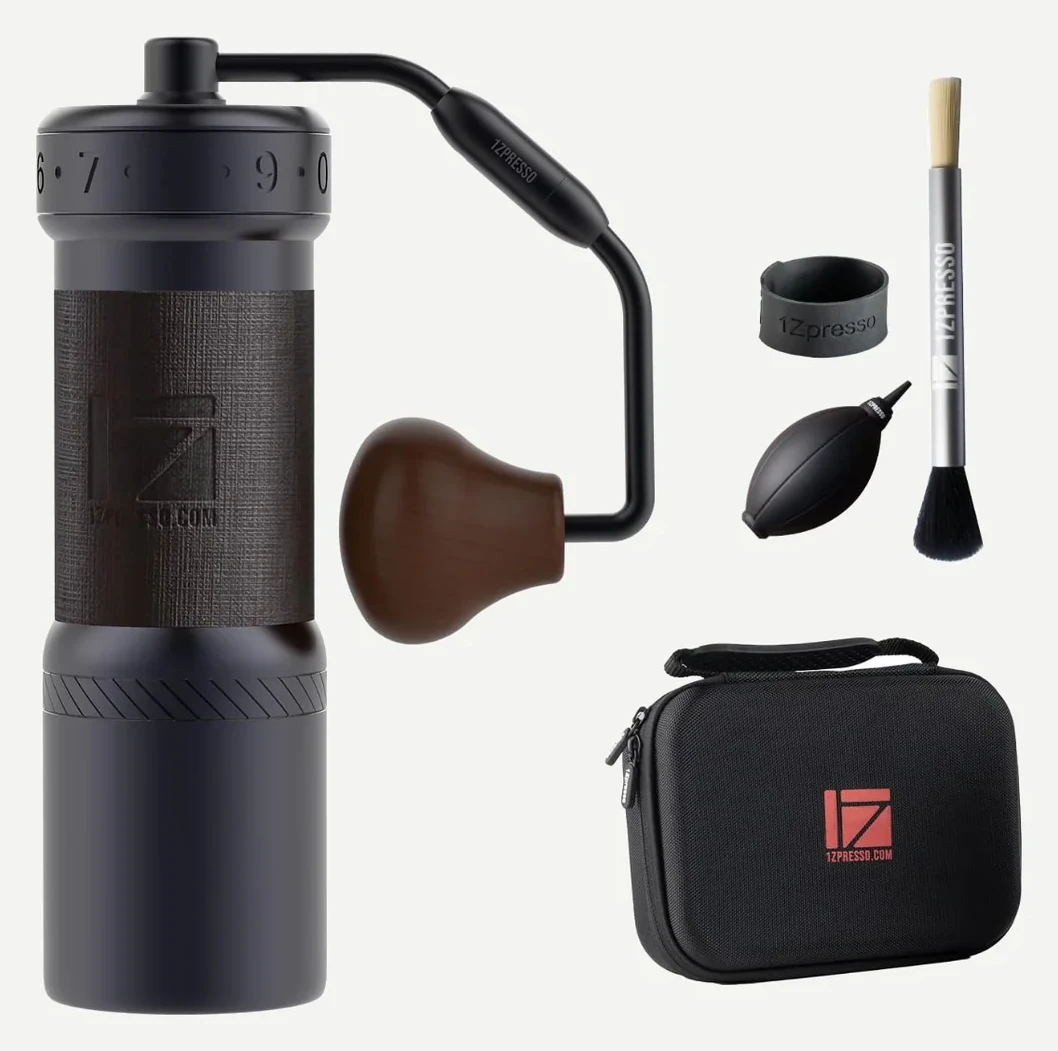
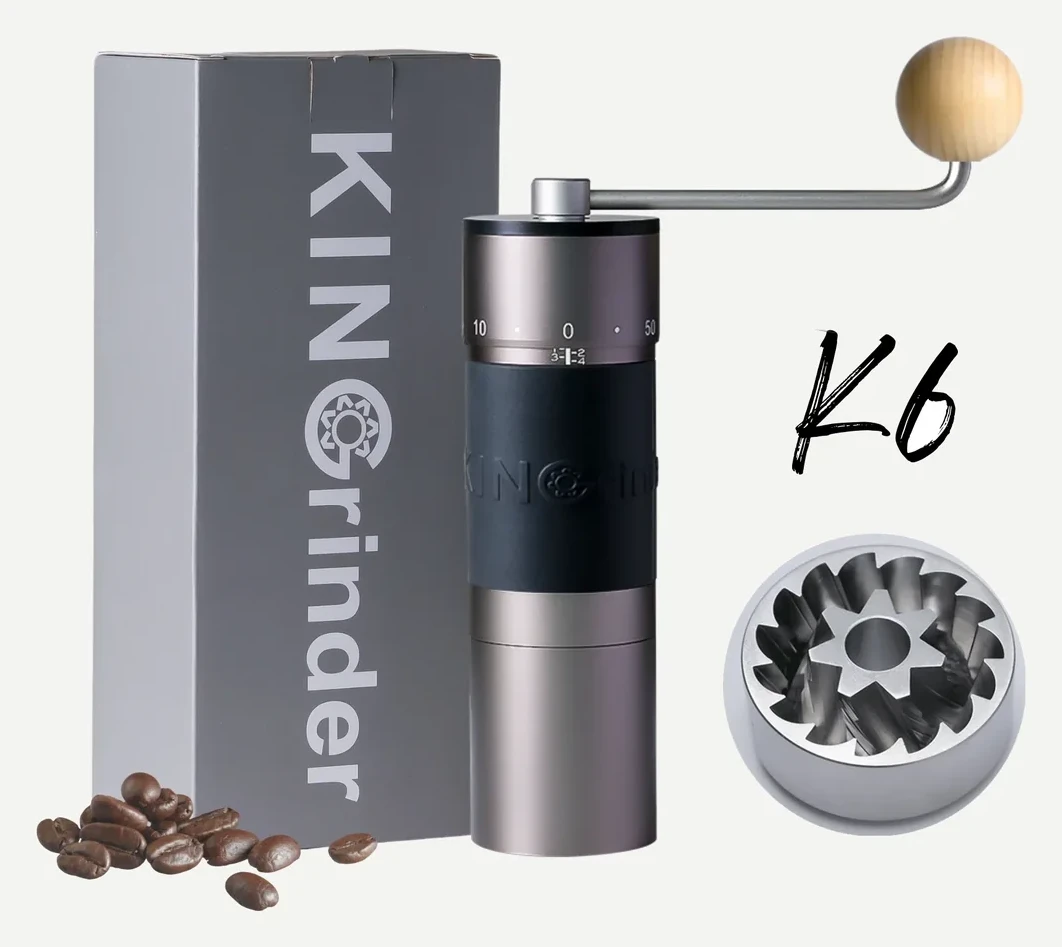
A lighter espresso roast can taste sour if the shot runs too fast. Grind finer before you change anything else, and use a grinder that can make small steps; see the grinders for espresso list.
Is it worth it?
For a sweet, traceable espresso, yes; for the strongest latte for the money, no.
It is an unusual espresso blend: one farm, roasted in Honduras, stopped short of dark. That makes it good for espresso drunk straight and for anyone who finds dark blends bitter. Somebody who mostly drinks large milky lattes will get more punch for less from a darker, cheaper blend.
Who should buy it (and who should not)
Buy it if
- You drink espresso straight and like it sweet rather than bitter.
- You want an espresso blend you can trace to one farm.
- You brew in a moka pot and want something lighter than a classic Italian roast.
Skip it if
- You want a dark, chocolatey roast for big milk drinks.
- You want certified organic or Fair Trade coffee.
- You brew filter only; try the Montecillos Catuai Washed instead.
Frequently Asked Questions
What is in Spirit Origin's espresso blend?
Two Honduran coffees from Finca Montecillos in Marcala. Spirit Origin does not name the two varieties.
How dark is it roasted?
Medium-dark, which keeps more fruit and sweetness than a dark espresso roast.
Can I use it in a moka pot?
Yes. Spirit Origin says it is built for espresso, moka pot and strong drip.
How much does it cost?
$29 for 340 g, $78.30 for three and $148 for six, plus $8.99 US shipping under $75.